See the factory by live video walkthrough
Book an on-site factory visit in Guangzhou
When sourcing beauty products globally, one question comes up again and again: which country is best for manufacturing cosmetics? The answer depends on your goals — pricing, speed, innovation, or compliance — but for…
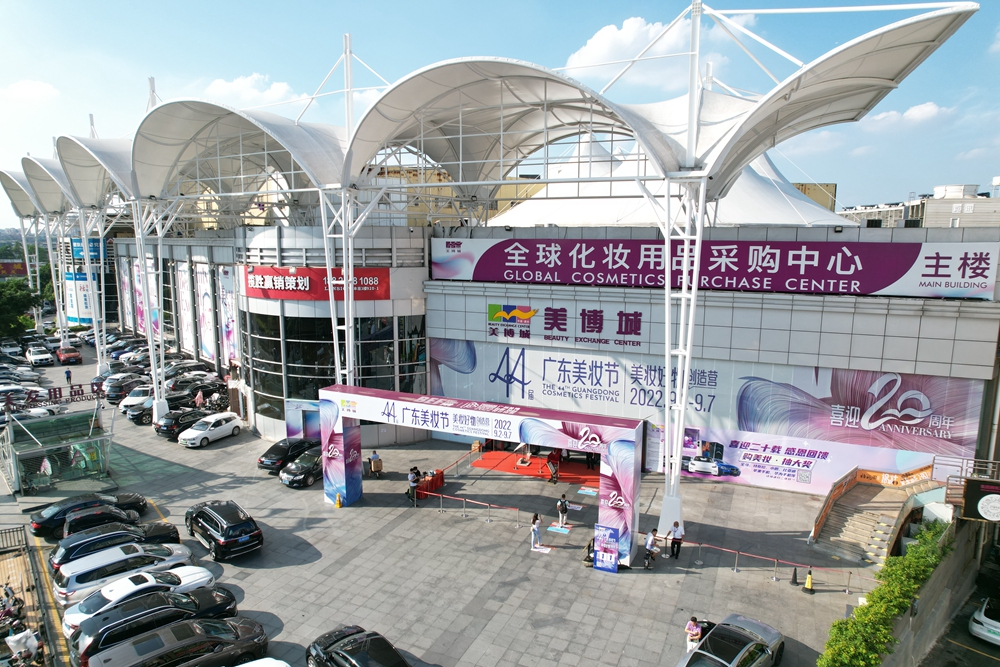
When sourcing beauty products globally, one question comes up again and again: which country is best for manufacturing cosmetics? The answer depends on your goals — pricing, speed, innovation, or compliance — but for many brands, China stands out as a leading base for high-volume and high-flexibility production, with Guangzhou earning the reputation as the “Cosmetics Capital of China.”
China has built a complete cosmetics supply chain ecosystem that integrates R&D, packaging, production, and logistics. Particularly, Guangzhou has become a major cluster for skincare and personal care product manufacturers, offering both scale and specialization.
Guangzhou hosts over 1,800 licensed cosmetic manufacturers, accounting for nearly one-third of the national total, and more than half of China’s registered cosmetics formulations. The city has built specialized industrial parks such as:
These zones bring together research laboratories, OEM/ODM factories, packaging suppliers, and cross-border export service providers, creating an efficient one-stop ecosystem for brand owners.
When selecting a production partner in China, decision-makers should base their choice on measurable evidence and transparent operations rather than marketing claims.
| Evaluation Area | What to Verify | Proof / Evidence |
|---|---|---|
| Production Qualification | Factory license and ISO22716 / GMPC certification | Scan of valid certificate with issuing authority |
| R&D Capability | In-house lab and experienced formulation team | List of R&D staff, formula library examples |
| Quality Assurance | Microbiological and stability testing reports | Test results and QA sample records |
| Packaging Competence | Ability to source, test, and customize packaging | Packaging compatibility report and supplier certifications |
| Production Turnaround | Lead time from sample approval to shipment | Confirmed production schedule |
Q1: Is it legal to produce cosmetics in China for international markets?
Yes, as long as the manufacturer holds valid GMPC or ISO22716 certifications and the products comply with target-market regulations (EU, US, etc.).
Q2: Can small brands work with Chinese factories?
Yes, many Guangzhou-based manufacturers offer low minimum order quantities to support emerging DTC or boutique brands.
Q3: How do I verify a factory isn’t just a reseller?
Request factory photos, business licenses, and physical address verification through map or site inspection. Genuine factories are transparent about their location and operations.
Q4: What tests should be checked before shipment?
Microbial purity, pH balance, stability, and packaging compatibility tests are standard. Ask for reports before mass production approval.
Q5: How fast can I receive finished products?
Production typically takes 30–45 working days after sample confirmation and packaging approval, though timelines vary by complexity and order size.
With strong industrial infrastructure, a vast pool of professional chemists, and full-chain capabilities, China — especially Guangzhou — remains one of the most strategic choices for cosmetic manufacturing. Whether you’re launching a new brand or scaling globally, partnering with an established Guangzhou-based OEM/ODM partner ensures flexibility, speed, and compliance from concept to market.
Request a Quote to explore a custom cosmetic production plan suited to your brand’s goals.
With more than 20 years of experience in OEM/ODM/Private Label Cosmetics, I'd love to share valuable knowledge related to cosmetics & skincare products from a top-tier Chinese supplier's perspective.