See the factory by live video walkthrough
Book an on-site factory visit in Guangzhou
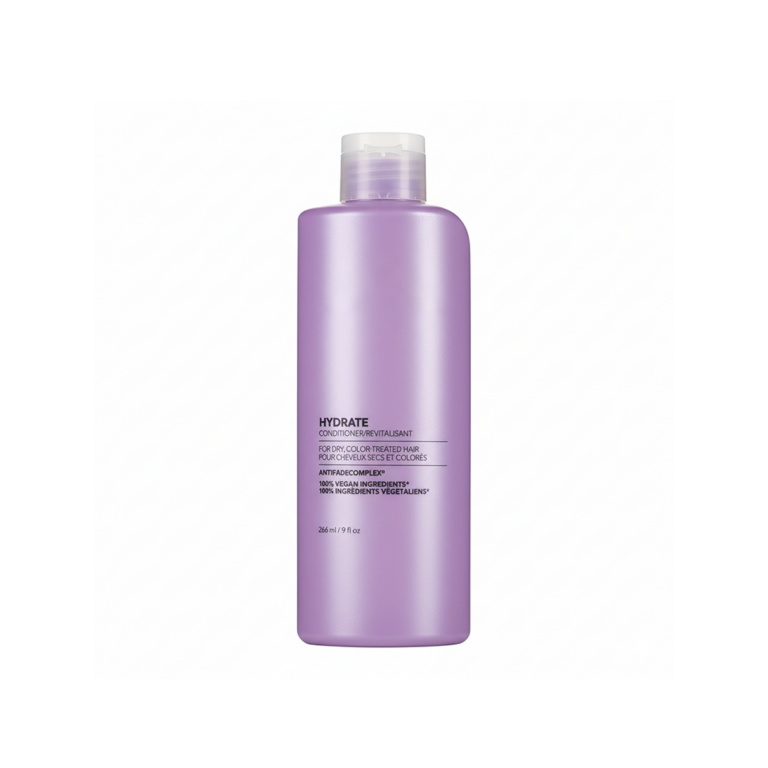
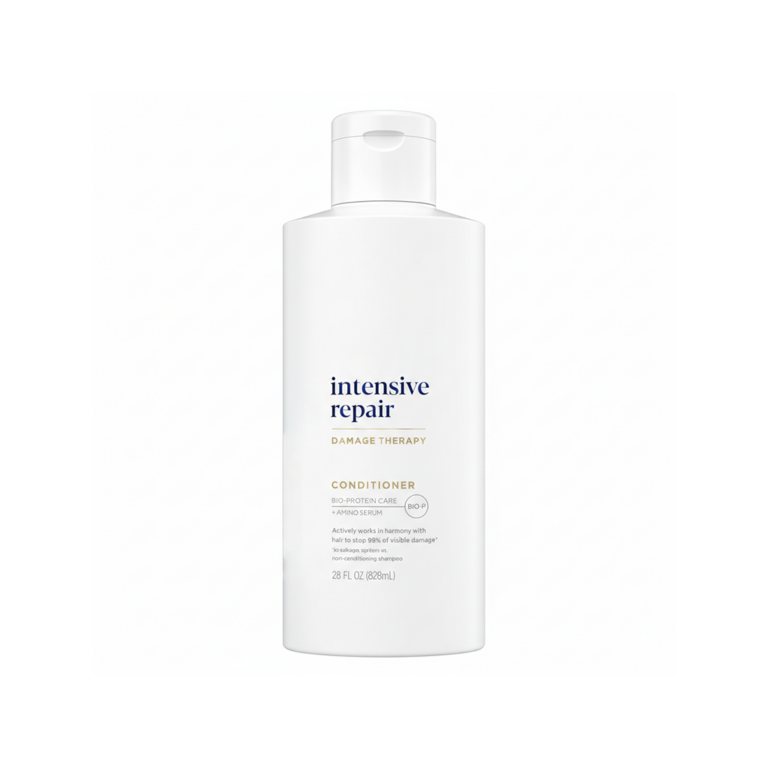
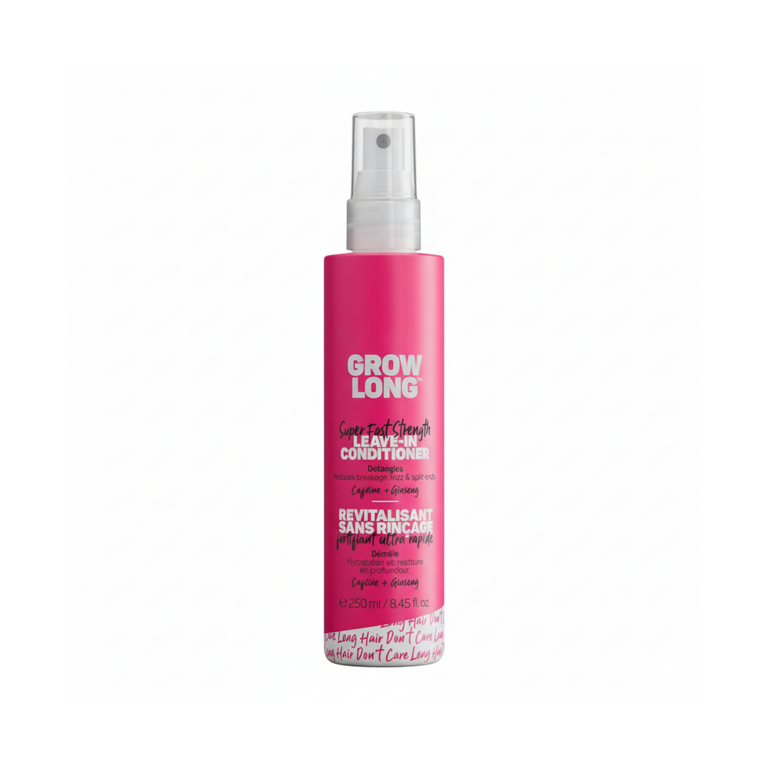
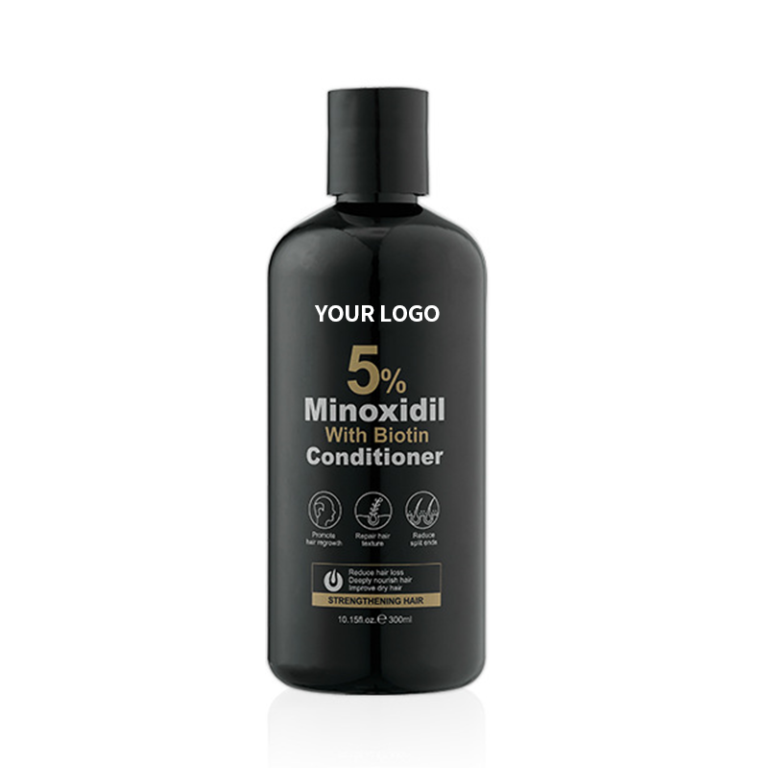
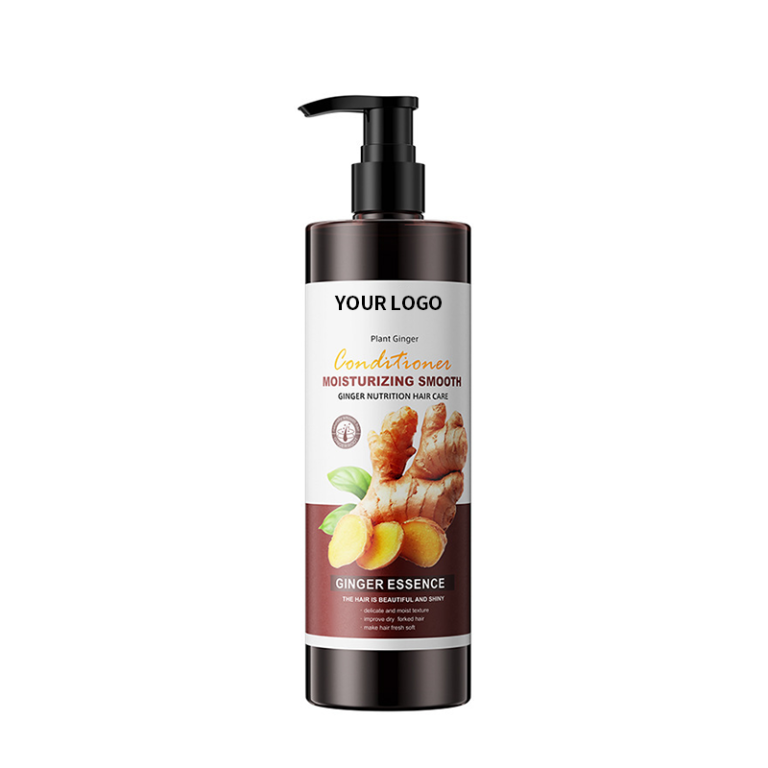
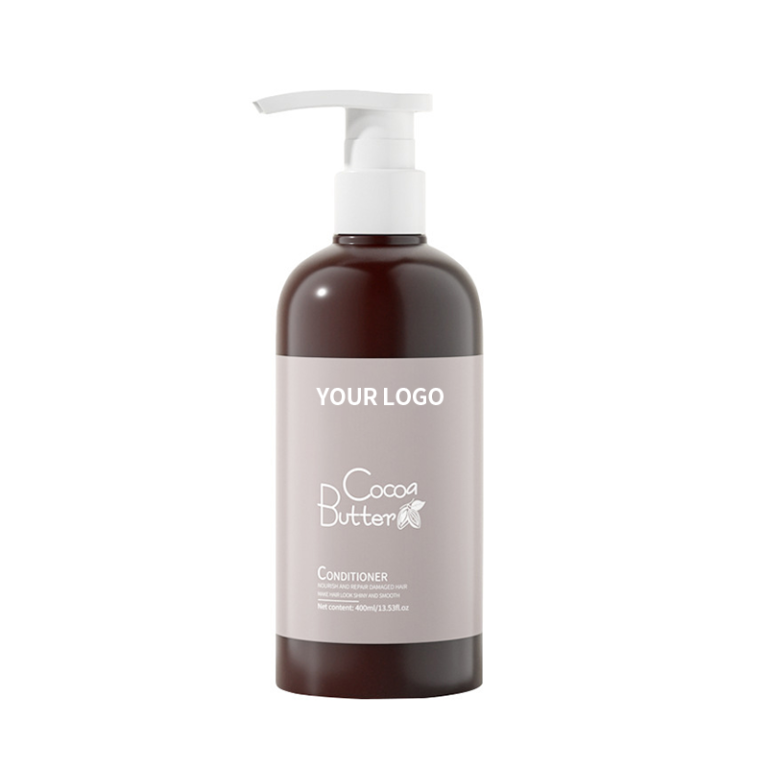
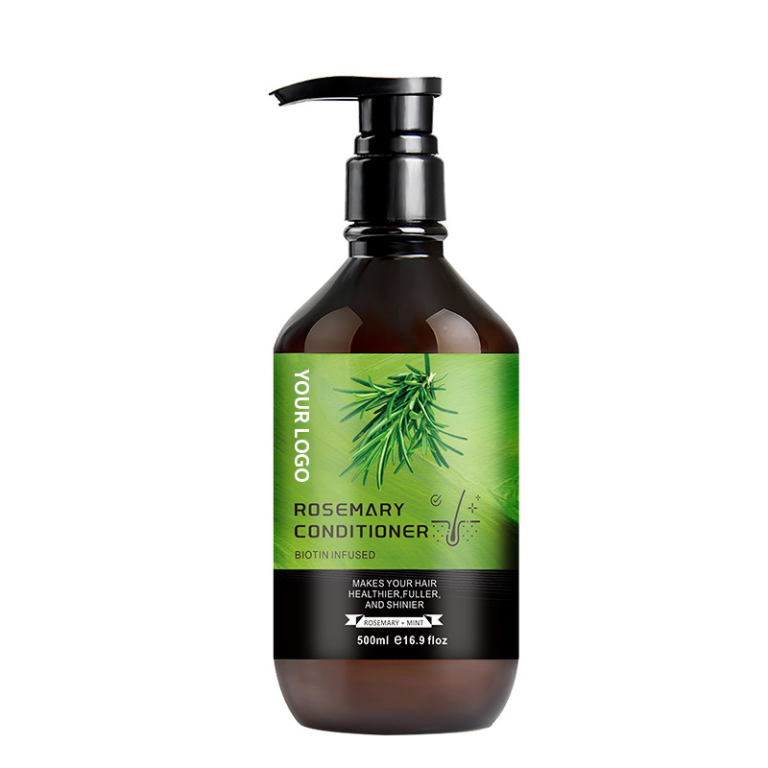
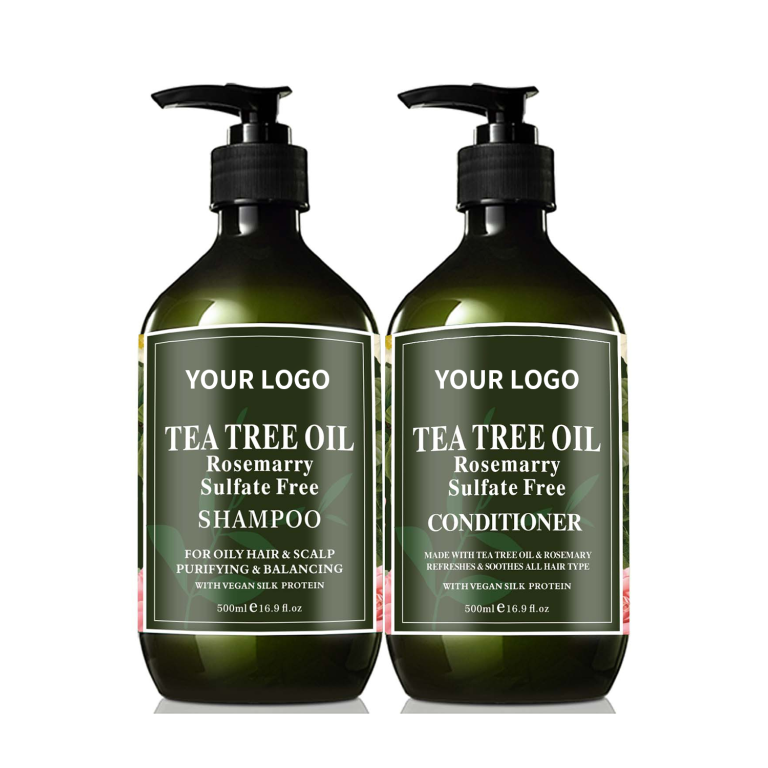
Compare private label hair conditioner options by use case—daily rinse-out, deep conditioner, and leave-in conditioning. Align hair type positioning (dry/damaged, color-treated, curly), slip & detangling feel, and packaging direction (bottle, tube, jar, pump) before sampling.
This category is easier to buy because there are two clear paths: one is high-frequency repeat purchases to drive volume, and the other is premium-priced differentiation with higher margins.
Private-label Hair Conditioner customization in various forms, dosages, and types is what Laeyo Company does best.We offer OEM Hair Conditioner products in a broad range of formulations, packaging, and ingredients.Also, we have a strong packaging supply chain to provide the widest range of packaging customized services for your Hair Conditioner.
Many buyers search by shopping motivations and use-cases. Use this shelf to define your line architecture (hero SKU + variants).
Start with samples that match how you sell. You can choose a single Hair Conditioner product line (for example, a daily repair bestseller for volume), or build a premium Hair Conditioner collection. — we’ll propose 2–3 formula routes per SKU,We ensure that every Private Label Hair Conditioner with unique formulations will stand out.
We make it easy for you to build your brand by providing a one-stop solution to your private label OEM/ODM production.
risk → MOQ/timeline → margin → performance → packaging/listing → supply support.
If you share the specs below, we can recommend the right base formula routes and component plan — then confirm MOQ and lead time with fewer iterations.
| Spec area | What buyers typically specify | Packaging / component notes | Common pitfalls to avoid |
|---|---|---|---|
| Track and channel | DTC, Amazon FBA, or retail shelf placement | Consider e-commerce drop test requirements for bottles | Assuming one packaging fits all channels |
| Target customer and positioning | Dry/damaged hair, color-treated, or volume-seeking | Match packaging aesthetics to audience (luxe vs. clean) | Overlapping positioning with existing products |
| Format and texture | Creamy, lightweight, or thick consistency | Pump vs. squeeze tube affects viscosity choice | Texture mismatch with target hair type |
| Performance and sensory targets | Detangling ease, shine boost, or heat protection | Clarity/opacity impacts visual appeal in clear bottles | Overpromising results without testing |
| Scent or fragrance direction | Floral, fruity, herbal, or unscented | Fragrance oil may interact with certain ingredients | Overpowering scent that lingers too long |
| Variant strategy | Hair type (curly/straight) or concern-specific (repair/color) | Color-coding caps for easy variant identification | Too many SKUs diluting focus |
| Ingredients to include / avoid | Keratin, argan oil, or sulfate-free requirements | Active ingredients may require specific bottle materials | Allergens not flagged early |
| Packaging components and decoration | Pump, flip-top, or tube with custom print | Metallic inks increase cost but elevate premium feel | Decoration rubbing off during shipping |
| Label copy inputs and required warnings | Key claims, directions, and allergen disclosures | Space for barcodes and regulatory text | Copy exceeding label dimensions |
| Quality expectations and acceptance criteria | pH range, viscosity, or stability over time | Batch testing protocols for consistency | Assuming supplier handles all QC without alignment |
MOQ is a structure, not a single number. The fastest path is usually stock components + staged launch (1–2 hero SKUs).
| Scenario | SKUs | Packaging | Typical MOQ (per SKU) | Typical timeline |
|---|---|---|---|---|
| Pilot launch (fastest) | 1–3 | Stock components | 1,000–3,000 units | 4–6 weeks |
| Amazon-ready | 3–6 | Stock + light customization | 2,000–5,000 units | 6–10 weeks |
| Retail rollout | 6+ | Custom packaging + full plan | 5,000+ units | 10–16+ weeks |
Lead time milestones: formula sample → fragrance match (optional) → packaging mockup → PP sample → mass production.
Packaging and transport risk often drive timeline and landed cost. Align format + component direction early to avoid leakage and fulfillment issues.
Common extensions:Damaged Hair Repair,Color-Treated Care,Deep Moisturizing,Leave-In Conditioner,Travel Size,Frizz Control,Scalp Soothing,Volume Boost(Confirm feasibility with your channel requirements.)
As a private-label Hair Conditioner manufacturer, Laeyo has a team of experienced and certified engineers, designers, sales consultants, and a production team who have been engaged in the research and development of different body care products. We also have the ability and equipment to conduct advanced testing, production, and packaging. After all, our goal is to make your ideas a reality.
Each guide answers one question procurement teams typically validate before issuing an RFQ. Use them as quick checklists to scope requirements, compare suppliers consistently, and avoid rework that slows quotes and timelines.
ISO 22716 Cosmetics GMP provides internationally recognized guidelines for Good Manufacturing Practices in cosmetics production. For buyers sourcing shampoo, especially in the hair care category, unde…
In hair care manufacturing, “GMP” (Good Manufacturing Practice) is more than a certificate on the wall — it defines how your shampoo moves from raw material to finished product with documented safety…
When sourcing shampoo from a factory, a thorough audit is your best safeguard against compliance failures, shipment delays, and brand reputation risks. This guide outlines the key red flags to watch f…
When sourcing hair care products such as shampoo, ensuring full traceability is not just a regulatory expectation—it’s your best protection against product quality issues, recalls, and customer compla…
When sourcing or manufacturing shampoo, locking in measurable quality control specifications early prevents costly rework, compliance issues, and customer dissatisfaction. This guide outlines the core…
Validating a shampoo manufacturer goes beyond finding a name and signing a purchase order — it’s a structured check on capability, compliance, and fit for your brand vision. As a brand owner, you need…
Accurate and compliant shampoo labeling is essential for entering and maintaining presence in the US market. Beyond aesthetics, labels must meet FDA and FTC requirements, ensure consumer safety, and p…
Importing shampoo into the EU requires careful attention to product safety, cosmetic regulation compliance, and documentation. For brand owners and sourcing managers, meeting these requirements early…
Faster sampling if you share market + track + format + packaging direction. Most projects iterate 1–2 rounds before final approval.
Copy this list into your message. Or use the RFQ modal to generate an email draft automatically.
What you get back (within 8h): feasible formula routes + packaging notes + MOQ drivers + sampling plan + lead time range.
Concise, procurement-oriented answers. Expand items on mobile for a cleaner reading experience.
Design premium hair care packaging for the EU by balancing high-quality materials with cost-saving strategies like standardized components and advanced finishing, while ensuring EU compliance through documentation and testing support.
The typical lead time from sample approval to shipment for EU private label hair care is 10-16 weeks. This depends on factors like formula complexity, packaging, and compliance testing.
MOQ for EU hair care is set by identifying the highest minimum among formula, packaging, and decoration components. We ensure this aligns with cost targets and EU regulatory requirements.
Formulating a curl-friendly hair routine set for EU buyers involves using hydrating ingredients like shea butter and avoiding sulfates, with compliance to EU cosmetics regulations. We need your specific requirements for accurate MOQ, sampling, and lead time details.
To formulate a non-greasy hair oil, use lightweight emollients like squalane or esters, and add antioxidants like tocopherol. For EU compliance, stability testing and documentation support are essential.
The most common reasons hair care products fail EU stability tests include formulation imbalances, packaging incompatibility, and insufficient microbial or shelf-life validation under EU standards. These failures often arise from overlooking specific EU regulatory requirements during development.
For hair oils, serums, and leave-in products in the EU, packaging compatibility testing includes leak tests, material compatibility checks, and stability assessments to ensure safety and compliance. We support documentation and testing aligned with EU regulations.
Prevent rancidity by using antioxidant formulations and airtight,dark packaging.We ensure compliance through stability testing and support with EU documentation.
For EU hair care, pumps and foaming pumps are often best for premium products due to user experience and compliance ease, while tubes and jars can be cost-effective but require more validation. The choice depends on your product viscosity, target cost, and claims.
IFRA compliance ensures fragrance ingredients meet safety standards set by the International Fragrance Association. EU buyers need IFRA documents for hair care products containing fragrances to comply with EU cosmetic regulation (EC No 1223/2009).
Share target market + channel + track + format + packaging direction. We are here for all your business needs and questions.