See the factory by live video walkthrough
Book an on-site factory visit in Guangzhou
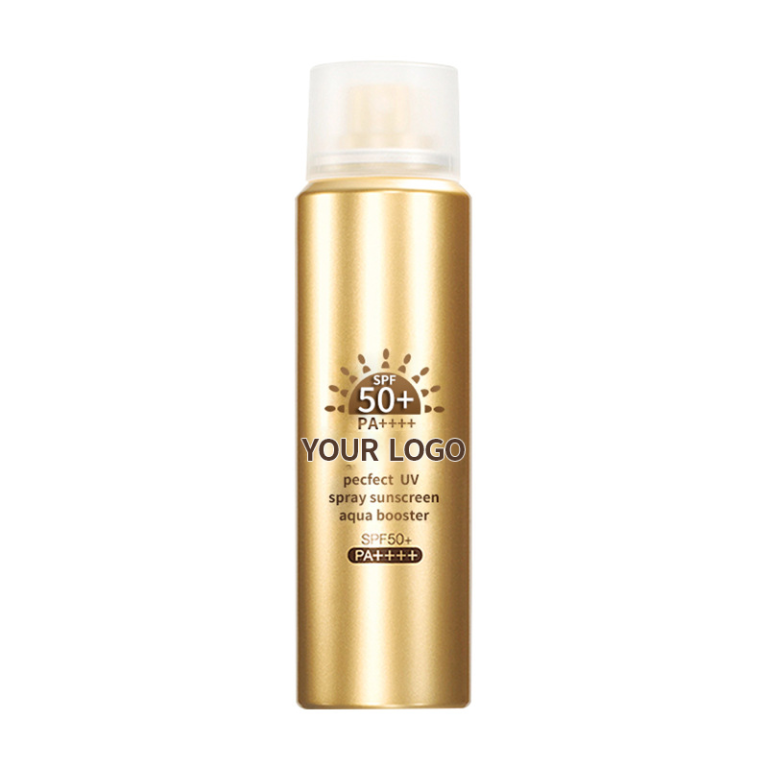
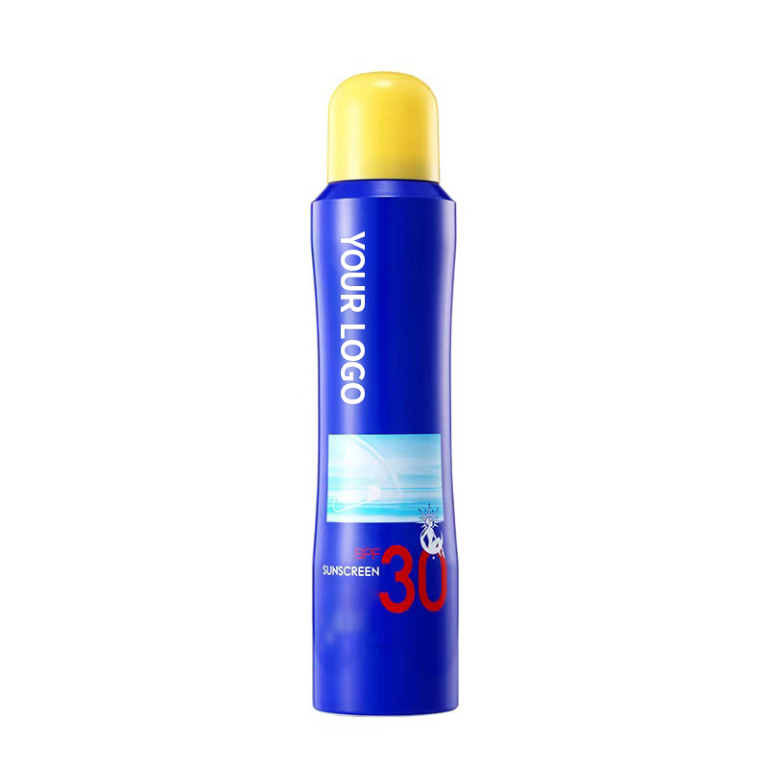
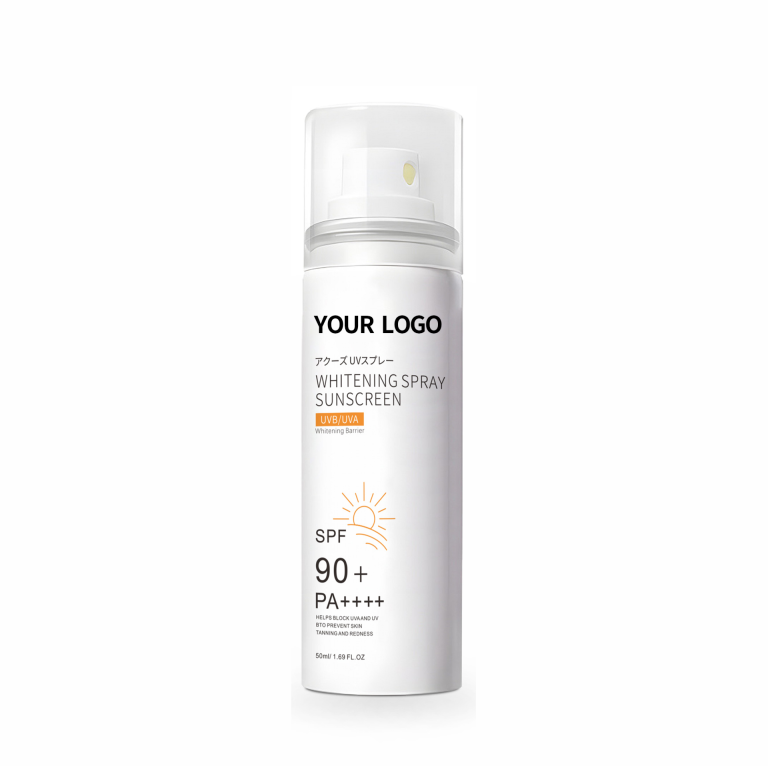
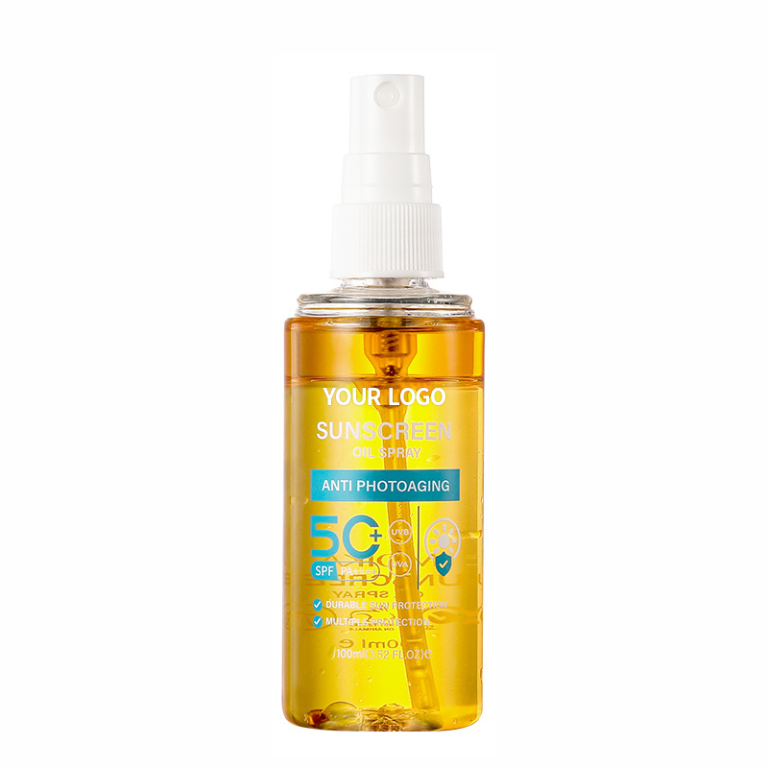
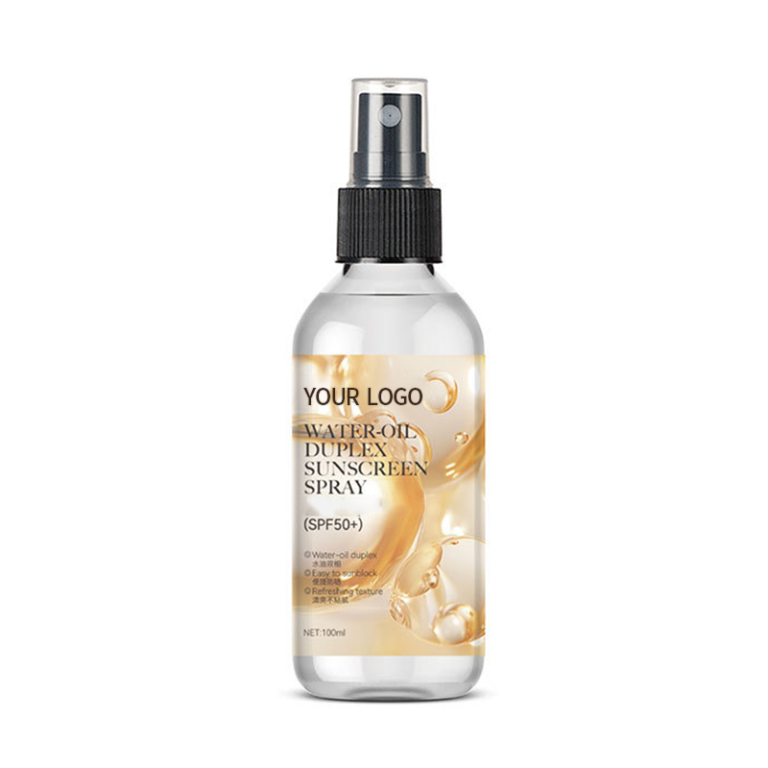
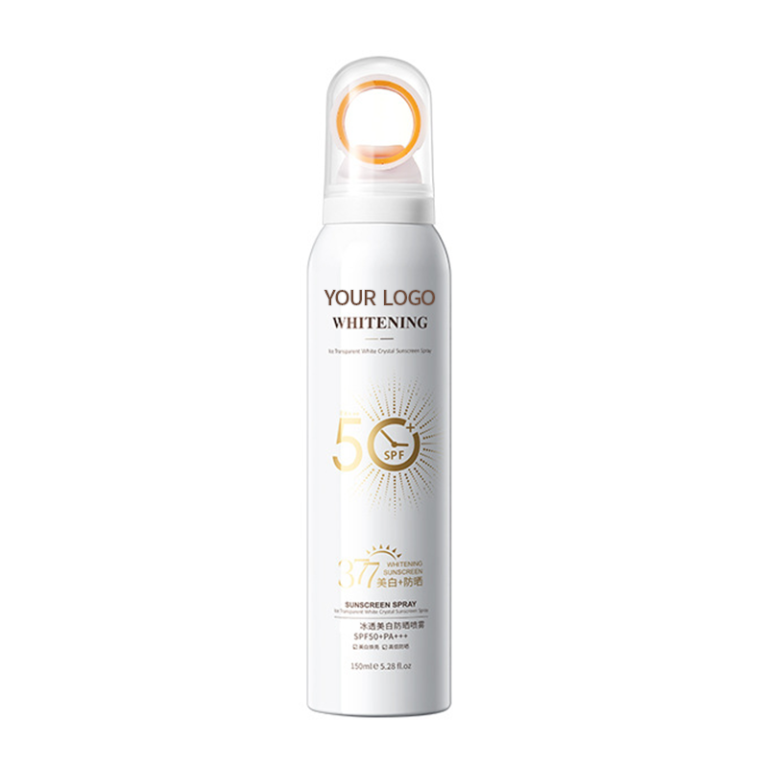
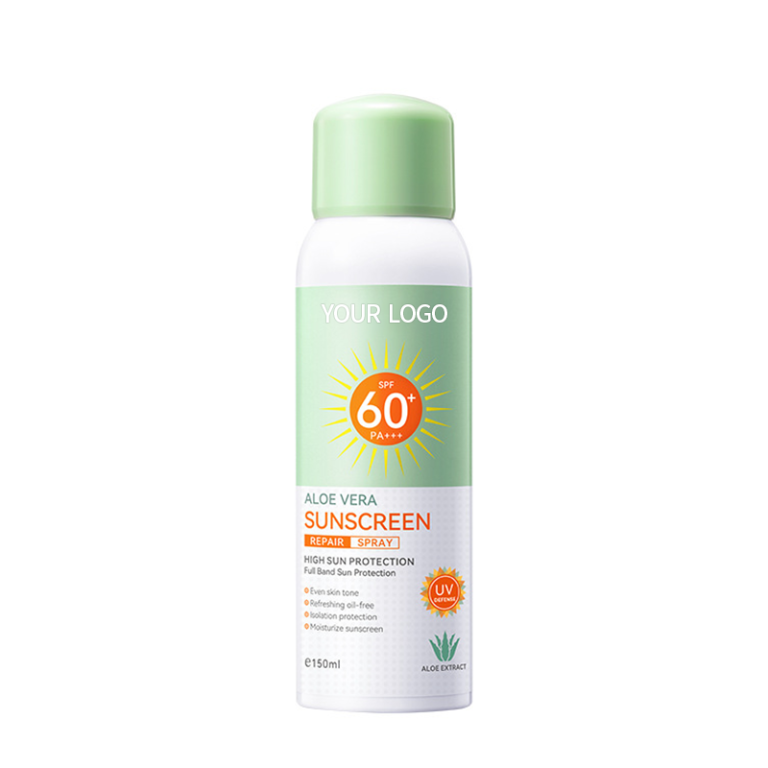
Compare private label sunscreen spray options by spray type and use case—fine mist, continuous spray, and sport/outdoor routes. Align SPF target, water-resistance needs, dry-down feel (non-sticky), and packaging direction (aerosol vs pump spray, travel sizes) before sampling.
This category is easier to buy because there are two clear paths: one is high-frequency repeat purchases to drive volume, and the other is premium-priced differentiation with higher margins.
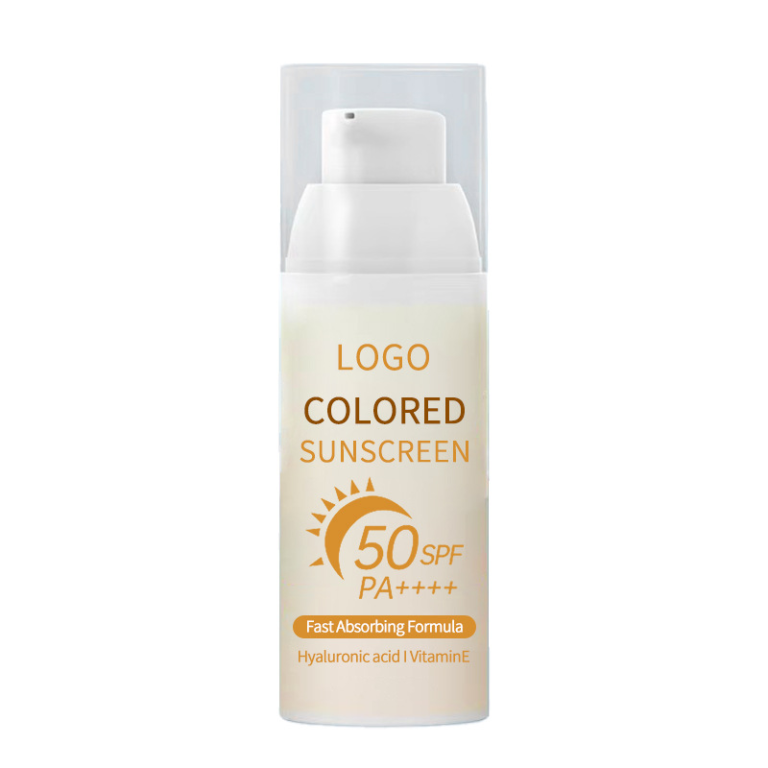
Private-label Sunscreen Spray customization in various forms, dosages, and types is what Laeyo Company does best.We offer OEM Sunscreen Spray products in a broad range of formulations, packaging, and ingredients.Also, we have a strong packaging supply chain to provide the widest range of packaging customized services for your Sunscreen Spray.
Many buyers search by shopping motivations and use-cases. Use this shelf to define your line architecture (hero SKU + variants).
Start with samples that match how you sell. You can choose a single Sunscreen Spray product line (for example, a daily repair bestseller for volume), or build a premium Sunscreen Spray collection. — we’ll propose 2–3 formula routes per SKU,We ensure that every Private Label Sunscreen Spray with unique formulations will stand out.
We make it easy for you to build your brand by providing a one-stop solution to your private label OEM/ODM production.
risk → MOQ/timeline → margin → performance → packaging/listing → supply support.
If you share the specs below, we can recommend the right base formula routes and component plan — then confirm MOQ and lead time with fewer iterations.
| Spec area | What buyers typically specify | Packaging / component notes | Common pitfalls to avoid |
|---|---|---|---|
| Track and channel | DTC, Amazon FBA, or retail shelf placement | Consider spray nozzle visibility for e-commerce thumbnails | Not clarifying if packaging needs to pass drop tests for FBA |
| Target customer and positioning | Active lifestyle, beachgoers, or daily urban use | Ergonomic grip for on-the-go application | Overlooking competitor benchmarks in same price tier |
| Format and texture | Fine mist, continuous spray, or targeted stream | Nozzle type affects particle size and coverage | Not testing spray pattern with different hand angles |
| Performance and sensory targets | Non-greasy, quick-drying, or cooling sensation | Residue may interact with certain cap materials | Assuming SPF claims match actual application thickness |
| Scent or fragrance direction | Unscented, tropical, or fresh citrus notes | Fragrance stability in pressurized containers | Not specifying scent intensity (light vs. strong) |
| Variant strategy | SPF levels (30/50) or skin benefit additions | Color-coding for variant differentiation | Creating too many SKUs without sales data |
| Ingredients to include / avoid | Mineral vs. chemical filters, aloe vera, vitamin E | Some actives may degrade in transparent bottles | Not disclosing allergens for label compliance |
| Packaging components and decoration | Trigger sprayer, aluminum can, or PET bottle | UV-protective inks for outdoor shelf life | Omitting safety seals for tamper evidence |
| Label copy inputs and required warnings | Key marketing claims and FDA sunscreen monograph | Space for barcode and batch numbering | Inaccurate net weight declaration |
| Quality expectations and acceptance criteria | Spray consistency, leak testing, and SPF verification | Include QC samples with each production run | Not defining allowable defect rates upfront |
MOQ is a structure, not a single number. The fastest path is usually stock components + staged launch (1–2 hero SKUs).
| Scenario | SKUs | Packaging | Typical MOQ (per SKU) | Typical timeline |
|---|---|---|---|---|
| Pilot launch (fastest) | 1–3 | Stock components | 1,000–3,000 units | 4–6 weeks |
| Amazon-ready | 3–6 | Stock + light customization | 2,000–5,000 units | 6–10 weeks |
| Retail rollout | 6+ | Custom packaging + full plan | 5,000+ units | 10–16+ weeks |
Lead time milestones: formula sample → fragrance match (optional) → packaging mockup → PP sample → mass production.
Packaging and transport risk often drive timeline and landed cost. Align format + component direction early to avoid leakage and fulfillment issues.
Common extensions:Travel Size,SPF 50+,Water Resistant,Sensitive Skin,Sport Formula,Tinted Spray,Kids Friendly,Refill Packs(Confirm feasibility with your channel requirements.)
As a private-label Sunscreen Spray manufacturer, Laeyo has a team of experienced and certified engineers, designers, sales consultants, and a production team who have been engaged in the research and development of different body care products. We also have the ability and equipment to conduct advanced testing, production, and packaging. After all, our goal is to make your ideas a reality.
Each guide answers one question procurement teams typically validate before issuing an RFQ. Use them as quick checklists to scope requirements, compare suppliers consistently, and avoid rework that slows quotes and timelines.
For US sunscreen products making “Broad Spectrum” SPF claims, FDA regulations require precise labeling elements, supported by test data and compliant formatting. This guide gives sourcing managers and…
Accurate and compliant sunscreen labeling is critical for US market approval, retail acceptance, and consumer safety. Buyers and sourcing managers need to ensure every package meets FDA’s OTC sunscree…
Importing sunscreens into the EU and US requires understanding the distinct regulatory frameworks that govern formulation, labeling, testing, and marketing claims. Misalignment can lead to delays, pro…
When sourcing or relabeling sunscreen for EU markets, brand owners often underestimate how tightly marketing claims are regulated. Even small wording errors can result in product recalls, rejection by…
Maintaining batch traceability is non‑negotiable for sunscreen buyers operating in regulated markets. Each shipment must be backed by complete documentation that enables you to verify ingredient authe…
For sunscreen buyers, third-party testing can be the difference between smooth market entry and costly delays. Testing validates safety, compliance, and performance claims—critical in regulated market…
Minimum order quantities (MOQs) for self-tanning sunscreen products are often misunderstood. As a buyer, understanding how MOQs are set across bottles, pumps, labels, and cartons will help you manage…
When sourcing self tanner samples for the US market, your timeline depends on regulatory readiness, ingredient availability, and the manufacturer’s lab scheduling. For brand owners and sourcing manage…
Faster sampling if you share market + track + format + packaging direction. Most projects iterate 1–2 rounds before final approval.
Copy this list into your message. Or use the RFQ modal to generate an email draft automatically.
What you get back (within 8h): feasible formula routes + packaging notes + MOQ drivers + sampling plan + lead time range.
Concise, procurement-oriented answers. Expand items on mobile for a cleaner reading experience.
Yes, GCC buyers typically require product registration for sunscreens, similar to other regulated cosmetics. Information needed usually includes full formula disclosure, safety test reports (e.g., SPF, stability), and manufacturer certifications.
We recommend accelerated stability testing at high temperatures (e.g., 40°C+), cycle testing for temperature fluctuations, and photostability testing to ensure sunscreen integrity in Middle East heat. Our factory supports documentation and testing protocols.
For simulating GCC heat in sunscreens, use accelerated stability testing at 40°C and 75% relative humidity for 3-6 months. This predicts real-world performance under extreme conditions.
For sunscreen sold in Middle East beach markets, water resistance testing should follow ISO 24444 or equivalent standards to ensure durability under swimming and sweating conditions, with documentation support for compliance.
I cannot provide specific sales mix data as the required information is unavailable. General trends favor high SPF, water-resistant formulas for both face and body in the Middle East.
Reef-safe claims in the Middle East are market-driven, not regulated. We can formulate without harmful ingredients like oxybenzone and provide testing documentation to support your claim.
I cannot provide a specific answer due to missing data in the provided knowledge base. For accurate guidance on sunscreen claims in GCC markets, consult official regulations or share detailed product specifications.
Avoid absolute claims like 'waterproof' or '100% protection' on sunscreen labels for Middle East markets. We assist with GCC-compliant labeling, testing, and documentation to minimize regulatory risks.
The best shipping method for sunscreen to the Middle East is temperature-controlled sea freight with insulated packaging to minimize heat exposure. We support with stability testing and compliance documentation for safe transit.
Common risks include packaging failure from high temperatures and pressure changes during air freight. We recommend robust seals, heat-resistant materials, and pre-shipment testing to mitigate these issues.
Share target market + channel + track + format + packaging direction. We are here for all your business needs and questions.