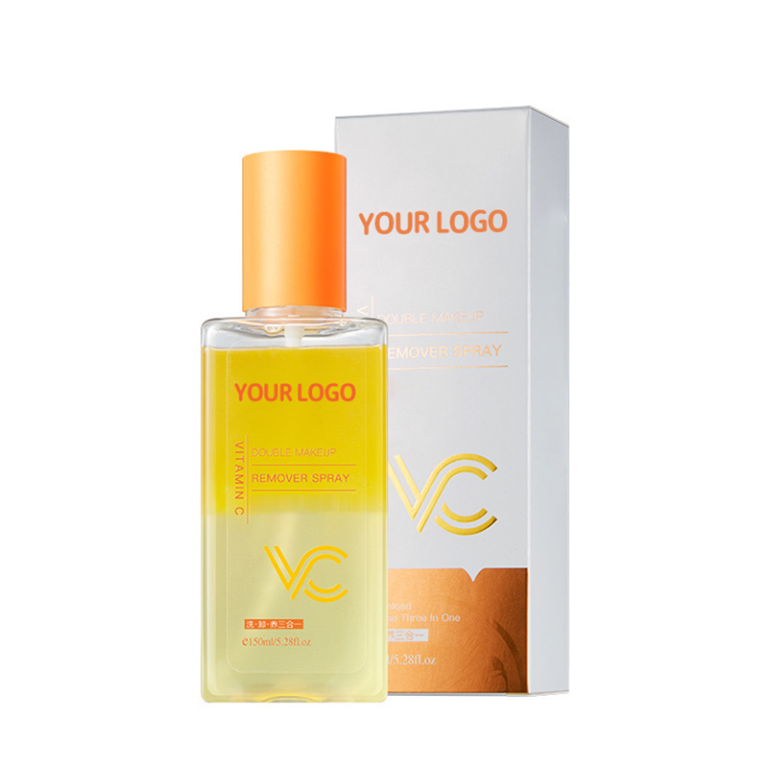
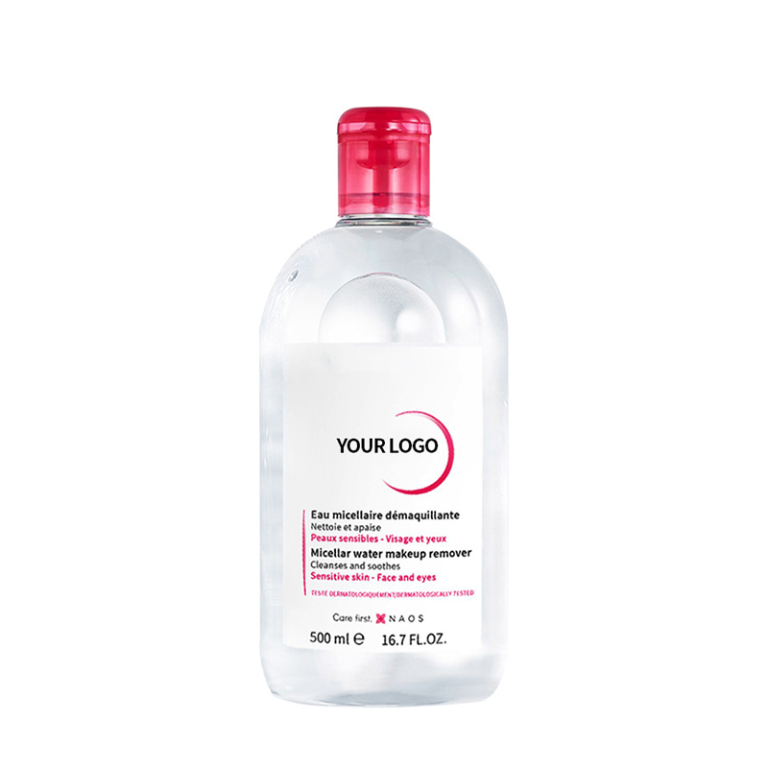
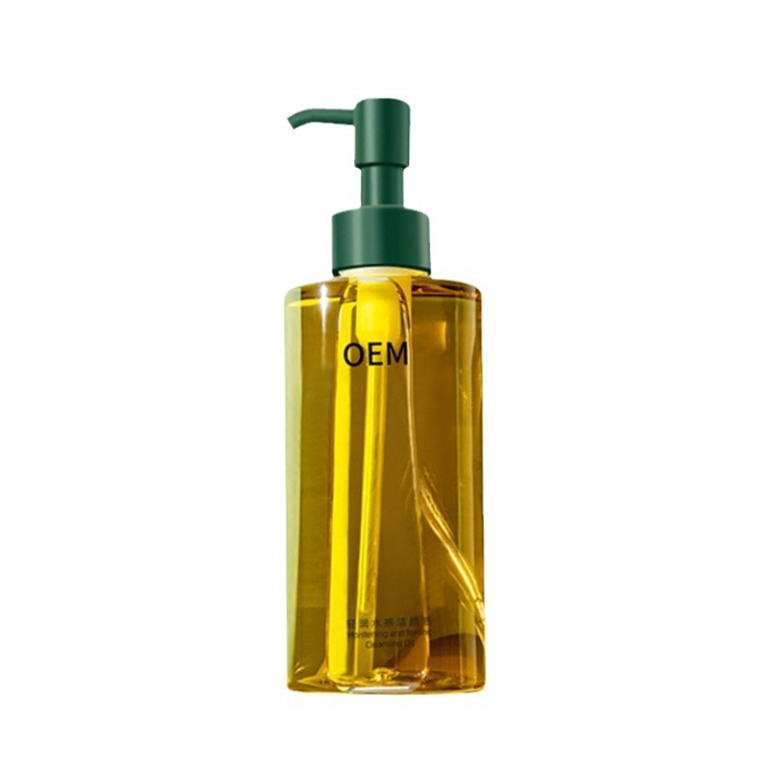
See the factory by live video walkthrough
Book an on-site factory visit in Guangzhou
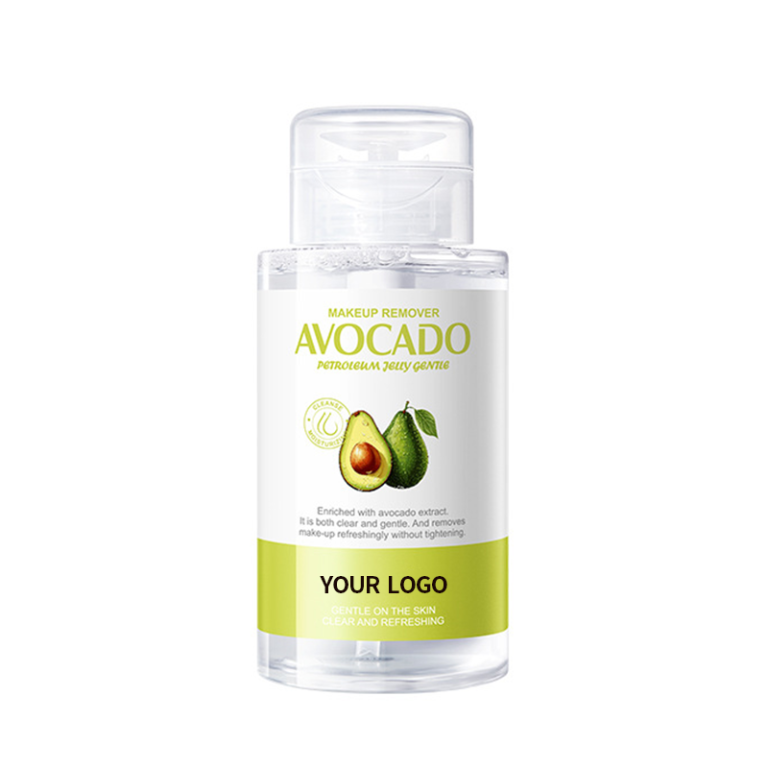
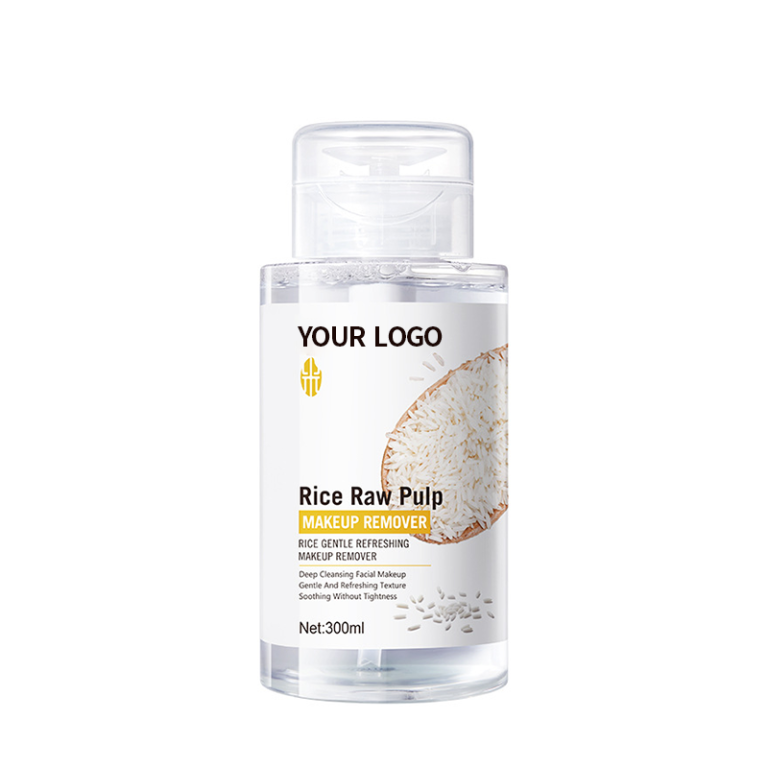
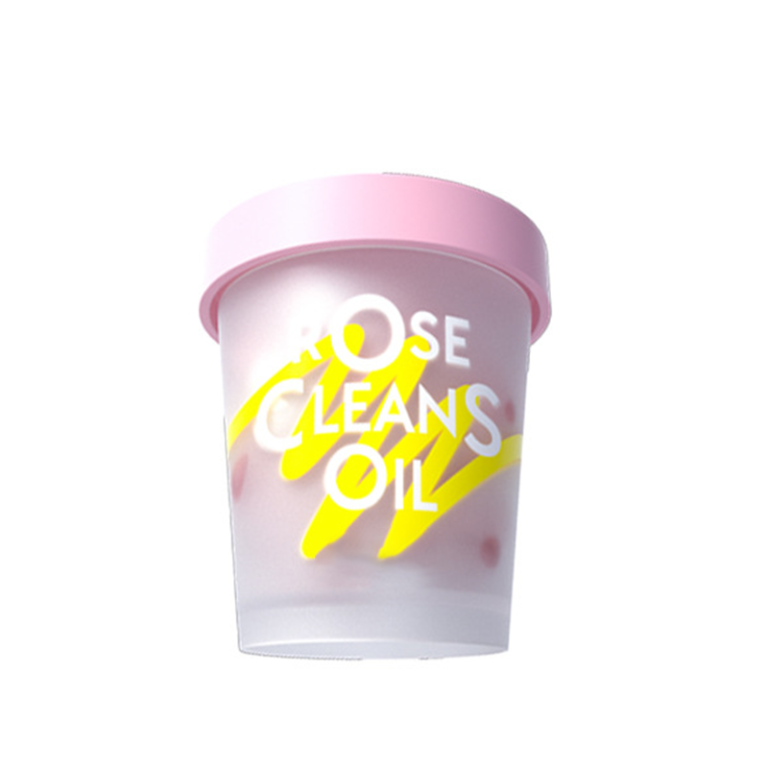
Compare private label makeup remover formats—micellar water, bi-phase remover, cleansing oil, cleansing balm, and wipes. Align waterproof removal strength, after-feel (non-greasy), eye-area mildness, and packaging (bottle, pump, jar, sachets) before sampling.
This category is easier to buy because there are two clear paths: one is high-frequency repeat purchases to drive volume, and the other is premium-priced differentiation with higher margins.
Private-label Makeup Remover customization in various forms, dosages, and types is what Laeyo Company does best.We offer OEM Makeup Remover products in a broad range of formulations, packaging, and ingredients.Also, we have a strong packaging supply chain to provide the widest range of packaging customized services for your Makeup Remover.
Many buyers search by shopping motivations and use-cases. Use this shelf to define your line architecture (hero SKU + variants).
Start with samples that match how you sell. You can choose a single Makeup Remover product line (for example, a daily repair bestseller for volume), or build a premium Makeup Remover collection. — we’ll propose 2–3 formula routes per SKU,We ensure that every Private Label Makeup Remover with unique formulations will stand out.
We make it easy for you to build your brand by providing a one-stop solution to your private label OEM/ODM production.
risk → MOQ/timeline → margin → performance → packaging/listing → supply support.
If you share the specs below, we can recommend the right base formula routes and component plan — then confirm MOQ and lead time with fewer iterations.
| Spec area | What buyers typically specify | Packaging / component notes | Common pitfalls to avoid |
|---|---|---|---|
| Track and channel | DTC, Amazon FBA, or retail (specify if ULTA/Sephora etc.) | Ensure packaging meets drop-test requirements for e-commerce | Not clarifying if packaging needs to be shelf-ready for retail |
| Target customer and positioning | Luxury, clean beauty, or mass market positioning | Match packaging aesthetics to brand tier (e.g., matte vs. glossy) | Overcomplicating design for mass-market price points |
| Format and texture | Balms, oils, micellar waters, or hybrid formats | Pump vs. dropper vs. jar based on viscosity | Choosing incompatible packaging for formula viscosity |
| Performance and sensory targets | One-step removal, no residue, or specific skin feel | Test with common makeup types (waterproof, longwear) | Not testing with actual makeup products used by customers |
| Scent or fragrance direction | Unscented, natural essence, or signature fragrance | Ensure scent stability in chosen packaging material | Overpowering fragrance in small-format packaging |
| Variant strategy | Single SKU or variants (e.g., sensitive skin version) | Color-code caps/labels for easy variant identification | Creating unnecessary variants that dilute inventory |
| Ingredients to include / avoid | Clean beauty standards, vegan, or specific actives | Verify ingredient compatibility with packaging materials | Not checking for ingredient-package interactions |
| Packaging components and decoration | Pumps, caps, outer boxes, or sustainable materials | Specify finish (matte/gloss) and decoration methods | Last-minute decoration changes that delay production |
| Label copy inputs and required warnings | Brand story, key claims, and mandatory warnings | Ensure space for barcodes and regulatory text | Overcrowding labels with non-essential text |
| Quality expectations and acceptance criteria | Leak testing, texture consistency, or color standards | Define acceptable tolerances for fill levels | Unclear acceptance criteria leading to rejections |
MOQ is a structure, not a single number. The fastest path is usually stock components + staged launch (1–2 hero SKUs).
| Scenario | SKUs | Packaging | Typical MOQ (per SKU) | Typical timeline |
|---|---|---|---|---|
| Pilot launch (fastest) | 1–3 | Stock components | 1,000–3,000 units | 4–6 weeks |
| Amazon-ready | 3–6 | Stock + light customization | 2,000–5,000 units | 6–10 weeks |
| Retail rollout | 6+ | Custom packaging + full plan | 5,000+ units | 10–16+ weeks |
Lead time milestones: formula sample → fragrance match (optional) → packaging mockup → PP sample → mass production.
Packaging and transport risk often drive timeline and landed cost. Align format + component direction early to avoid leakage and fulfillment issues.
Common extensions:Sensitive Skin,Oil-Free,Micellar Water,Travel Size,Balm Cleanser,Dual Phase,Gentle Formula,Makeup Remover Wipes(Confirm feasibility with your channel requirements.)
As a private-label Makeup Remover manufacturer, Laeyo has a team of experienced and certified engineers, designers, sales consultants, and a production team who have been engaged in the research and development of different body care products. We also have the ability and equipment to conduct advanced testing, production, and packaging. After all, our goal is to make your ideas a reality.
Each guide answers one question procurement teams typically validate before issuing an RFQ. Use them as quick checklists to scope requirements, compare suppliers consistently, and avoid rework that slows quotes and timelines.
The U.S. Modernization of Cosmetics Regulation Act of 2022 (MoCRA) redefined how skincare products are regulated under the FDA. For brand owners, founders, and sourcing managers, facility registration…
Entering the EU skincare market requires not just great formulations but airtight regulatory documentation. Regulation (EC) No. 1223/2009 sets clear expectations to keep consumers safe and brands lega…
Any skincare product placed on the EU market must comply with Regulation (EU) No 655/2013, which sets out common criteria for cosmetic claims. For sourcing managers and brand owners, this isn’t just a…
When sourcing skincare formulations, requesting an accurate Safety Data Sheet (SDS or MSDS) is not optional—it’s essential for regulatory compliance, logistics safety, and product liability control. U…
When sourcing skincare products, a Certificate of Analysis (COA) is one of the most critical documents that validates safety, quality, and regulatory compliance. Yet, many brand owners receive incompl…
Stability testing is a critical step in skincare product development and sourcing, ensuring formulations remain safe, effective, and appealing throughout their intended shelf life. For buyers and sour…
Understanding minimum order quantities (MOQ) in private label skincare is essential for controlling costs, aligning production schedules, and avoiding supply chain surprises. The MOQ might be driven b…
Managing your skincare production timeline is critical for avoiding launch delays and costly rework. Whether you’re developing a new private-label serum or refreshing your mask packaging, understandin…
Faster sampling if you share market + track + format + packaging direction. Most projects iterate 1–2 rounds before final approval.
Copy this list into your message. Or use the RFQ modal to generate an email draft automatically.
What you get back (within 8h): feasible formula routes + packaging notes + MOQ drivers + sampling plan + lead time range.
Concise, procurement-oriented answers. Expand items on mobile for a cleaner reading experience.
We control sting and irritation in AHA/BHA products for the UK market through precise pH buffering, ingredient synergy, and rigorous safety testing, ensuring compliance and stability from formulation to production.
We formulate oil-control moisturizers for the UK using lightweight ingredients like niacinamide and silicone gels for a non-greasy feel, with MOQs starting at 3000 units and sampling in 2-3 weeks.
Yes, UK skincare products require a Cosmetic Product Safety Report (CPSR) under UK regulations. It includes a safety assessment, ingredient data, and labeling compliance documentation.
No, skincare products sold in the UK cannot legally claim acne treatment or eczema relief without proper drug licensing from the MHRA. As an OEM, we formulate compliant products and support testing/documentation, but regulatory approval is your responsibility.
Yes, private label skincare sold in the UK legally requires a UK Responsible Person (UKRP). This appointed person or company acts as your legal representative to ensure product safety and compliance with UK regulations.
The UK SCPN is a mandatory pre-market notification for cosmetics in Great Britain. For private label skincare, the brand owner or responsible person submits it, with OEM support for documentation and testing.
A genuine COA for UK skincare must include product specifications (e.g., pH, viscosity), microbial limits (total plate count, pathogens), and heavy metal testing (lead, arsenic, mercury, cadmium), ensuring compliance with UK regulations like UKCA.
We design anti-aging routine sets for UK buyers by integrating compliant formulations, effective actives like peptides and retinoids, and broad-spectrum SPF. Our OEM/ODM process ensures tailored sampling, testing, and packaging to meet UK regulations.
We formulate UK-compliant barrier repair creams for sensitive skin by selecting gentle, hypoallergenic ingredients like ceramides and prebiotics, and ensuring adherence to UKCA regulations. Our process includes custom R&D, stability testing, and documentation support for a smooth market entry.
I cannot answer this question because the Data provided is empty, and I must use its content as knowledge. Please provide data in the Data section for a proper response.
Share target market + channel + track + format + packaging direction. We are here for all your business needs and questions.