What is the difference between cosmetic claims and drug claims for baby care in the U.S.?
Cosmetic claims focus on cleansing, beautifying, or altering appearance (e.g., moisturizing), while drug claims involve treating, preventing, or diagnosing diseases (e.g., diaper rash relief). In the U.S., drug claims trigger FDA drug regulations, requiring pre-market approval or OTC monographs.
What stability testing is recommended for baby lotion, diaper cream, and baby shampoo?
For US baby care products like lotion, diaper cream, and shampoo, we recommend stability testing covering physical, chemical, and microbial aspects to ensure safety and shelf-life compliance. We provide full testing support and documentation aligned with FDA guidelines and industry standards.
How do you choose mineral vs chemical sunscreen for baby care, and what are the tradeoffs?
For US baby care, choose mineral sunscreen for gentler, physical protection with less irritation, or chemical for higher SPF and lighter feel. Consider safety, efficacy, and consumer preferences in your decision.
How do you formulate a pregnancy stretch mark oil or cream with good sensorial feel?
We formulate pregnancy stretch mark oils and creams using skin-safe ingredients like shea butter and hyaluronic acid, optimized for smooth, non-greasy absorption. Our process includes stability testing and supports FDA compliance documentation for the US market.
What are the best-selling private label mom and baby care products in the U.S. right now?
Current top-selling private label mom and baby care products in the U.S. include hypoallergenic baby lotions, zinc oxide diaper creams, and organic nipple balms, driven by demand for safe, natural options.
What are the key labeling requirements for baby care products sold on Amazon FBA?
Amazon FBA requires baby care products to meet FDA labeling rules, including ingredient lists, warnings, and net quantity. As your OEM, we ensure labels comply during production and support with documentation.
How do you design baby care packaging that is parent-friendly and travel-friendly?
We design baby care packaging with parent-friendly features like easy-open caps and travel-friendly aspects such as leak-proof seals, ensuring compliance with US regulations. Our process includes safety testing and documentation support.
What is the difference between diaper cream, ointment, balm, and paste for baby care?
I cannot provide specific differences between diaper cream, ointment, balm, and paste based on the provided data. Please share more details for accurate guidance from our OEM perspective.
What ingredients are commonly avoided in baby care, and what are safer alternatives?
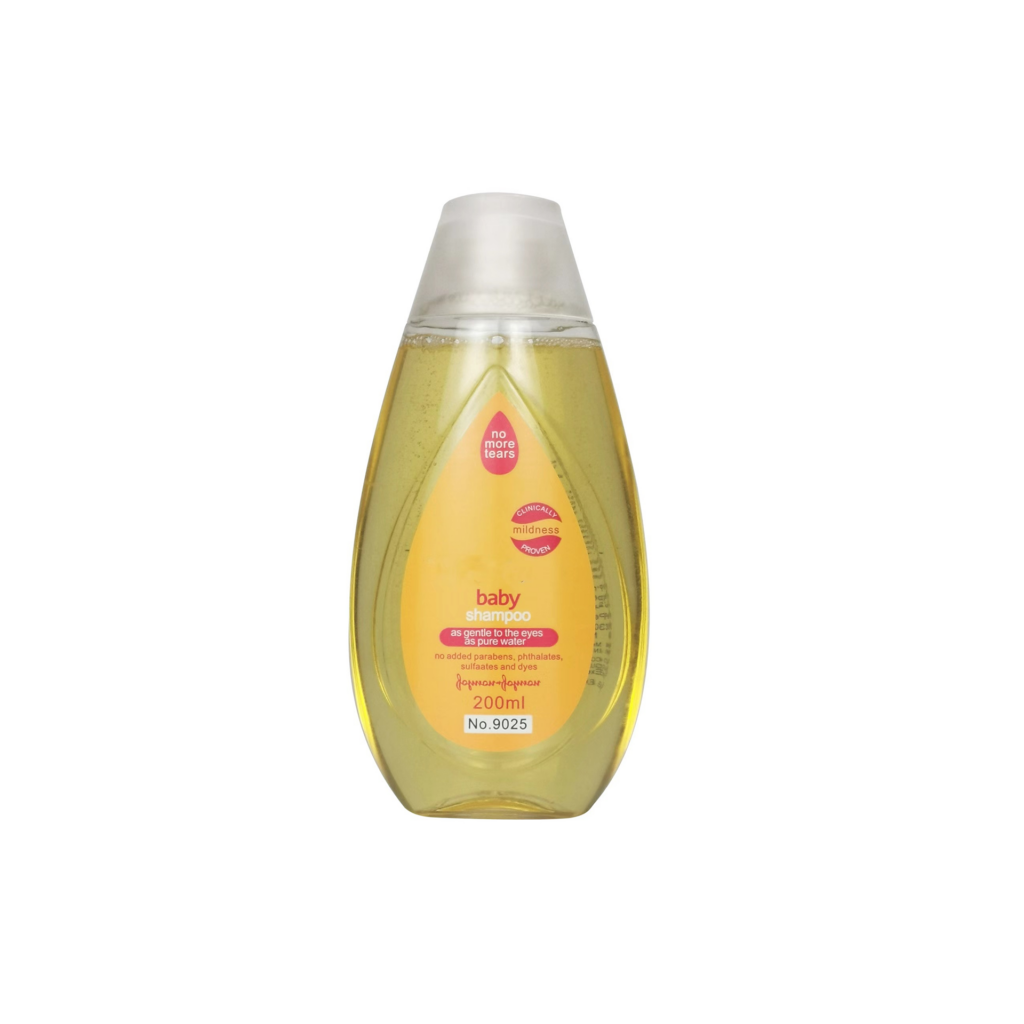
Commonly avoided ingredients in US baby care are parabens, sulfates, phthalates, and synthetic fragrances due to skin irritation risks. Safer alternatives include plant-based preservatives like phenoxyethanol, gentle surfactants such as coco-glucoside, and natural oils or extracts for mild formulations.
How do you formulate a diaper rash cream with strong barrier protection and good spreadability?
We formulate high-barrier, spreadable diaper rash creams using a w/o emulsion base with targeted levels of zinc oxide (15-25%) and skin-soothing actives, optimized through lab rheology and spreadability testing.