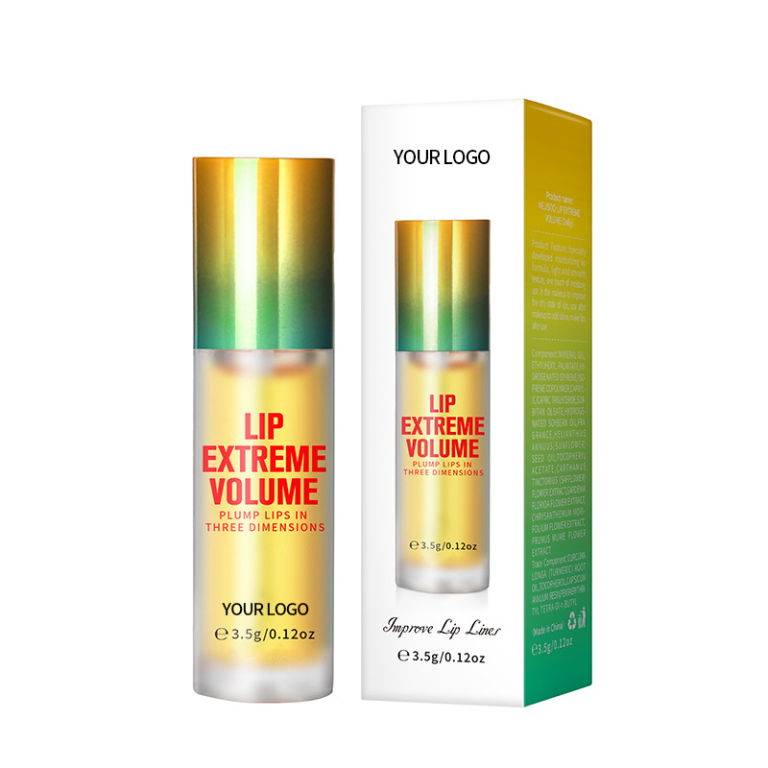
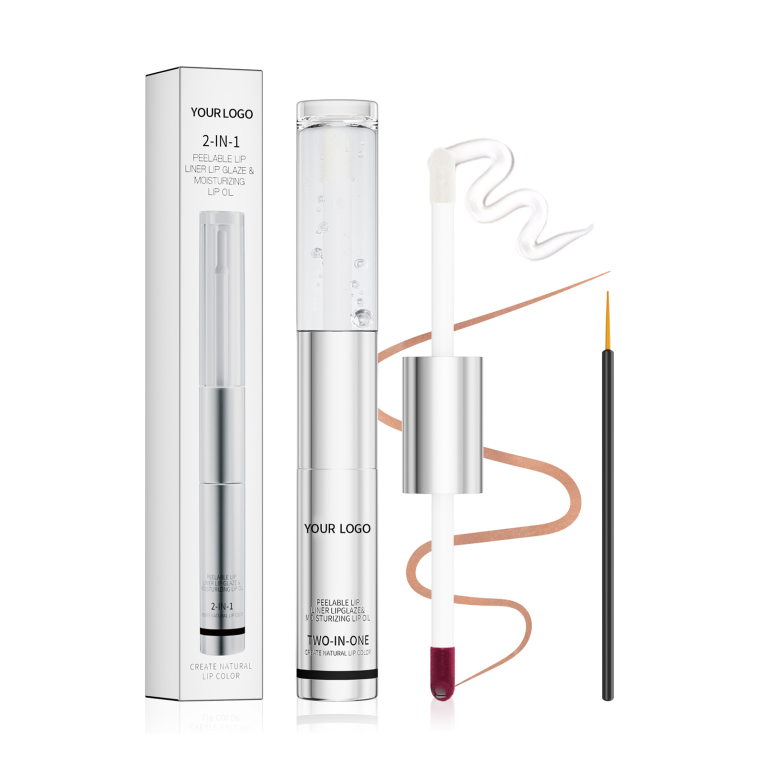
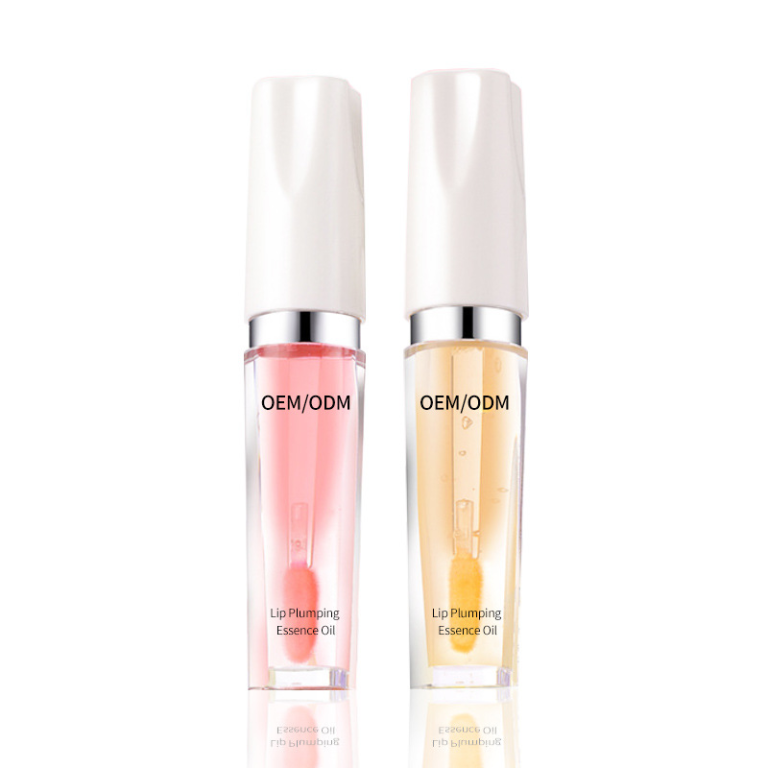
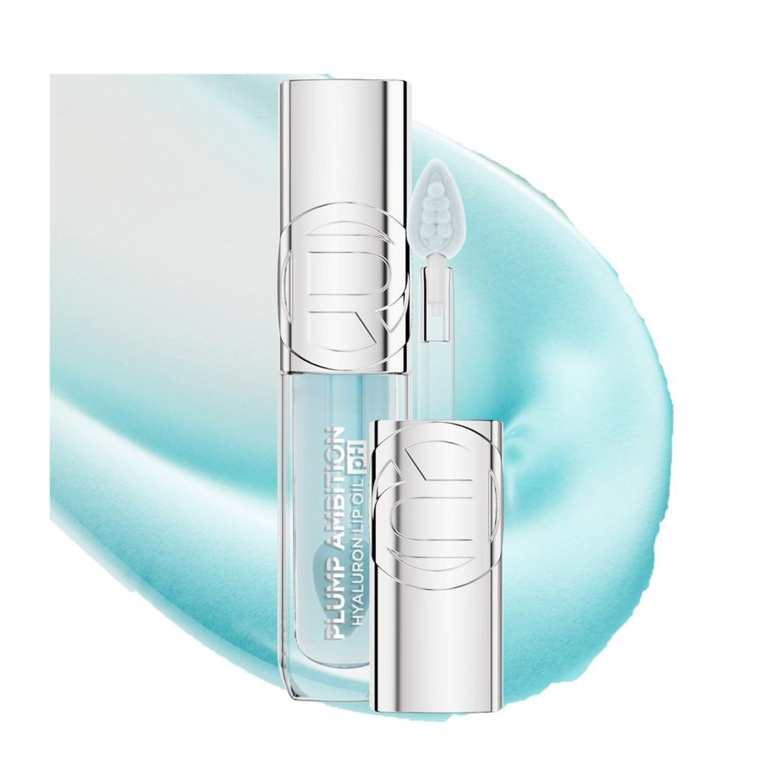
See the factory by live video walkthrough
Book an on-site factory visit in Guangzhou
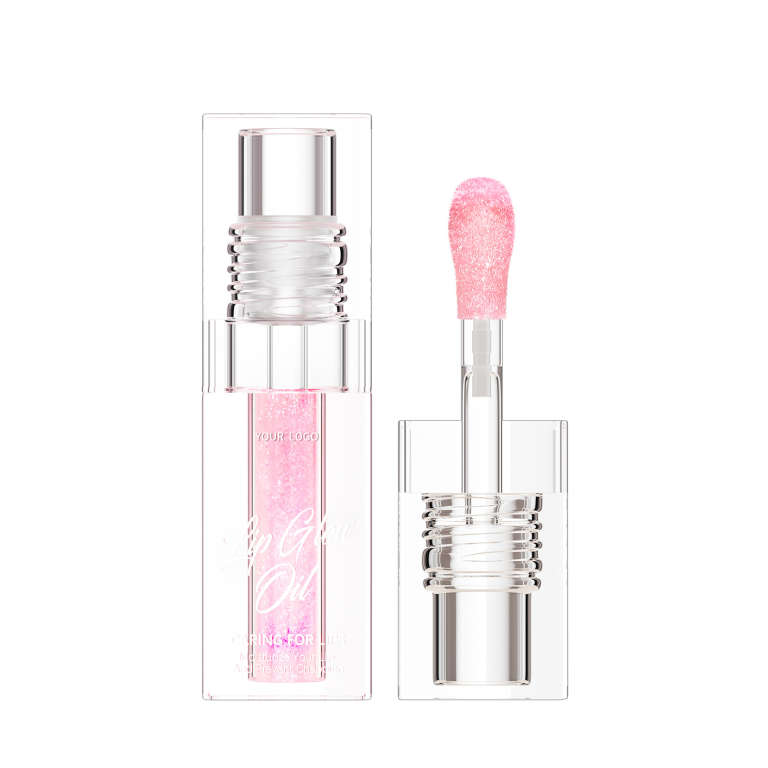
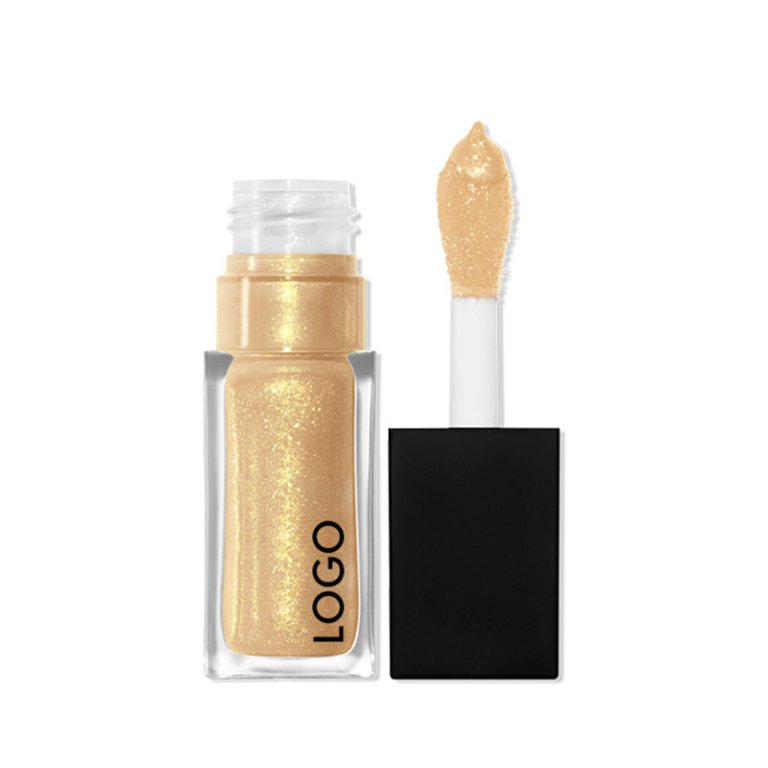
Compare private label lip oil options by finish—high-shine comfort, non-sticky daily wear, and tinted oil routes. Align cushion feel, flavor/scent direction, and packaging (doe-foot, click pen, roller) before sampling.
This category is easier to buy because there are two clear paths: one is high-frequency repeat purchases to drive volume, and the other is premium-priced differentiation with higher margins.
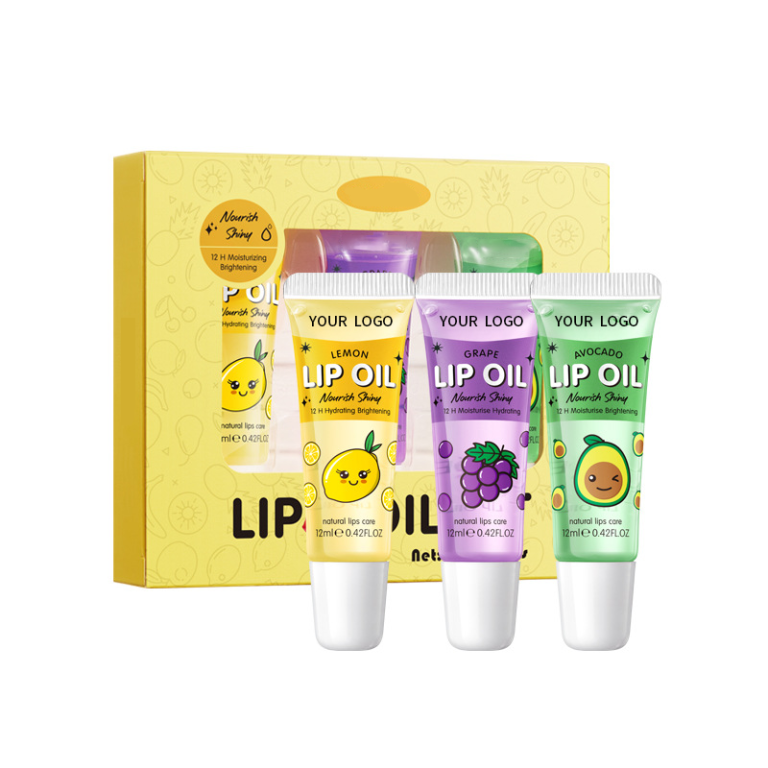
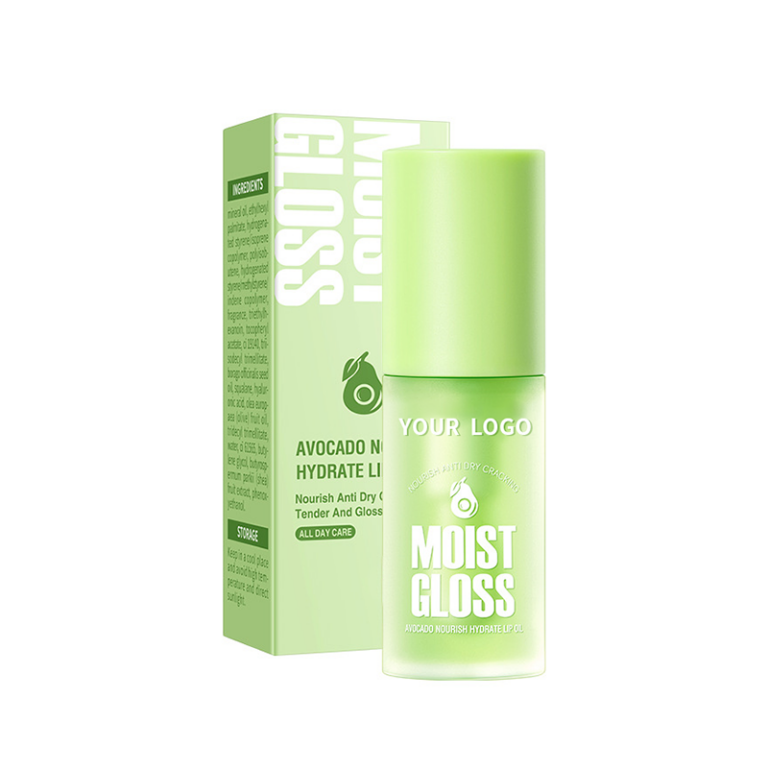
Private-label Lip Oil customization in various forms, dosages, and types is what Laeyo Company does best.We offer OEM Lip Oil products in a broad range of formulations, packaging, and ingredients.Also, we have a strong packaging supply chain to provide the widest range of packaging customized services for your Lip Oil.
Many buyers search by shopping motivations and use-cases. Use this shelf to define your line architecture (hero SKU + variants).
Start with samples that match how you sell. You can choose a single Lip Oil product line (for example, a daily repair bestseller for volume), or build a premium Lip Oil collection. — we’ll propose 2–3 formula routes per SKU,We ensure that every Private Label Lip Oil with unique formulations will stand out.
We make it easy for you to build your brand by providing a one-stop solution to your private label OEM/ODM production.
risk → MOQ/timeline → margin → performance → packaging/listing → supply support.
If you share the specs below, we can recommend the right base formula routes and component plan — then confirm MOQ and lead time with fewer iterations.
| Spec area | What buyers typically specify | Packaging / component notes | Common pitfalls to avoid |
|---|---|---|---|
| Track and channel | DTC, Amazon FBA, or retail (Ulta/Sephora) | Ensure packaging meets drop test requirements for e-commerce | Not specifying channel early can delay packaging validation |
| Target customer and positioning | Luxury, clean beauty, or mass-market appeal | Match component finishes to brand tier (e.g., matte vs. metallic) | Over-positioning for a niche that doesn't match actual audience |
| Format and texture | Glossy finish, non-sticky, with conditioning feel | Doe-foot applicator vs. brush vs. rollerball options | Texture too thick for easy application or too thin for payoff |
| Performance and sensory targets | Instant plumping effect, 8h+ wear, no white residue | Consider component materials that won't degrade formula | Overpromising wear time without proper testing |
| Scent or fragrance direction | Unscented, fruity, vanilla, or minty cool | Fragrance stability testing for components like plasticizers | Not testing scent longevity with packaging materials |
| Shade or variant strategy | Clear, tinted (sheer to opaque), or shimmer options | Color-matching caps/labels to shade families | Launching too many shades without inventory planning |
| Ingredients to include / avoid | Hyaluronic acid, plant oils; avoid parabens/gluten | Ensure ingredient compatibility with component materials | Not disclosing allergens early for label compliance |
| Packaging components and decoration | Glass bottle with metallic cap, screen-printed logo | Child-resistant closures for certain markets | Overlooking decoration durability in transit |
| Label copy inputs and required warnings | Brand name, net weight, country of origin | Space allocation for FDA-mandated warning statements | Last-minute copy changes causing artwork delays |
| Quality expectations and acceptance criteria | No separation, consistent viscosity, batch-to-batch color | Component defect tolerance (e.g., cap alignment) | Not defining acceptable batch variation upfront |
MOQ is a structure, not a single number. The fastest path is usually stock components + staged launch (1–2 hero SKUs).
| Scenario | SKUs | Packaging | Typical MOQ (per SKU) | Typical timeline |
|---|---|---|---|---|
| Pilot launch (fastest) | 1–3 | Stock components | 1,000–3,000 units | 4–6 weeks |
| Amazon-ready | 3–6 | Stock + light customization | 2,000–5,000 units | 6–10 weeks |
| Retail rollout | 6+ | Custom packaging + full plan | 5,000+ units | 10–16+ weeks |
Lead time milestones: formula sample → fragrance match (optional) → packaging mockup → PP sample → mass production.
Packaging and transport risk often drive timeline and landed cost. Align format + component direction early to avoid leakage and fulfillment issues.
Common extensions:Clear Gloss,Tinted Shine,Plumping Formula,Hydrating Care,Travel Size,Glossy Finish,Shimmer Effect,Lip Treatment(Confirm feasibility with your channel requirements.)
As a private-label Lip Oil manufacturer, Laeyo has a team of experienced and certified engineers, designers, sales consultants, and a production team who have been engaged in the research and development of different body care products. We also have the ability and equipment to conduct advanced testing, production, and packaging. After all, our goal is to make your ideas a reality.
Each guide answers one question procurement teams typically validate before issuing an RFQ. Use them as quick checklists to scope requirements, compare suppliers consistently, and avoid rework that slows quotes and timelines.
Understanding how Minimum Order Quantity (MOQ) affects unit cost is crucial in lip care sourcing. Whether you’re developing a small trial batch or planning a national retail launch, the economics of s…
Launching your own private-label lip balm line requires clarity on minimum order quantities (MOQs), packaging compatibility, and supplier documentation. The right preparation helps brand owners lock p…
When sourcing lip balms, oils, or tinted lip care products, meeting ISO 22716 Cosmetic GMP standards isn’t just about compliance — it’s about protecting your brand from contamination risks, labeling e…
For US lip care products, correct labeling is not only a marketing obligation—it’s a compliance requirement under 21 CFR 701. A well-prepared label protects your brand from enforcement actions, suppor…
Starting July 2024, the U.S. Modernization of Cosmetics Regulation Act (MoCRA) requires every lip care brand selling into the U.S. market to ensure its manufacturing facility is registered and each pr…
For brands entering the EU lip care market, ensuring full compliance under Regulation (EC) No. 1223/2009 is not optional—it is a market access requirement. This guide provides sourcing managers and br…
When sourcing lip care products—balms, glosses, scrubs, or treatments—buyers need to ensure they receive a complete, compliant Safety Data Sheet (SDS, formerly MSDS). This document is not just a regul…
When sourcing or importing lipsticks into the U.S., selecting FDA-approved color additives isn’t just a compliance box—it’s a product safety and brand protection necessity. This guide helps sourcing m…
Faster sampling if you share market + track + format + packaging direction. Most projects iterate 1–2 rounds before final approval.
Copy this list into your message. Or use the RFQ modal to generate an email draft automatically.
What you get back (within 8h): feasible formula routes + packaging notes + MOQ drivers + sampling plan + lead time range.
Concise, procurement-oriented answers. Expand items on mobile for a cleaner reading experience.
I cannot answer this question as the section is empty, providing no knowledge to reference for accurate information.
For lip oil and gloss shipments to the Middle East, key packaging compatibility tests include leakage, thermal stability, and material interaction checks to ensure product integrity during transit and storage. We provide full testing support and documentation assistance.
For lip oils in high-temperature markets like the Middle East, effective antioxidants include tocopherols (vitamin E) and rosemary extract, but selection depends on your base oil and formulation. We recommend stability testing to optimize protection.
A real COA for lip balm, lip oil, and lip gloss must include product identification, ingredient verification, and safety test results aligned with Middle East standards like GSO. We support documentation and testing to ensure compliance.
To make a lip balm that lasts longer without feeling heavy, we use film-forming polymers blended with lightweight emollients. This creates a non-waxy, comfortable film that adheres well for extended wear.
In the Middle East, avoid direct medical terms like 'repair,' 'cure,' or 'treat' on lip care. Use functional language such as 'soothes' or 'nourishes.' We help structure compliant claims and prepare the necessary supporting documents for market submission.
We formulate high-shine, non-sticky lip gloss using specialized polymers and emollients that resist melting in heat, ensuring gloss longevity without tackiness. For the Middle East, we support testing and documentation for compliance with regional standards.
We formulate lip oils with fast-absorbing emollients like jojoba and squalane for lightness, paired with occlusives like shea butter for protection, ensuring compliance with Middle East regulations. Our process includes stability testing and documentation support for market entry.
Shelf life for lip care in GCC is determined through stability testing per ESMA guidelines. We assist with accelerated and real-time studies to establish compliant expiry dates, typically 24-36 months based on formulation and packaging.
To reduce rancidity and off-odor in natural lip balms for hot climates, we use antioxidant-rich formulations with stable oils like shea butter, coupled with protective packaging. Our process includes rigorous stability testing and documentation support for Middle Eastern markets.
Share target market + channel + track + format + packaging direction. We are here for all your business needs and questions.