See the factory by live video walkthrough
Book an on-site factory visit in Guangzhou
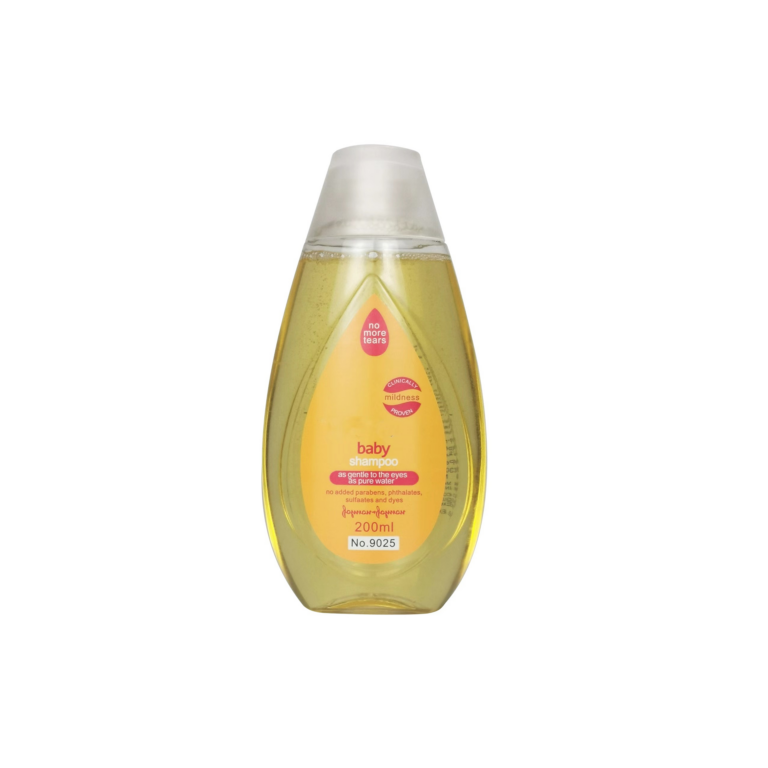
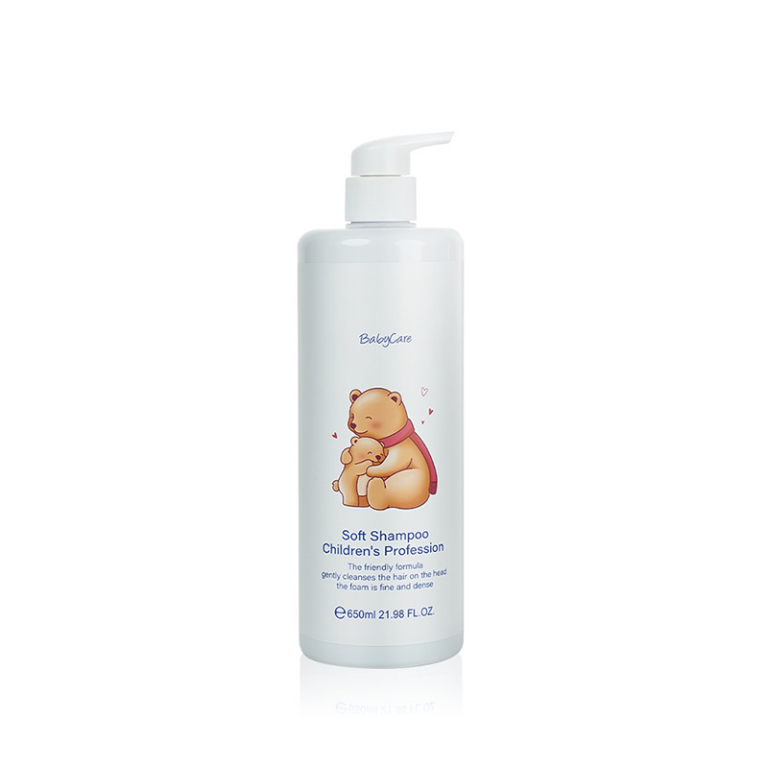
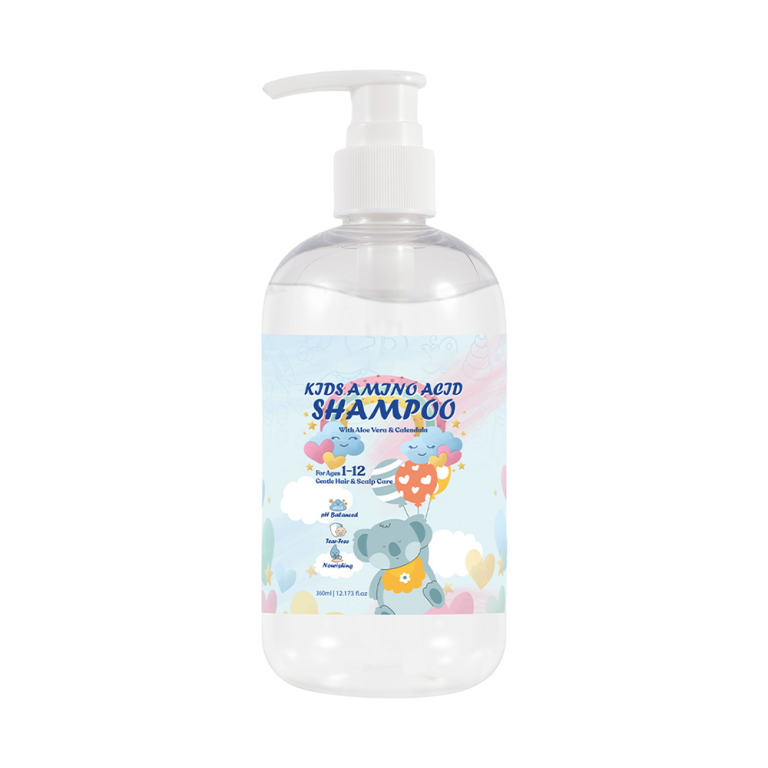
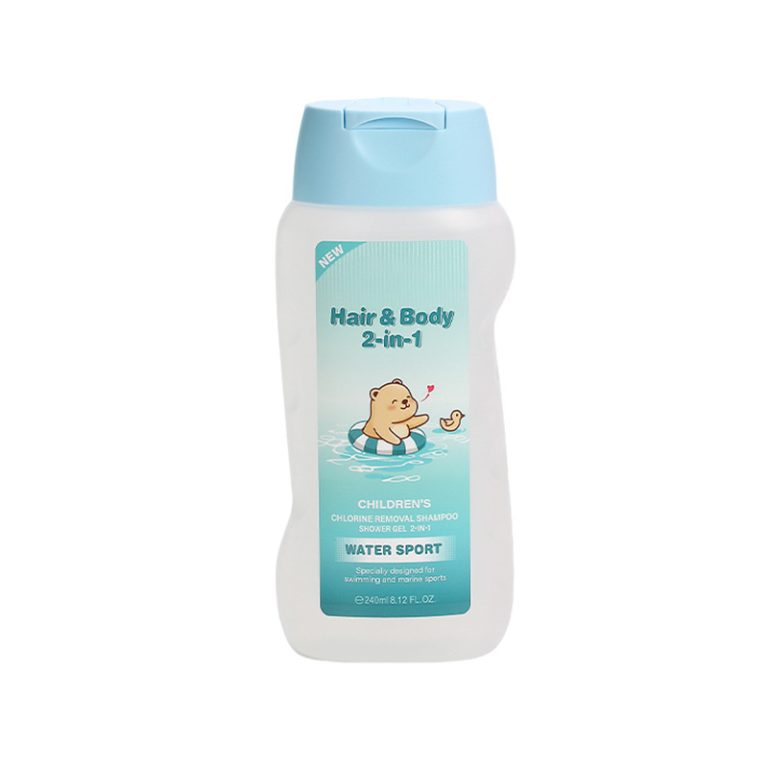
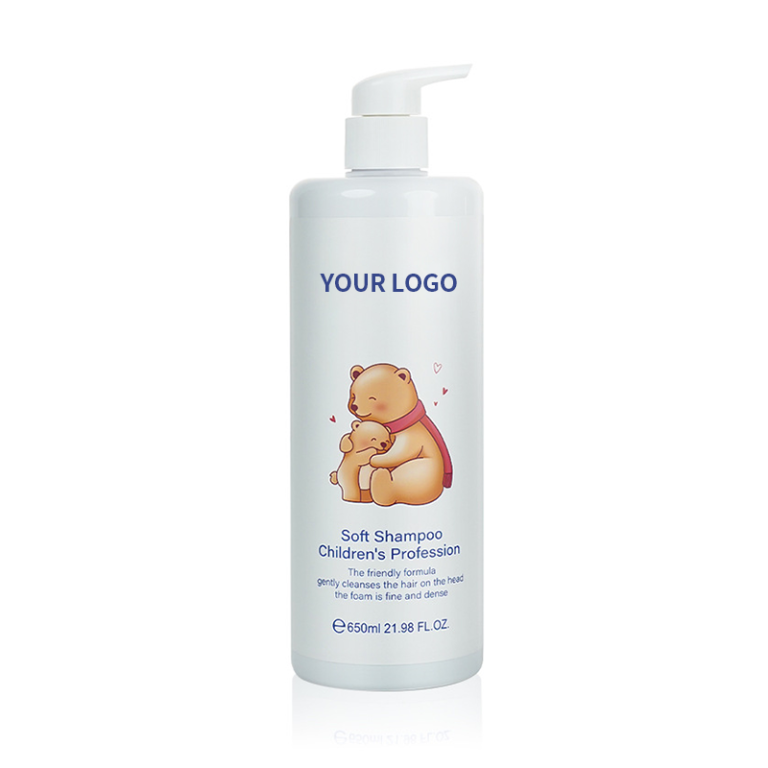
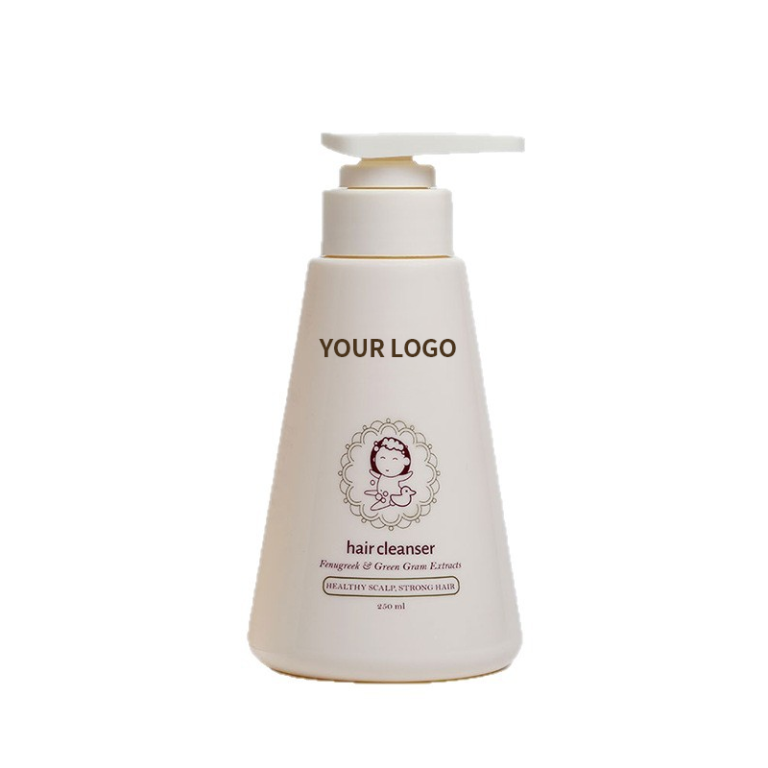
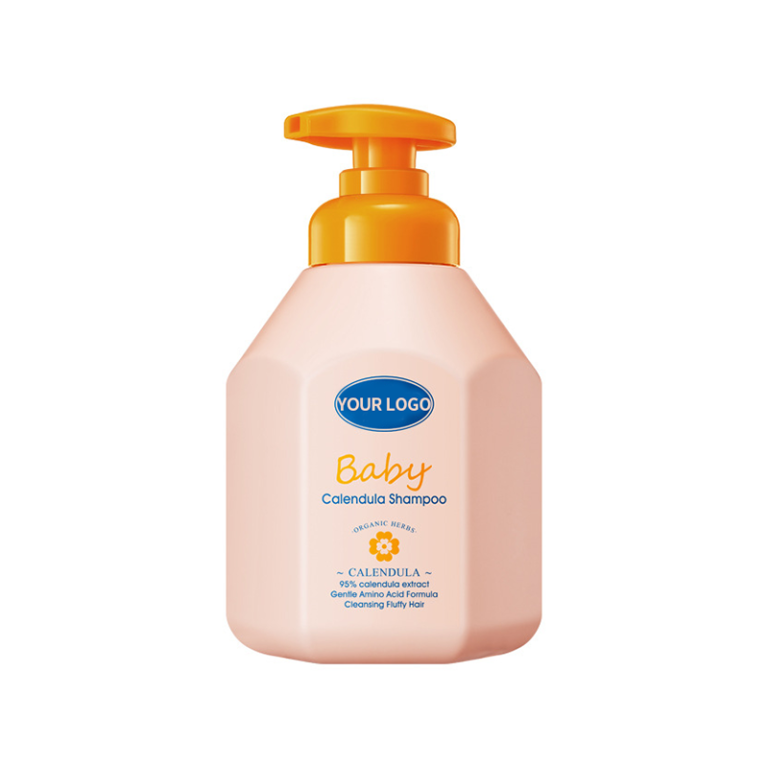
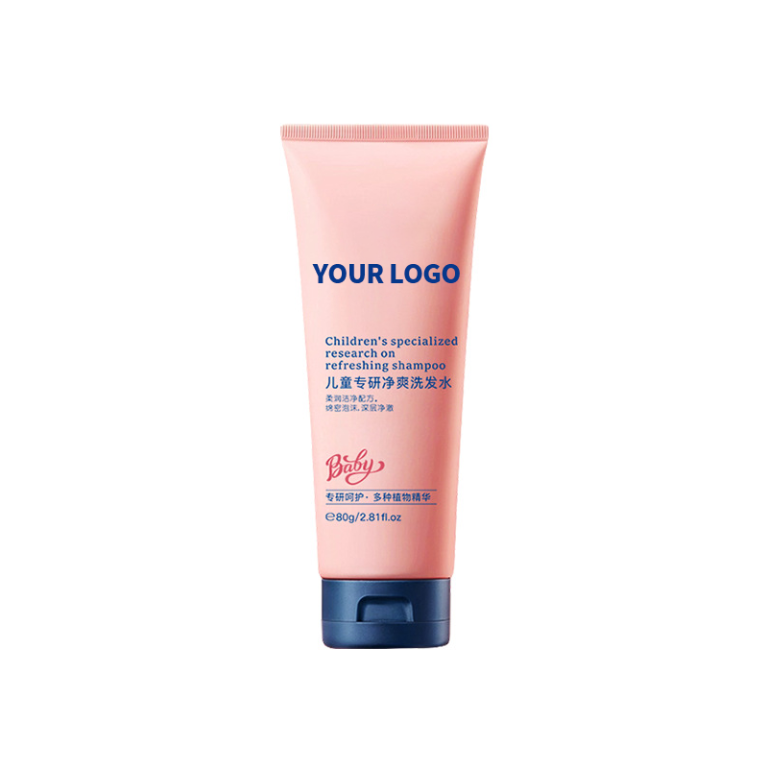
Compare private label baby shampoo options by mildness and wash experience—tear-free, gentle daily cleanse, and sensitive-scalp routes. Align foam level, fragrance-free choice, and packaging direction (pump bottle, flip-top, travel size) before sampling.
This category is easier to buy because there are two clear paths: one is high-frequency repeat purchases to drive volume, and the other is premium-priced differentiation with higher margins.
Private-label Baby shampoo customization in various forms, dosages, and types is what Laeyo Company does best.We offer OEM Baby shampoo products in a broad range of formulations, packaging, and ingredients.Also, we have a strong packaging supply chain to provide the widest range of packaging customized services for your Baby shampoo.
Many buyers search by shopping motivations and use-cases. Use this shelf to define your line architecture (hero SKU + variants).
Start with samples that match how you sell. You can choose a single Baby shampoo product line (for example, a daily repair bestseller for volume), or build a premium Baby shampoo collection. — we’ll propose 2–3 formula routes per SKU,We ensure that every Private Label Baby shampoo with unique formulations will stand out.
We make it easy for you to build your brand by providing a one-stop solution to your private label OEM/ODM production.
risk → MOQ/timeline → margin → performance → packaging/listing → supply support.
If you share the specs below, we can recommend the right base formula routes and component plan — then confirm MOQ and lead time with fewer iterations.
| Spec area | What buyers typically specify | Packaging / component notes | Common pitfalls to avoid |
|---|---|---|---|
| Track and channel | DTC, Amazon FBA, or retail shelves | Consider pump vs. flip-top for different channels | Assuming one packaging fits all channels |
| Target customer and positioning | Parents seeking gentle, tear-free formulas | Child-safe closures are non-negotiable | Overlooking parent pain points in marketing |
| Format and texture | Liquid, gel, or creamy lather preferences | Bottle shape affects dispensing control | Texture that's hard to rinse completely |
| Performance and sensory targets | Easy rinse, no residue, mild lather | Dispenser type impacts product waste | Over-fragrancing for sensitive scalps |
| Scent or fragrance direction | Light fruity, vanilla, or fragrance-free | Fragrance stability in clear bottles | Strong scents causing skin irritation |
| Variant strategy | Unscented vs. scented, or age ranges | Color-coding for variant differentiation | Too many SKUs confusing parents |
| Ingredients to include / avoid | Plant-based surfactants, no SLS/SLES | Ingredient list space on small labels | Allergens not clearly called out |
| Packaging components and decoration | Squeezable bottles with safety caps | Tamper-evident seals for retail | Decals peeling after repeated use |
| Label copy inputs and required warnings | Age range, tear-free claims, directions | Bilingual requirements for US market | Missing 'keep out of eyes' warning |
| Quality expectations and acceptance criteria | pH balanced, ophthalmologist tested | Batch consistency for color/fragrance | No clear pass/fail test criteria |
MOQ is a structure, not a single number. The fastest path is usually stock components + staged launch (1–2 hero SKUs).
| Scenario | SKUs | Packaging | Typical MOQ (per SKU) | Typical timeline |
|---|---|---|---|---|
| Pilot launch (fastest) | 1–3 | Stock components | 1,000–3,000 units | 4–6 weeks |
| Amazon-ready | 3–6 | Stock + light customization | 2,000–5,000 units | 6–10 weeks |
| Retail rollout | 6+ | Custom packaging + full plan | 5,000+ units | 10–16+ weeks |
Lead time milestones: formula sample → fragrance match (optional) → packaging mockup → PP sample → mass production.
Packaging and transport risk often drive timeline and landed cost. Align format + component direction early to avoid leakage and fulfillment issues.
Common extensions:Gentle Formula,Tear-Free,Hypoallergenic,Travel Size,Sensitive Scalp,2-In-1 Shampoo + Body Wash,Organic,Fragrance-Free(Confirm feasibility with your channel requirements.)
As a private-label Baby shampoo manufacturer, Laeyo has a team of experienced and certified engineers, designers, sales consultants, and a production team who have been engaged in the research and development of different body care products. We also have the ability and equipment to conduct advanced testing, production, and packaging. After all, our goal is to make your ideas a reality.
Each guide answers one question procurement teams typically validate before issuing an RFQ. Use them as quick checklists to scope requirements, compare suppliers consistently, and avoid rework that slows quotes and timelines.
In the mom & baby care sector, “GMP” (Good Manufacturing Practice) is more than just a certification—it’s the operational discipline that ensures every lotion, shampoo, or wipe is safe for newborn…
In baby care product manufacturing, a factory audit is not just about passing an inspection—it’s about ensuring consistent hygiene, safety, and regulatory compliance. When sourcing mom & baby prod…
When importing baby care products—especially lotions, washes, and wipes—traceability and complete batch documentation are not optional; they are the foundation of regulatory compliance and consumer tr…
Understanding the cost structure of baby care products is essential for brand owners and sourcing managers. Whether you’re launching a new baby lotion or replenishing baby formula stock, breakin…
In baby care product sourcing, Minimum Order Quantity (MOQ) is more than a contract term — it directly shapes your cost per unit, supplier willingness, and your ability to hit retail price points. Und…
Efficient baby care product development relies on a clear, structured sampling process. From defining your brief to finalizing a production-ready sample, each stage ensures product safety, consistency…
When sourcing baby lotion and baby wash, sample rounds are your opportunity to validate texture, fragrance, skin feel, packaging compatibility, and compliance before committing to full-scale productio…
Switching to fragrance‑free formulations in baby care sounds simple, but it changes nearly every step in your sourcing and sampling timeline. Whether you’re developing a baby lotion, cleanser, or diap…
Faster sampling if you share market + track + format + packaging direction. Most projects iterate 1–2 rounds before final approval.
Copy this list into your message. Or use the RFQ modal to generate an email draft automatically.
What you get back (within 8h): feasible formula routes + packaging notes + MOQ drivers + sampling plan + lead time range.
Concise, procurement-oriented answers. Expand items on mobile for a cleaner reading experience.
Current top-selling private label mom and baby care products in the U.S. include hypoallergenic baby lotions, zinc oxide diaper creams, and organic nipple balms, driven by demand for safe, natural options.
Amazon FBA requires baby care products to meet FDA labeling rules, including ingredient lists, warnings, and net quantity. As your OEM, we ensure labels comply during production and support with documentation.
We design baby care packaging with parent-friendly features like easy-open caps and travel-friendly aspects such as leak-proof seals, ensuring compliance with US regulations. Our process includes safety testing and documentation support.
I cannot provide specific differences between diaper cream, ointment, balm, and paste based on the provided data. Please share more details for accurate guidance from our OEM perspective.
Commonly avoided ingredients in US baby care are parabens, sulfates, phthalates, and synthetic fragrances due to skin irritation risks. Safer alternatives include plant-based preservatives like phenoxyethanol, gentle surfactants such as coco-glucoside, and natural oils or extracts for mild formulations.
We formulate high-barrier, spreadable diaper rash creams using a w/o emulsion base with targeted levels of zinc oxide (15-25%) and skin-soothing actives, optimized through lab rheology and spreadability testing.
We formulate baby washes using mild, plant-based surfactants like decyl glucoside that foam well while being gentle on skin. Our R&D ensures compliance with US standards like FDA and CIR guidelines.
For a non-greasy, fast-absorbing baby oil, use a blend of lightweight esters and plant oils like caprylic/capric triglyceride and squalane, often combined with silicones for slip. This requires precise ingredient ratios and viscosity control during manufacturing to ensure skin feel and stability.
Yes, baby sunscreens require FDA OTC compliance in the U.S., involving adherence to the sunscreen monograph, product listing, and specific testing like SPF and stability.
Pump or tube packaging is best for US baby care to reduce contamination, with pumps offering superior airless protection. We provide MOQ from 3000 units and support FDA compliance testing and documentation.
Share target market + channel + track + format + packaging direction. We are here for all your business needs and questions.