See the factory by live video walkthrough
Book an on-site factory visit in Guangzhou
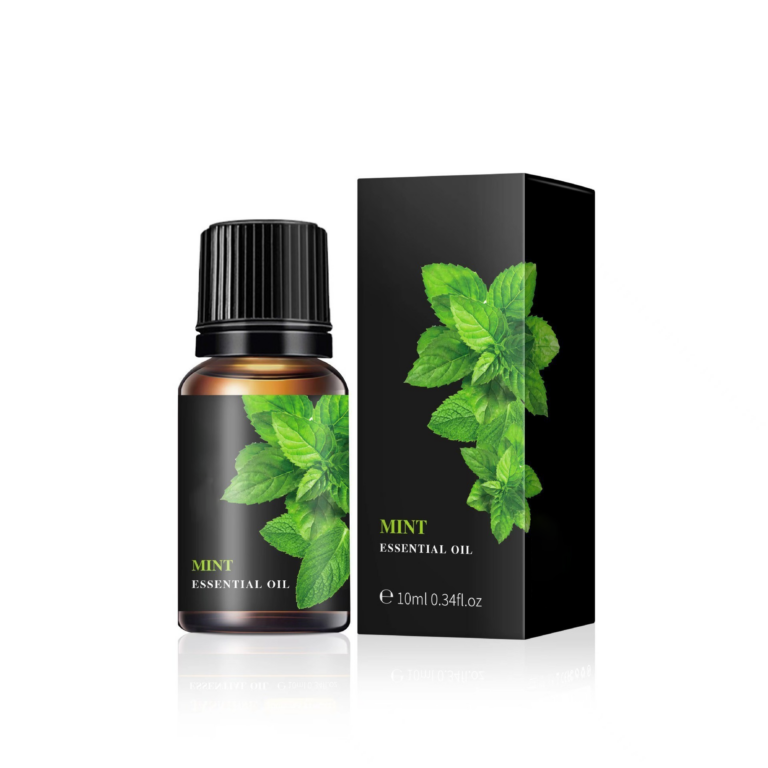
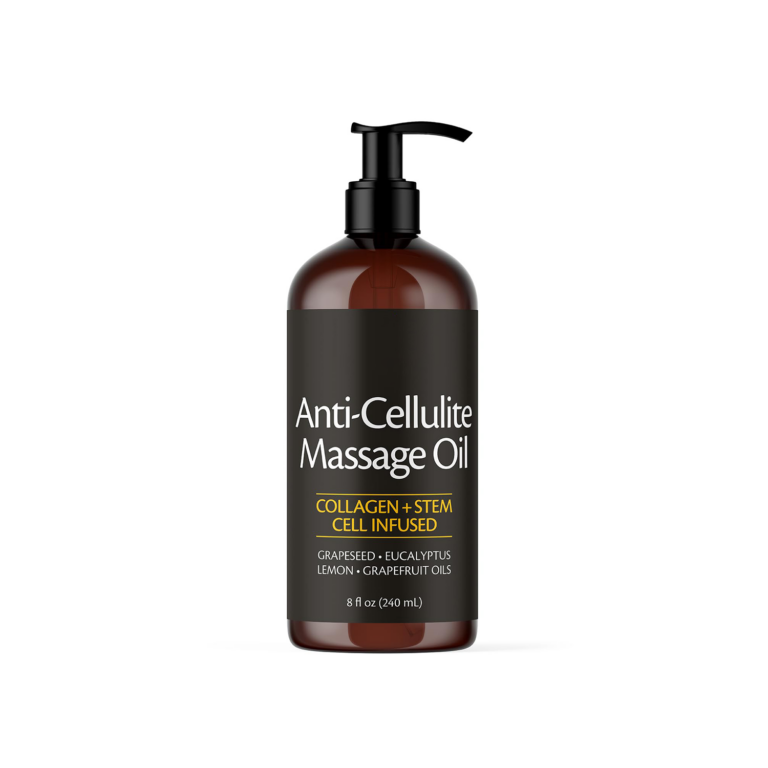
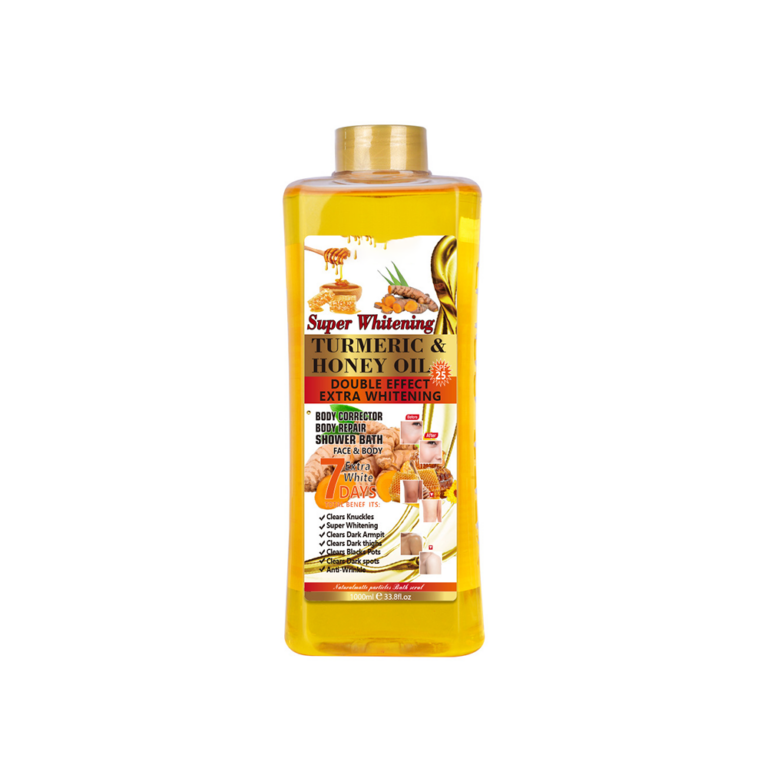
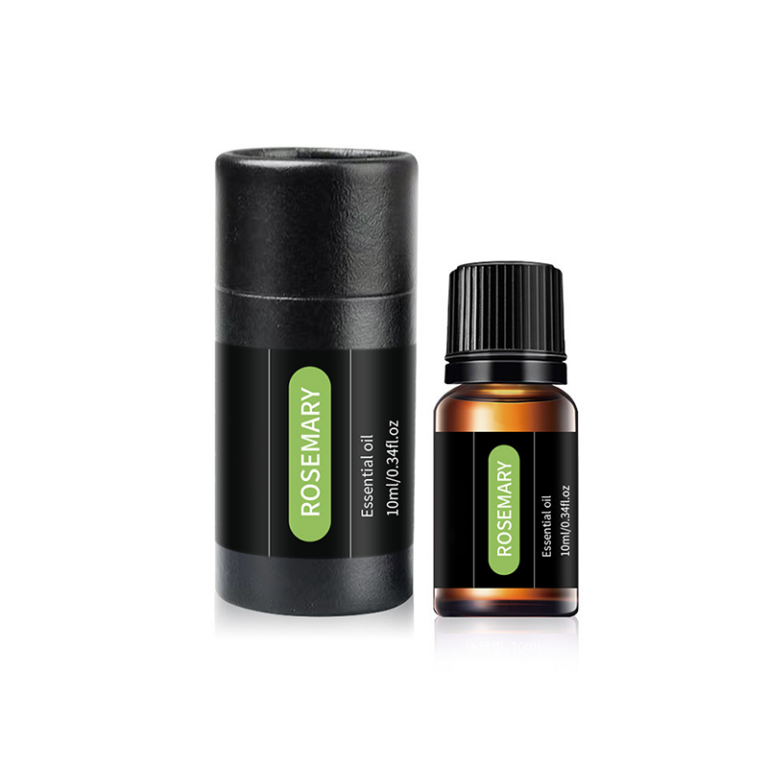
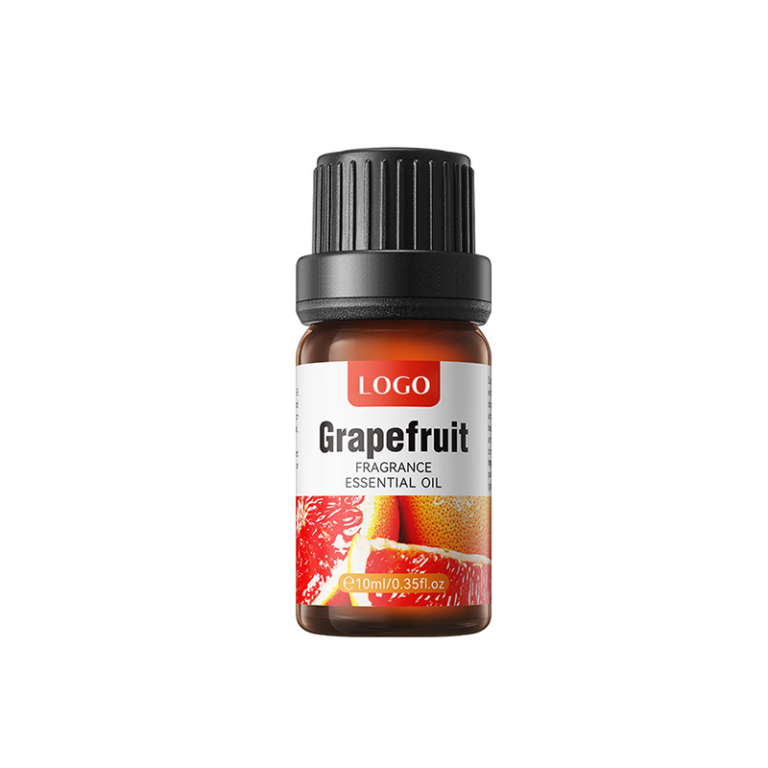
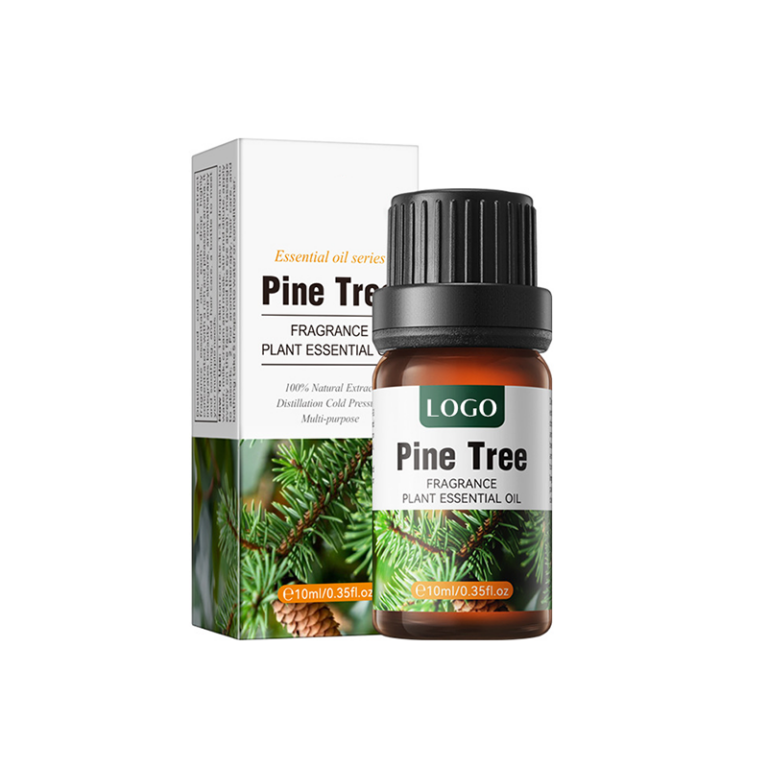
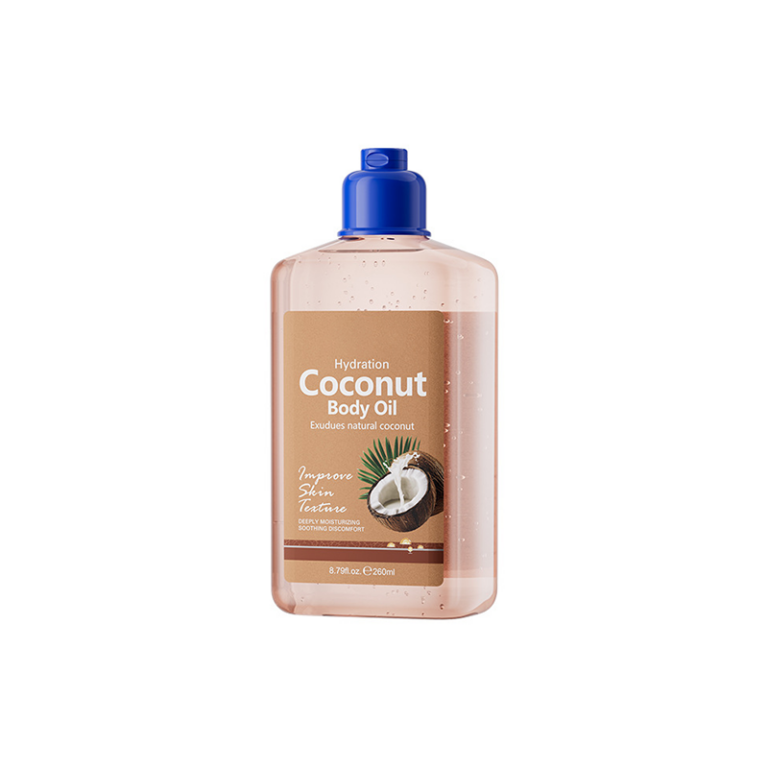
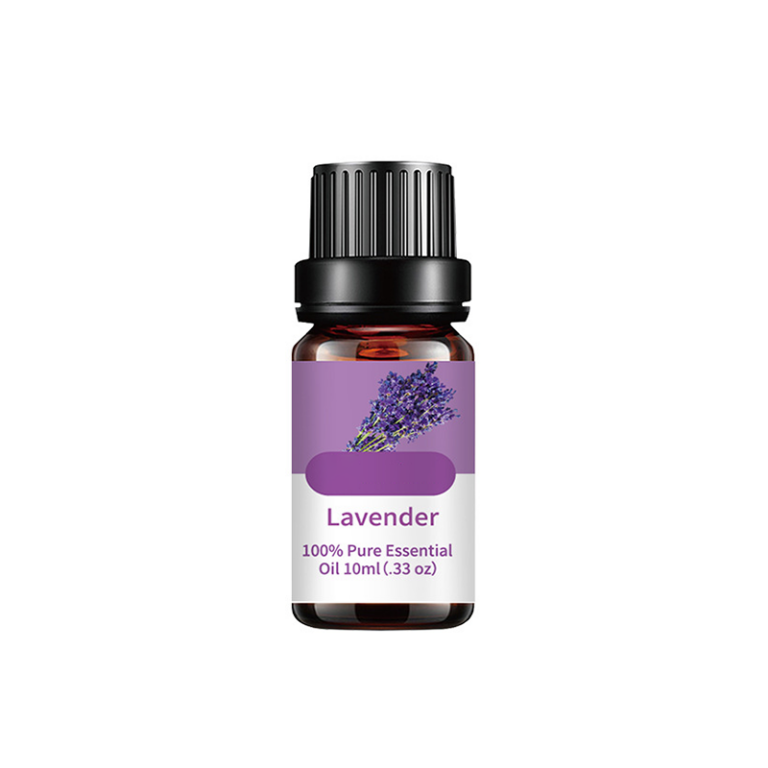
Compare private label massage oil options by slip, absorption speed, and scent direction—spa-grade, warming, and relaxation routes. Align finish (non-sticky), stain risk, and packaging (pump, bottle, professional-size) before sampling.
This category is easier to buy because there are two clear paths: one is high-frequency repeat purchases to drive volume, and the other is premium-priced differentiation with higher margins.
Private-label Massage Oil customization in various forms, dosages, and types is what Laeyo Company does best.We offer OEM Massage Oil products in a broad range of formulations, packaging, and ingredients.Also, we have a strong packaging supply chain to provide the widest range of packaging customized services for your Massage Oil.
Many buyers search by shopping motivations and use-cases. Use this shelf to define your line architecture (hero SKU + variants).
Start with samples that match how you sell. You can choose a single Massage Oil product line (for example, a daily repair bestseller for volume), or build a premium Massage Oil collection. — we’ll propose 2–3 formula routes per SKU,We ensure that every Private Label Massage Oil with unique formulations will stand out.
We make it easy for you to build your brand by providing a one-stop solution to your private label OEM/ODM production.
risk → MOQ/timeline → margin → performance → packaging/listing → supply support.
If you share the specs below, we can recommend the right base formula routes and component plan — then confirm MOQ and lead time with fewer iterations.
| Spec area | What buyers typically specify | Packaging / component notes | Common pitfalls to avoid |
|---|---|---|---|
| Track and channel | DTC, Amazon FBA, or retail (e.g., spa/wellness stores) | Consider drop-ship vs. bulk packaging needs | Not aligning packaging size with channel requirements |
| Target customer and positioning | Luxury spa, therapeutic, or everyday wellness | Match packaging aesthetics to brand positioning | Overcomplicating the product story |
| Format and texture | Light, medium, or rich texture; dry vs. greasy feel | Pump vs. dropper vs. flip-top cap compatibility | Not testing texture with intended packaging |
| Performance and sensory targets | Absorption rate, glide, after-feel (e.g., non-sticky) | Ensure viscosity works with dispensing mechanism | Prioritizing looks over functional performance |
| Scent or fragrance direction | Essential oil blends (e.g., lavender, eucalyptus) or unscented | Check scent stability with plastic components | Overpowering scents that linger too long |
| Variant strategy | Single SKU or multiple scents/textures | Standardize components across variants for cost efficiency | Creating too many variants without demand |
| Ingredients to include / avoid | Carrier oils (e.g., jojoba, almond), essential oils, or actives | Verify ingredient compatibility with packaging materials | Allergens without proper disclosure |
| Packaging components and decoration | Bottle type, cap, box, labels (e.g., matte, embossed) | Ensure decoration methods suit volume and budget | Over-specifying expensive decorations for low-margin products |
| Label copy inputs and required warnings | Brand name, claims, directions, allergen statements | Confirm label dimensions match packaging | Missing mandatory warnings (e.g., 'For external use only') |
| Quality expectations and acceptance criteria | Clarity, color consistency, scent strength, stability | Define acceptable tolerances for fill levels | Not setting measurable quality benchmarks |
MOQ is a structure, not a single number. The fastest path is usually stock components + staged launch (1–2 hero SKUs).
| Scenario | SKUs | Packaging | Typical MOQ (per SKU) | Typical timeline |
|---|---|---|---|---|
| Pilot launch (fastest) | 1–3 | Stock components | 1,000–3,000 units | 4–6 weeks |
| Amazon-ready | 3–6 | Stock + light customization | 2,000–5,000 units | 6–10 weeks |
| Retail rollout | 6+ | Custom packaging + full plan | 5,000+ units | 10–16+ weeks |
Lead time milestones: formula sample → fragrance match (optional) → packaging mockup → PP sample → mass production.
Packaging and transport risk often drive timeline and landed cost. Align format + component direction early to avoid leakage and fulfillment issues.
Common extensions:Sensitive Skin,Soothing Blend,Lightweight Texture,Rich Hydration,Travel Size,Essential Oil Blends,Aromatherapy,Gift Sets(Confirm feasibility with your channel requirements.)
As a private-label Massage Oil manufacturer, Laeyo has a team of experienced and certified engineers, designers, sales consultants, and a production team who have been engaged in the research and development of different body care products. We also have the ability and equipment to conduct advanced testing, production, and packaging. After all, our goal is to make your ideas a reality.
Each guide answers one question procurement teams typically validate before issuing an RFQ. Use them as quick checklists to scope requirements, compare suppliers consistently, and avoid rework that slows quotes and timelines.
When developing a new body care line, controlling minimum order quantity (MOQ) is often the biggest constraint. For emerging beauty brands, reducing MOQ strategically—without compromising product qual…
Understanding where your body care budget actually goes is essential for smart sourcing. Whether you’re a brand owner planning your first private-label product or optimizing an existing line, breaking…
Product returns due to leakage, pump failure, or label damage are among the most underreported profit drains in body care manufacturing. Each unreturned SKU hides unseen costs—from QC rework to retail…
Choosing between ocean and air freight for body care products is a crucial part of your supply chain planning. Each mode of transport affects cost structure, damage rates, and delivery reliability dif…
Creating a “premium feel” doesn’t always mean inflating your cost of goods. With disciplined formulation, packaging alignment, and sensory testing, body care brands can deliver a luxurious user experi…
Body care buyers often face a simple but critical variable that shapes their landed cost and margins — order quantity. Here’s how Minimum Order Quantity (MOQ) influences unit price, how manufact…
When sourcing body care products for your brand, manufacturing compliance frameworks such as GMPC and ISO 22716 can directly impact your launch timeline, product safety, and market access. Unders…
In body care product sourcing, packaging minimum order quantities (MOQs) can have a decisive impact on launch timelines, unit costs, and inventory risk. Understanding which components are flexible—and…
Faster sampling if you share market + track + format + packaging direction. Most projects iterate 1–2 rounds before final approval.
Copy this list into your message. Or use the RFQ modal to generate an email draft automatically.
What you get back (within 8h): feasible formula routes + packaging notes + MOQ drivers + sampling plan + lead time range.
Concise, procurement-oriented answers. Expand items on mobile for a cleaner reading experience.
Buyers should audit raw material verification, batch consistency checks, fill accuracy, leakage tests, and fragrance dosing precision for body care products in SEA to ensure quality and compliance.
For body care shipping to Southeast Asia, sea freight with climate-controlled containers is best. It prevents leakage from air pressure changes and protects formulas from heat degradation during the long transit.
Aluminum-free deodorants appeal to SEA consumers seeking natural options but may have higher production costs and formulation challenges. As an OEM, we support efficient production with compliance testing.
We formulate deodorants for SEA humidity using aluminum salts and antimicrobial agents to control sweat and odor. Our process includes stability testing and moisture-resistant packaging for long-lasting performance.
As an OEM/ODM manufacturer, evaluate SEA suppliers on ASEAN Cosmetic Directive compliance, in-house QA testing for tropical climates, transparent MOQ-based pricing, and batch consistency via audits and production controls.
In tropical SEA markets, body care products often fail stability tests due to high humidity and heat causing microbial growth, formulation separation, and packaging degradation. We recommend accelerated testing and robust packaging to mitigate these risks.
We select pumps and foamers designed for humidity by using corrosion-resistant materials (PP, stainless steel springs), tight seals, and testing them in production under simulated high-humidity conditions to prevent clogging and leakage.
U.S. private label buyers are often surprised by (1) expanded testing scope tied to claims, (2) packaging/artwork rework after sampling, and (3) freight damage and replacement costs. Budget these early to avoid delays and rushed air shipments.
For body care OEM/ODM, MOQ mainly drives unit price by spreading fixed costs (formula work, setup, packaging design/printing, and testing) across more units. In general, higher MOQ means a lower unit cost and more room for better packaging options.
Fastest savings usually come from simplifying the pack system: standardize components across SKUs, reduce custom parts, and avoid high-lead-time materials while keeping a premium feel via clean labels and consistent finishes.
Share target market + channel + track + format + packaging direction. We are here for all your business needs and questions.