
See the factory by live video walkthrough
Book an on-site factory visit in Guangzhou
Entering the makeup industry can feel overwhelming at first, but with the right plan, partners, and understanding of manufacturing options, you can successfully build a profitable brand. Below is a practical step-by-step overview to…
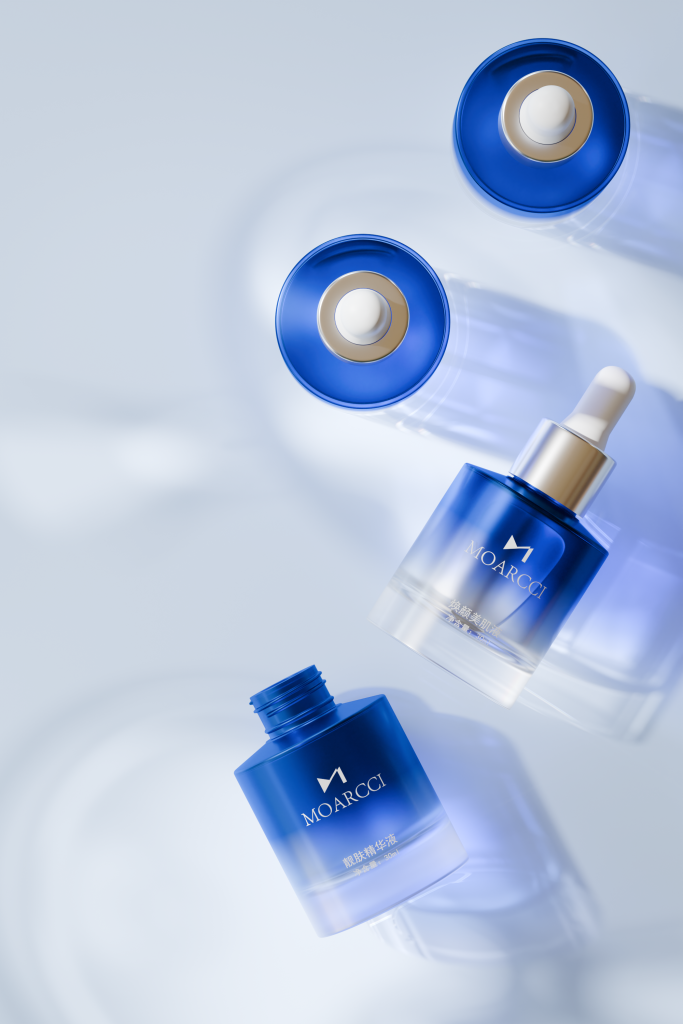
Entering the makeup industry can feel overwhelming at first, but with the right plan, partners, and understanding of manufacturing options, you can successfully build a profitable brand. Below is a practical step-by-step overview to help new brand founders or investors navigate the process—from initial concept to production and launch.
Before developing any product, invest time in understanding your target customers and the competitive landscape.
Your brand identity will define how consumers recognize and trust your products.
When you’re ready to produce, choose a manufacturing approach that fits your brand strategy and investment level.
| Model | Who Provides the Formula? | Manufacturer’s Role | Best For |
|---|---|---|---|
| OEM | Your brand | Factory produces based on your formula and materials | Brands with R&D resources |
| ODM | Factory | Factory handles R&D, formula development, and production | Startups or new brands |
| Private Label (ready stock) | Factory | Factory provides pre-formulated, customizable products | Low-MOQ or test-market projects |
Once you’ve chosen your factory, request samples to evaluate the product’s performance, texture, and packaging suitability.
Seeing the facility in person gives confidence in the manufacturer’s capabilities and compliance practices.
Different markets have distinct cosmetic regulatory processes. Align with experienced labs for filing and labeling support.
After your first launch, maintain an active feedback and improvement loop.
Typically 30–60 working days from sample confirmation to final production, depending on the complexity of formulas and packaging.
Yes. Many established factories offer small-batch production programs starting at around 500–1000 units per item—ideal for startups testing the market.
Request: COS, GMP certificates, test reports (stability, micro, heavy metals), SDS, and full ingredient list with INCI names.
Check whether the company lists a physical address on map platforms and allows on-site visits. Real factories welcome inspections; intermediaries often avoid them.
Build an official website, leverage short video and live streaming channels, and maintain consistent messaging across your online presence. Consider local exhibitions for visibility.
Request a Quote to discuss your makeup project with our manufacturing experts and receive tailored samples or MOQs within 24 hours.
With more than 20 years of experience in OEM/ODM/Private Label Cosmetics, I'd love to share valuable knowledge related to cosmetics & skincare products from a top-tier Chinese supplier's perspective.