

See the factory by live video walkthrough
Book an on-site factory visit in Guangzhou


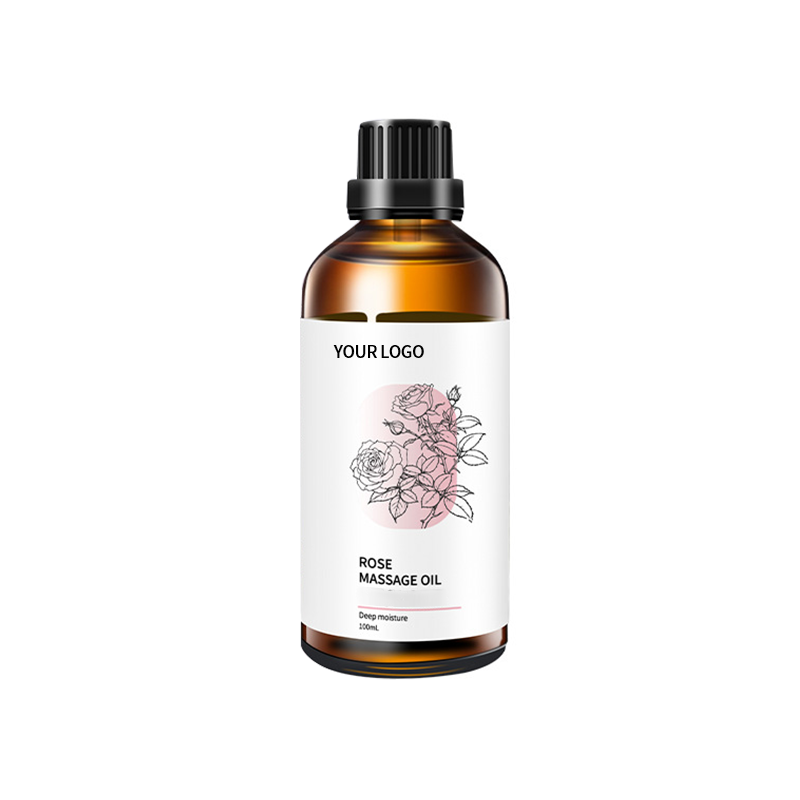
Premium Bulgarian Rose Massage Oil for luxurious body care experiences
From fast sampling to iterative optimization—aligned to your market and positioning.
Stable production workflow with quality checkpoints for consistency and scale-up.
Packaging options, decoration, labeling/INCI coordination—helping you launch shelf-ready SKUs.
luxurious body care, professional spa use, daily home massage, suitable for sensitive skin
deep skin nourishment, smooth glide texture, non clogging formula, soothing rose aroma
Adults seeking premium body care; spa clients; sensitive skin users
Performed to ensure formula integrity over shelf life
Confirms product safety and absence of harmful microorganisms
Test results available upon request for skin tolerance
QA checkpoints are critical for body care manufacturing in SEA, focusing on batching, filling, and fragrance dosing to prevent defects and ensure market readiness. Audit batching for raw material COA verification, batch formula adherence, and viscosity/pH measurements; filling for fill volume accuracy via checkweighers, leakage tests under pressure, and capping torque; fragrance dosing for precision scales, compatibility tests to avoid separation, and sensory evaluation. Concrete details: MOQ typically starts at 3000 units, influenced by packaging; sampling timeline is 4-6 weeks; testing includes microbial, stability, and packaging drop tests; lead time from PO is 10-12 weeks, with packaging compliance for SEA regulations. We support documentation like test reports and certificates, but final regulatory approval is the buyer's responsibility, as requirements vary by country.
For the SEA market, sea freight in a refrigerated (reefer) or at minimum a ventilated container is the standard choice. This method avoids the drastic air pressure changes of air freight, which is the primary cause of pump and spray valve failure and leakage. The stable, cooler environment also protects heat-sensitive ingredients like butters, vitamins, and certain emulsifiers from separating or degrading during the 3-5 week voyage. We coordinate the container booking, inland trucking, and export customs clearance as part of a full FOB service. Key steps include a 48-hour inverted leakage test on all sealed units post-filling and using desiccants in master cartons to manage humidity. For urgent, small batches, air freight is possible but requires specific packaging validation: we must test the final packed product in a vacuum chamber to simulate cabin pressure and use thicker, inner bubble wrap to cushion pumps. We can provide the packing list, commercial invoice, and Certificate of Origin needed for your import agent. Always factor in at least 7-10 days for customs clearance at destinations like Indonesia or Vietnam.
Aluminum-free deodorants are popular in Southeast Asia due to growing demand for natural and halal-compliant personal care, aligning with clean beauty trends. This offers a marketing edge for brands targeting health-conscious buyers. However, these formulas can have reduced antiperspirant efficacy, which is a con in humid SEA climates, requiring careful formulation with alternatives like zinc ricinoleate for odor control. MOQ guidance typically starts at 5,000 units to cover setup costs, with sampling taking 3-4 weeks for development and feedback. We assist with testing and documentation, including safety assessments and halal certification support, though final regulatory approval depends on local authorities. Packaging must be humidity-resistant, using materials like PET or secure closures to prevent leakage. Lead time from order to shipment is around 10-12 weeks, including production, QA checks, and doc preparation. By collaborating on formulation and compliance, we ensure a smooth launch for your brand.
Formulating deodorants for Southeast Asia's humid climate focuses on sweat control and odor prevention. Key ingredients include aluminum salts to reduce perspiration, and antimicrobials like triclosan alternatives to combat bacteria. We adjust viscosity for easy application in heat, ensuring no sticky residue, and use fragrance blends that mask odor without irritation. For MOQ, typical orders start at 5,000 units per SKU, scalable based on packaging complexity. Sampling takes 2-3 weeks for lab samples and 4 weeks for finished prototypes, including stability checks at high humidity. Testing covers microbial limits, pH balance, and 3-month accelerated stability under tropical conditions. We assist with documentation for ASEAN compliance, such as CPNP filings and IFRA certificates, but do not guarantee approval—we provide test reports and safety assessments. Packaging uses moisture-barrier materials like aluminum roll-ons or airless pumps to prevent leakage. Lead time from production to shipping is 6-8 weeks, with QA checkpoints for fill accuracy and label adhesion in humid environments. We recommend pilot runs to validate performance before full-scale production.
When comparing body care suppliers for Southeast Asia, prioritize compliance with the ASEAN Cosmetic Directive (ACD). Key documents include Product Information Files (PIFs), safety assessments, and ingredient declarations. Suppliers must handle local notifications in countries like Thailand or Indonesia, and we assist with documentation, though approval relies on authorities. For QA, demand in-house testing for microbial limits, heavy metals, and preservative efficacy under high humidity to prevent spoilage. Stability testing should cover 3-6 months at elevated temperatures to ensure shelf life. Packaging must be vetted for leakage resistance and label adhesion in humid conditions to avoid rework. Pricing transparency hinges on MOQ drivers: typical MOQs are 3,000-10,000 units per SKU, influenced by custom packaging, raw material grades, and formula complexity. Consistency requires ISO-certified production with batch records, viscosity checks, and third-party audits for color and fragrance uniformity. Sampling takes 2-4 weeks, while production lead time is 45-60 days, including raw material sourcing and pilot runs. We support with testing and docs, but final compliance is buyer's responsibility.
Body care products in tropical SEA markets commonly fail stability tests because high humidity and temperatures accelerate microbial contamination, leading to spoilage and safety issues. Formulations may separate, change viscosity, or lose efficacy under these conditions. Packaging materials like labels can bubble, and seals may degrade, increasing leakage risks during storage or transit. From our OEM experience, controlling fill temperature windows and conducting microbial hold-time studies are critical to prevent failures during production. For MOQ guidance, we advise a minimum of 5000 units per SKU to allow adequate batch sizes for stability testing, ensuring cost-effective scaling without compromising quality. Sampling typically takes 4-6 weeks, including accelerated stability cycles that simulate tropical climates to identify issues early. We support documentation such as stability reports and microbial testing to help meet regulatory standards, though approval depends on local authorities. Use moisture-resistant packaging like sealed pumps and UV-protected bottles to enhance durability. Lead time may extend by 2-3 weeks for additional testing phases, so plan launches accordingly to avoid delays. Always consider rework risks if initial tests fail, and factor in extra time for adjustments based on real-time environmental simulations in our facility.
For SEA's humid climate, component selection is critical. We specify pumps with internal mechanisms made from polypropylene (PP) or acetal, which resist moisture absorption and swelling. Spring materials are stainless steel to prevent rust, which is a common failure point that leads to clogging or inconsistent dispensing. The sealing gasket material is also chosen for its resistance to mold and degradation in constant 80%+ RH environments. During sampling, we run salt spray tests on metal components and function-tests units after exposure to high humidity chambers. For production, we implement inline checks on every batch, including a torque test to ensure the actuator hasn't become stiff or stuck due to material expansion. We can support documentation like MSDS for all components and a Declaration of Conformity for the assembled packaging. Lead time for tooling new components is 45-60 days, with a standard MOQ of 10,000 units per component. Final packaging includes silica gel in master cartons to control moisture during ocean freight.
The biggest “hidden” cost is testing scope creep. What starts as basic checks can expand into micro/stability/challenge and claim-support testing depending on positioning and channels. We can help arrange send-out testing and track reports, and we can support the documentation set you’ll need for your supply chain, but we never promise regulatory outcomes. Packaging rework is #2. After the first sample, brands commonly revise artwork, instructions, pricing sheets, or component specs (pump/cap fit, label size, box dielines). Packaging lead times add up: outer cartons are often ~15 working days for a single box, ~20 for a set box; inner packs can be ~15 for glass bottles, ~30 for acrylic, ~15 for tubes/mask pouches. Changing components midstream usually triggers re-order minimums and new proofs. Freight damage is #3. Fragile packs (glass, pumps) can require extra inserts, stronger master cartons, and better palletization. Without planning, you may pay for replacements, rework labor, and expedited shipping. Typical MOQs are 1,000-3,000 units (simple items like masks can start at 1,000; complex skincare sets often 3,000). Production is commonly 10-20 working days once everything is confirmed, while full one-stop brand delivery is often 45-60 days.