

See the factory by live video walkthrough
Book an on-site factory visit in Guangzhou


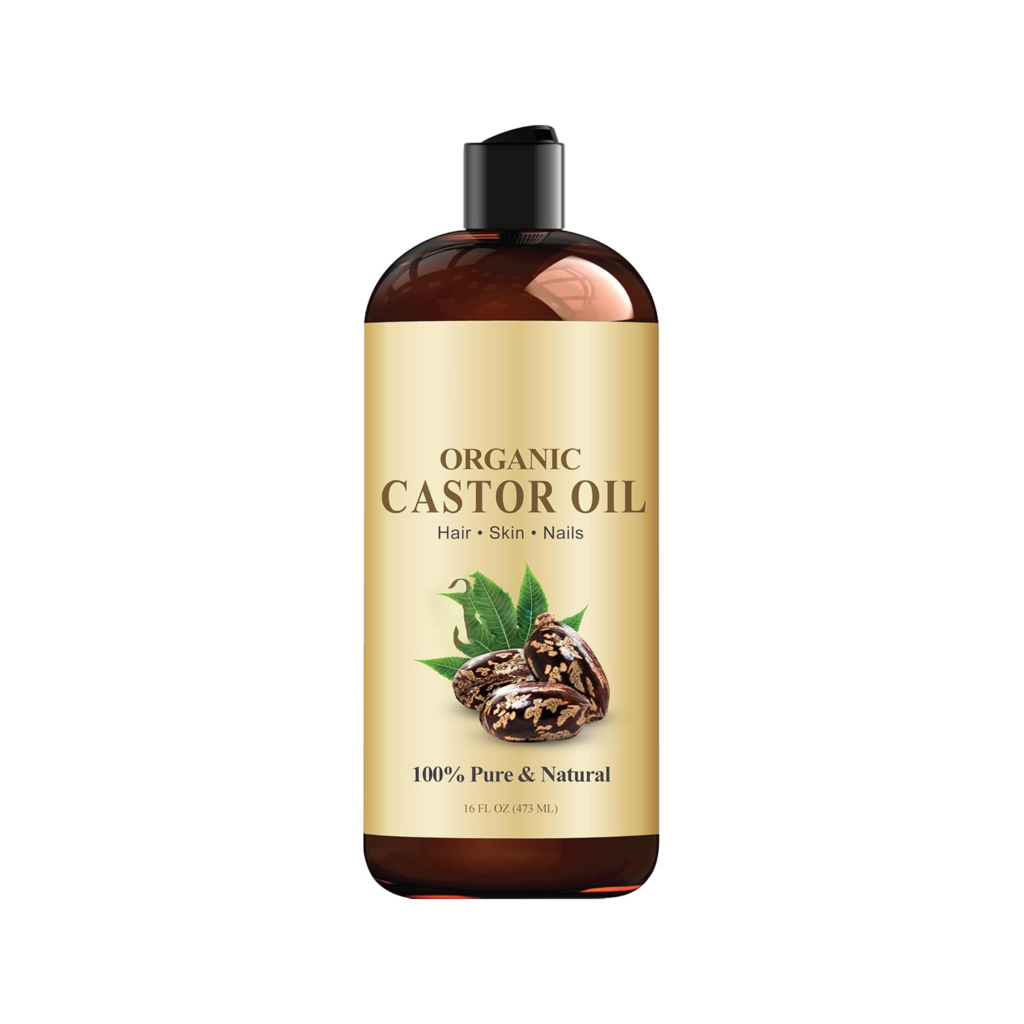
Organic Castor Oil is 100% pure and natural, refined from carefully selected, high-quality ingredients. Its rich texture is nourishing yet non-irritating, providing powerful moisturizing benefits. It can be used as a high-quality base oil for facial, body, hair, eyelash, and eyebrow care, helping to improve dryness, brittleness, and roughness, leaving skin and hair softer, smoother, and with a healthy shine.
From fast sampling to iterative optimization—aligned to your market and positioning.
Stable production workflow with quality checkpoints for consistency and scale-up.
Packaging options, decoration, labeling/INCI coordination—helping you launch shelf-ready SKUs.
Add packaging options (one per line) in B2B Landing.
Add decoration options (one per line) in B2B Landing.
Micro / stability / compatibility (as needed) with production QC checkpoints.
INCI list, COA, SDS/MSDS, GMP/ISO certificates (scope-dependent).
Label guidance and documentation packaging support based on target market expectations.
Packaging compatibility testing is essential for body care products in Southeast Asia to prevent leaks, contamination, and ingredient degradation during storage and transport. We conduct tests like material compatibility assessments to check for reactions between formulations and packaging, leakage simulations under varying temperatures and pressures, and seal integrity verifications. These ensure product stability in humid SEA conditions and compliance with standards like the ASEAN Cosmetic Directive. For MOQ guidance, we recommend starting at 5,000 to 10,000 units per SKU to balance testing costs and efficiency. Sampling for testing typically takes 3-4 weeks, where we produce pilot batches for evaluation. We assist with documentation, including stability reports and certificates of analysis, to support your regulatory submissions without guaranteeing approval. Packaging considerations include using HDPE or PET bottles for oils to prevent oxidation and leak-proof pumps for mists. Lead time from initial testing to mass production is around 8-12 weeks, depending on customization and testing outcomes.
In SE Asia's humid environments, body care products in bathrooms are prone to mold and microbial growth. We mitigate this through formulation with broad-spectrum preservatives like phenoxyethanol, tailored to water activity and pH, and packaging with tight seals such as airless pumps or jars with gaskets to block moisture. During sampling, we conduct microbial challenge tests and stability checks, which add 3-4 weeks to the timeline, and for MOQ, we recommend at least 5,000 units per SKU to optimize preservative costs and batch testing. In production, we enforce GMP controls and perform microbial limit tests on each batch, with lead times including 2 weeks for sampling approval and 4-6 weeks for production and final testing. We assist with documentation for ASEAN Cosmetic Directive compliance, but market approval depends on local authorities.
Accelerated stability testing for Southeast Asia typically involves 40°C ± 2°C and 75% ± 5% relative humidity over 3-6 months. This simulates real-world storage in hot, humid climates like Thailand or Indonesia, where temperatures can reach 35°C and humidity exceeds 80%. At LAEYO Labs, we integrate this into our development cycle to verify that your body lotions, washes, or creams remain stable without separation, discoloration, or microbial growth. MOQ guidance starts at 5,000 units per SKU to make testing cost-effective, as smaller batches may not justify the stability study costs. Sampling timeline includes 2-3 weeks for lab samples after formulation approval, with stability testing adding 3-6 months to the overall lead time, so plan your launch accordingly. We support comprehensive testing and documentation, including reports from accredited labs, to help you meet SEA regulatory requirements without guaranteeing approval. Packaging must be moisture-resistant; we recommend laminated tubes or airless pumps with tight seals to prevent leakage and preserve efficacy. Lead time from order to production is 8-12 weeks, excluding stability testing, but we can expedite other stages if you provide clear timelines upfront. By collaborating early, we ensure your products are market-ready with all necessary checks in place.
In tropical SEA markets, high humidity and heat require packaging that prevents contamination and maintains product integrity. Pumps and airtight tubes are top choices as they limit air exposure, reducing microbial growth and oxidation risks. Foamers can work for body washes but need robust seals; jars are generally avoided due to direct contact and moisture ingress. For MOQ, pumps start around 10,000 units due to mold costs, while tubes may be 5,000 units. Sampling takes 2-3 weeks post-design approval, with stability testing under accelerated conditions (e.g., 40°C/75% RH) for 3 months to ensure performance. We support documentation for regulatory compliance in SEA countries, though approval times vary by market. Lead time from production to shipping is 8-10 weeks, influenced by order volume and customizations. Choose packaging materials resistant to humidity to prevent issues like label bubbling or leakage during storage and transit.
For a brightening body lotion in tropical markets, we focus on water-based or oil-in-water emulsions with lightweight emollients (e.g., cyclomethicone, caprylic/capric triglyceride) and humectants like glycerin for hydration without stickiness. Brightening actives such as niacinamide, arbutin, or licorice extract are incorporated at effective levels, with pH stability checks to prevent degradation in heat. We avoid heavy oils and use polymers for a smooth, quick-dry finish. MOQ typically starts at 3,000-5,000 units per SKU to balance cost and feasibility, depending on packaging complexity. Sampling takes 3-4 weeks for initial lab samples, with feedback loops for texture adjustments. We support safety testing (e.g., patch tests, microbial limits) and documentation for SEA compliance, including ingredient labeling and claims substantiation, but cannot guarantee approval. Packaging options include airless pumps or flip-top caps to prevent contamination and leakage in humidity. Lead time from final sample approval to production is 8-10 weeks, including batch QA for viscosity and fill accuracy.
In Southeast Asia, where humidity and diverse skin types are factors, a successful fragrance strategy starts with selecting hypoallergenic and skin-friendly scents. We recommend using essential oil blends or synthetic fragrances with low irritation potential, tailored to local preferences like tropical or floral notes. Our R&D team can formulate scents that are both appealing and safe, avoiding common allergens. Concrete operational details: MOQ for body care products in SEA typically starts at 10,000 units per SKU, which helps in cost-effective production. Sampling timeline is 3-4 weeks for fragrance options, including patch testing on local skin panels to assess irritation. We support documentation for compliance with ASEAN Cosmetic Directive, ensuring all ingredients are within safe limits. For packaging, we use air-tight containers to prevent fragrance oxidation in humid conditions, which can alter scent and cause irritation. Lead time from final sample approval to production is 8-10 weeks, including stability testing to confirm product integrity. We do not guarantee regulatory approval but provide all necessary test reports and documentation to streamline the process.
To lower MOQ for body care in SEA without compromising packaging quality or cost, we leverage existing stock components like common PET bottles and pumps. This avoids custom tooling fees and reduces minimums to around 5,000 units per SKU. Batch optimization on shared lines cuts setup costs and waste, keeping per-unit prices competitive. Sampling takes 4-6 weeks, including stability and microbial testing to ensure product integrity in humid climates. For packaging, we select cost-effective materials like HDPE that meet leakage standards, with quality checks for pump torque and label adhesion. Lead times for production are 8-10 weeks post-sample approval, factoring in component sourcing. We assist with documentation for ASEAN regulations, such as notification dossiers, but do not guarantee approval. Our QA includes fill accuracy and viscosity controls to prevent issues during shipping and storage.
The key to preventing micro-tears is selecting exfoliants with smooth, spherical shapes that roll over the skin, such as biodegradable jojoba beads or polyethylene particles, and avoiding sharp materials like crushed shells. We control particle size below 150 microns and blend with emollients like oils or butters to cushion the exfoliation, ensuring a balanced formula that exfoliates effectively without irritation. This is backed by in-house R&D testing for skin compatibility. From an OEM/ODM perspective, we conduct in-vitro skin irritation tests and particle abrasiveness assessments to validate safety, and can provide documentation for ASEAN Cosmetic Directive compliance in SEA markets. MOQ typically starts at 5,000 units per SKU, with sampling available in 2-3 weeks for prototypes. Production lead time is 4-6 weeks post-approval, and we support with packaging options like tubes or jars resistant to humidity, along with microbial testing and stability reports for shelf-life assurance.