

See the factory by live video walkthrough
Book an on-site factory visit in Guangzhou


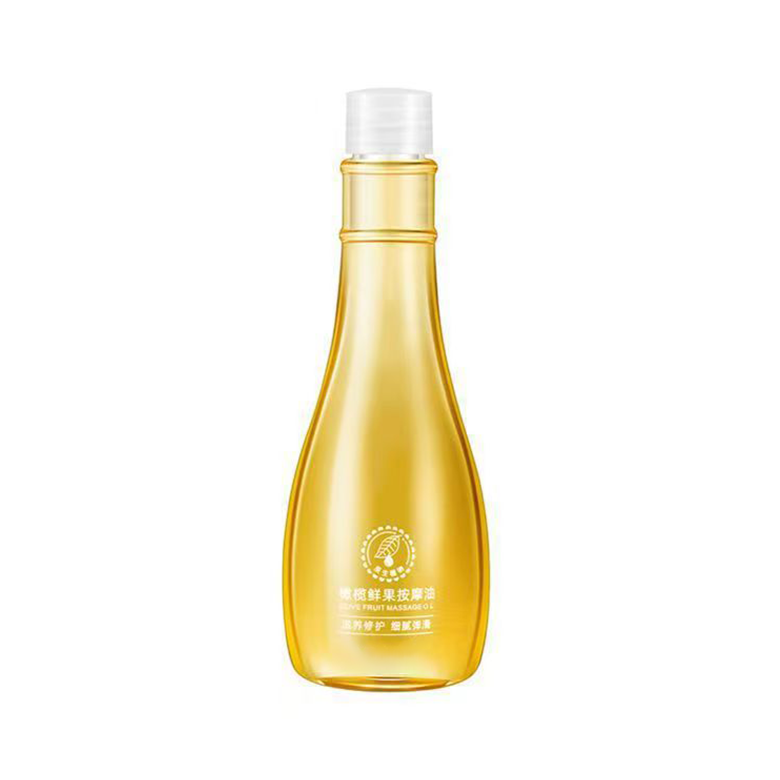
Premium cold-pressed olive essence oil tailored for pregnancy body care
From fast sampling to iterative optimization—aligned to your market and positioning.
Stable production workflow with quality checkpoints for consistency and scale-up.
Packaging options, decoration, labeling/INCI coordination—helping you launch shelf-ready SKUs.
pregnant women care, postpartum repair, sensitive skin friendly, full body use, daily massage
deep nourishment, barrier repair, anti dryness and itch, fade pigmentation, improve elasticity
Pregnant women, postpartum mothers, sensitive skin body care users
Support for domestic pregnancy allergy testing
Testing for moisture retention and elasticity improvements
Routine tests to ensure preservative-free formulations remain safe
Cosmetic claims for baby care, such as 'gentle cleansing' or 'softens skin,' fall under FDA cosmetic regulation, which does not require pre-market approval. Drug claims, like 'prevents or treats diaper rash' or 'antibacterial,' classify the product as an over-the-counter (OTC) drug, subject to FDA drug rules under the FD&C Act. This distinction is critical for compliance, as drug products must meet specific monograph requirements or undergo New Drug Application (NDA) processes. For OEM/ODM projects, we guide clients through claim vetting to avoid misbranding and ensure market entry. In production, formulating for drug claims often involves active ingredients like zinc oxide, which may affect MOQs due to specialized sourcing and stability testing. Sampling for drug claims typically takes 4-6 weeks longer than cosmetics, as we conduct efficacy and safety tests per FDA guidelines. Packaging must include Drug Facts labeling and may require child-resistant features, impacting lead times by 2-3 weeks. We support documentation like ingredient lists, test reports (e.g., microbiological, stability), and FDA registration assistance, but cannot guarantee regulatory approval. Lead time for drug-claim products averages 12-16 weeks from sampling to production, versus 8-10 weeks for cosmetics, due to additional QA checks for potency and purity.
For baby care products in the US market, stability testing is critical to verify product safety, efficacy, and shelf-life under various conditions. We recommend a comprehensive protocol including physical tests for separation and viscosity, chemical tests for pH and active ingredient stability, and microbial tests like preservative efficacy testing (PET) to prevent contamination. Specifically, for baby lotion, we check emulsion stability; for diaper cream, we assess barrier properties and pH; for shampoo, we evaluate foaming and irritation potential over time. This testing typically involves accelerated conditions (e.g., 40°C/75% RH for 3 months) and real-time studies (6-12 months), with detailed reports for your compliance files. Operationally, MOQs for baby care start at 10,000 units per SKU, which determines testing batch size and costs. Sampling for stability adds 4-8 weeks to the timeline, and we use pilot batches to mimic production conditions. Packaging compatibility tests are included to prevent issues like leakage or degradation in tubes or bottles. Lead time from final sample approval to production is 90-120 days with testing integrated. We support all documentation, including test reports and ingredient safety dossiers, but note that regulatory approval is your responsibility; we ensure products meet standard requirements.
Mineral sunscreens use zinc oxide or titanium dioxide to physically block UV rays, making them ideal for babies' sensitive skin due to lower irritation risk, but they can leave a white cast and be thicker. Chemical sunscreens absorb UV radiation, offering higher SPF ratings, water resistance, and a lighter texture, but may cause allergic reactions in some infants. In OEM/ODM production, MOQs typically start at 10,000 units for mineral formulas due to raw material costs, while chemical options can begin at 5,000 units, influenced by ingredient complexity. Sampling takes 4-6 weeks, including formulation tweaks, SPF testing per FDA guidelines, and stability checks for pH and viscosity. Packaging must be child-resistant with features like airless pumps to prevent leakage and ensure safety; we recommend pilot batches to test fill temperature windows and label adhesion. Lead time from RFQ to shipment is 14-20 weeks, with QA gates for microbial hold-time and pigment dispersion. We support compliance documentation, such as CPSIA reports and ingredient disclosures, for US market entry, but cannot guarantee regulatory approval—focus on thorough testing and clear labeling.
We start by selecting ingredients known for efficacy and safety in pregnancy, such as cocoa butter, almond oil, and vitamins, focusing on texture and absorption to avoid greasiness. Formulations are lab-tested for sensorial feel through viscosity control and spreadability panels, ensuring a pleasant user experience. For production, MOQ typically ranges from 3000 to 5000 units per SKU, depending on packaging like pumps or tubes. Sampling takes 4-6 weeks, involving lab samples and pilot batches with stability tests over 3 months to check for separation or microbial growth. Lead time from final approval to bulk production is 8-12 weeks, factoring in raw material sourcing and QA checks. We support with documentation like ingredient safety data and labeling guidance for FDA compliance, but regulatory approval remains the brand's responsibility. Always share your target cost, launch date, and claims to streamline the quote process.
In the U.S. market, best-selling private label mom and baby care products focus on gentle, non-toxic formulations, with high demand for items like fragrance-free baby moisturizers, diaper rash treatments with zinc oxide, and postpartum recovery balms. These products often feature organic ingredients and meet strict safety standards, appealing to parents seeking reliability. For OEM/ODM production, MOQs typically range from 500 to 2,000 units per SKU, depending on packaging complexity, with sampling taking 3-4 weeks for formula adjustments and initial testing. We support compliance documentation for FDA regulations, child-resistant packaging per ASTM standards, and testing for microbial limits and stability. Lead time from order to production is 8-12 weeks, including raw material sourcing and quality checks, and we assist with COA, MSDS, and required certifications to ensure smooth market entry.
For baby care products sold on Amazon FBA in the US, key labeling requirements include FDA-mandated ingredient disclosure in descending order, net weight, manufacturer information, and warnings like 'for external use only'. Amazon also requires scannable barcodes (FNSKU) and child-resistant packaging for items like diaper creams or lotions to prevent accidental ingestion. We handle label design integration into production, ensuring durability and alignment with compliance standards. MOQ guidance starts at 3,000-5,000 units per SKU to balance cost and efficiency. Sampling timeline is 3-4 weeks, including label proof approvals and adjustments for clarity. We support third-party testing for allergens, heavy metals, and microbial safety, providing documentation like Certificates of Analysis. Packaging must account for label adhesion to avoid peeling in transit, especially with air-freight pressure changes. Lead time from final design to shipment is 8-12 weeks, incorporating QA checks for label accuracy and regulatory readiness. We assist with all necessary docs, but recommend you verify specific Amazon FBA policies for updates.
Parent-friendly packaging focuses on ease of use, with ergonomic shapes for one-hand operation, clear labeling for quick identification, and child-resistant closures that meet US safety standards like ASTM D3475. For travel, we incorporate compact sizes, durable materials like HDPE or PET, and secure sealing systems such as double lids or pump locks to prevent leaks during transit. From a manufacturing perspective, MOQ typically starts at 5,000 units per SKU for standard designs, with lower volumes possible for samples. Sampling takes 2-3 weeks after design approval, and we conduct tests like microbial analysis, stability checks, and leak testing to ensure reliability. Lead times are 25-35 days for regular production, but if custom packaging or new molds are required, it extends to 35-55 days. We assist with documentation for FDA registration and compliance, though final approval depends on regulatory review.
As a senior B2B OEM/ODM account manager at LAEYO Labs, I must clarify that the provided data does not contain specific information on the differences between diaper cream, ointment, balm, and paste for baby care. Typically, these terms refer to variations in formulation consistency and intended use in the US market, such as creams being water-based for daily moisture, ointments oil-based for heavy-duty barrier protection, balms wax-based for soothing, and pastes thick with zinc oxide for rash treatment. Without detailed data, I can only offer general manufacturing insights. From an OEM standpoint, MOQ for diaper products often starts at 5,000-10,000 units per SKU, driven by packaging costs and raw material sourcing. Sampling typically takes 4-6 weeks for lab samples, with pilot batches requiring 2-3 months for stability testing, including microbial hold-time and viscosity checks to ensure consistency across humid seasons. We conduct rigorous QA such as pH balance verification, leakage tests under air-freight pressure simulations, and label adhesion assessments to prevent bubbling. For compliance, we support documentation like CPSIA for the US, ingredient safety reports, and stability data, but cannot guarantee regulatory approval without formula review. Packaging options range from tubes to jars, with lead times of 8-12 weeks from final approval, considering factors like pump torque variance and fill temperature windows for ointments. To provide a precise quote, share your SKU list, target price, and launch timeline for tailored support.