

See the factory by live video walkthrough
Book an on-site factory visit in Guangzhou


Natural skin tone correction and oil control for men without visible makeup
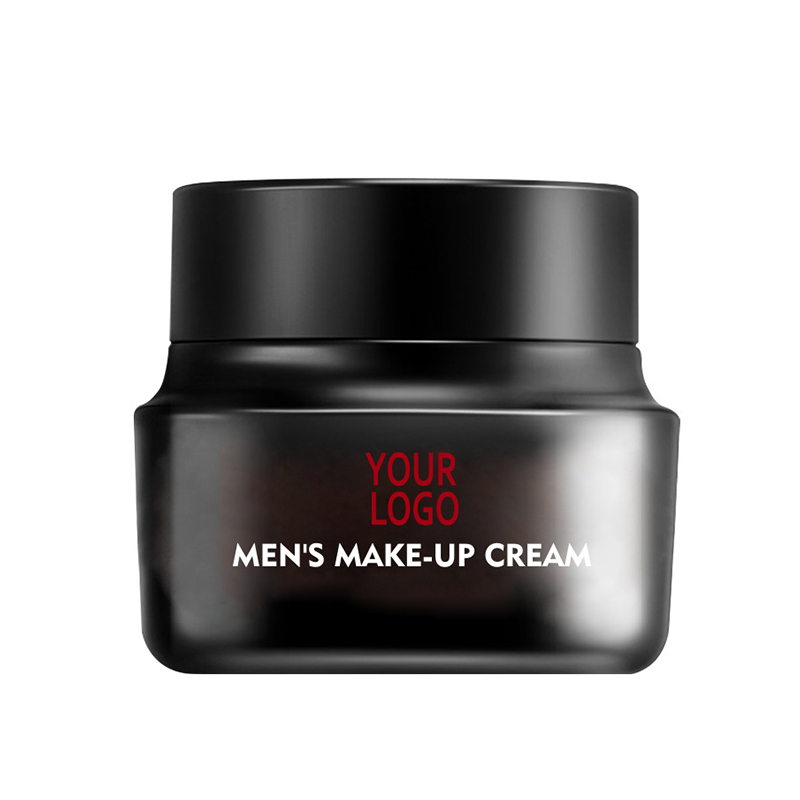
From fast sampling to iterative optimization—aligned to your market and positioning.
Stable production workflow with quality checkpoints for consistency and scale-up.
Packaging options, decoration, labeling/INCI coordination—helping you launch shelf-ready SKUs.
oily skin, dull skin, uneven tone, acne-prone men, daily grooming
natural skin correction, oil control, pore blurring, long-lasting fresh look, non-makeup finish
Adult men seeking a clean, energetic look without makeup appearance
Dermal irritation and sensitivity tests available
Oil control efficacy and coverage duration
Compatibility of formula with packaging under various conditions
In the US market, stick deodorants are favored for their convenience and lower leakage risk, while sprays offer quick application but require pressure container compliance. Roll-ons provide precise control but need robust sealing to prevent drying, and creams are niche with higher formulation stability demands. For B2B sourcing, consider MOQs: sticks typically start at 5,000 units, sprays at 3,000 due to component costs, roll-ons at 4,000, and creams at 2,000 for custom bases. Sampling takes 2-3 weeks for sticks and sprays, 3-4 for roll-ons and creams, including stability checks. Testing must include FDA-aligned microbial and leakage tests, with sprays requiring DOT certification for aerosols. Packaging impacts lead time: standard production is 8-10 weeks, but custom components add 2-3 weeks. We support documentation like CPSR and ingredient lists, but final regulatory approval is your responsibility. Always specify your target cost ($1-3 per unit for mass, $3-8 for premium) and channel (e.g., Amazon FBA requires specific labeling) to optimize feasibility.
To prevent deodorant stick sweating, cracking, or drag, we address formulation balance and packaging precision. Sweating is minimized by adjusting emollient ratios and using humidity-resistant waxes like hydrogenated castor oil. Cracking is controlled through slow cooling cycles during manufacturing to avoid thermal shock. Drag is reduced by fine-tuning stick hardness and ensuring smooth glide mechanisms in the packaging. As an OEM, we set fill temperature windows between 65-75°C and conduct viscosity checks to maintain consistency. Packaging includes torque-tested caps and ergonomic molds to prevent leakage and ensure user-friendly application. For the US market, we perform stability testing under varying humidity and temperature conditions to validate performance. Concrete operational details: MOQ typically starts at 5,000 units per SKU. Sampling timeline is 2-3 weeks for prototypes, with adjustments based on feedback. We support documentation for FDA compliance, such as ingredient listings and safety assessments. Lead time from approval to production is 8-10 weeks, dependent on packaging material availability. We focus on risk mitigation through QA checkpoints rather than guarantees.
The tag in your query is empty, meaning I do not have access to necessary information to provide a detailed answer on reducing returns from pump clogging. As a senior B2B OEM/ODM account manager at LAEYO Labs, I typically handle such issues by analyzing formulation viscosity, pump compatibility, and quality control protocols. For men care products like face wash, MOQ often starts at 10,000 units per SKU, with sampling timelines of 2-4 weeks for initial prototypes. Testing includes pump function checks under various temperatures and viscosity ranges to prevent clogging. Packaging selection, such as airless pumps or anti-clog mechanisms, is critical, and we support documentation for US FDA compliance, like ingredient listings and safety assessments. Production lead time is usually 8-12 weeks after sample approval, depending on order size and complexity. However, without your specific product details, I cannot offer tailored advice. Please provide more information on your formulation, packaging specs, and target cost for accurate guidance.
Packaging defects in men care products, such as shave gels or beard oils, commonly include leakage due to poor seal integrity, pump malfunction from torque variance, and label issues like misalignment or bubbling in humid conditions. These problems can lead to customer returns and brand damage, so early detection is key during sampling and production stages. For MOQ guidance, orders typically start at 5,000 units per SKU, which affects packaging material choices and defect control measures. Sampling timelines range from 2 to 4 weeks for prototypes, allowing checks on fit, function, and leakage risks under simulated shipping conditions. Testing and documentation support includes leakage tests under pressure, microbial hold-time assessments for preservative efficacy, and stability studies to ensure product integrity. We assist with US compliance docs like FDA OTC monographs or EPA registrations for antimicrobial claims, but do not guarantee approval. Lead time from order to shipment is 6-8 weeks, encompassing production, QA inspections, and packaging assembly to minimize defects like container cracks or label peeling.
Selection starts with your product. High-viscosity beard balms need wide-mouth jars or screw caps, while serums require droppers or metering pumps. For shaving gels or liquid soaps, we evaluate foamers or lotion pumps based on desired output and feel. We then cross-check this with the user journey—does your customer need single-handed operation, travel lock features, or a premium tactile feel? A common mismatch is using a fine-mist spray on a thicker aftershave, leading to clogging. Finally, we validate all components (cap, pump, bottle) for material compatibility through compatibility tests to prevent cracking or leaching. For production, your MOQ is driven by the custom tooling for closure mechanisms; standard pumps start around 10k units, while fully custom designs require 50k+. Sampling takes 2-3 weeks once components are sourced. Key US compliance includes ensuring pumps for restricted products (like certain hair growth serums) meet CPSC child-safety closure standards, and aerosols undergo VOC testing. We support with all necessary component documentation and compatibility test reports.
To prevent leakage in beard oil droppers and pump bottles during shipping, we implement a multi-step quality assurance protocol starting from design to final packaging. This includes pressure testing each batch to simulate air freight altitude changes and seal integrity checks for dropper caps and pump mechanisms, ensuring they can handle temperature shifts during transit. We also use torque testing for pump bottles to verify closure tightness and conduct fill-level audits to avoid overfilling, which reduces leakage risks from product expansion. For sampling, we recommend a 2-3 week timeline to test prototypes under real shipping conditions, with MOQ guidance typically starting at 5,000 units per SKU to justify custom tooling for secure seals. During production, we perform leakage tests at different temperatures to account for oil viscosity variations and use secure secondary packaging like foam inserts to minimize movement. Lead time from order to shipping is 6-8 weeks, including time for these QA steps and compliance documentation. For the US market, we support documentation such as FDA facility registration and product safety testing reports, but final regulatory approval remains the brand's responsibility. We ensure all packaging meets standard drop-test requirements and provide certificates of analysis for traceability.
Sample development for men care products, such as shaving creams or beard oils, usually takes 2 to 4 weeks from initial brief to sample delivery. This timeline can vary based on factors like formulation complexity, raw material availability, and packaging customization needs. For instance, custom pump or bottle tooling can add 1-2 weeks, while stability testing for active ingredients may require additional time. Key drivers include: formulation stability and microbial testing, which are critical for US FDA compliance; packaging fit and leakage prevention checks, especially for airless pumps or sprays; and documentation support for ingredient safety assessments. We recommend sharing detailed specs early, including target cost, SKU size, and market claims, to avoid delays. At LAEYO Labs, we guide on sample MOQ (typically 50-100 units) and lead time gates. Post-sample approval, production lead time is 4-6 weeks, depending on order volume and packaging sourcing. We assist with testing protocols and compliance docs, but do not guarantee regulatory approval—brands should plan for extra time for third-party certifications or label reviews.
Packaging compatibility testing is a quality assurance process that evaluates how packaging components, such as bottles, caps, or tubes, interact with men's care products like shaving gels, beard oils, or face washes. This testing checks for chemical migration, physical changes, seal integrity, and stability under various conditions to prevent product degradation, discoloration, or safety risks. For the US market, it's crucial to align with FDA guidelines and industry standards like CTFA, ensuring consumer safety and compliance. The ideal timing is during the sampling stage after finalizing packaging design but before pilot production; this allows for adjustments if tests reveal incompatibilities, avoiding costly delays or recalls later. From an OEM/ODM perspective, factors like MOQ (Minimum Order Quantity) influence testing scope—for instance, MOQs starting from 3,000 to 5,000 units may include basic compatibility tests in sampling fees, while higher volumes require more comprehensive checks. Sampling timelines typically take 2 to 4 weeks for compatibility testing, depending on the product type and packaging complexity. Required documents include test reports, material safety data sheets (MSDS), and certificates of analysis, which we support by facilitating third-party lab testing if needed. Packaging choices, such as PET bottles for liquids or airless pumps for creams, must be validated through accelerated stability tests that simulate shelf life and storage conditions. Lead times for production can extend by 1 to 3 weeks if testing identifies issues, so early planning is essential to meet launch dates. We assist buyers by providing documentation support and testing coordination to streamline US market entry, focusing on practical steps like pre-shipment inspections and humidity resistance checks for reliable outcomes.