

See the factory by live video walkthrough
Book an on-site factory visit in Guangzhou


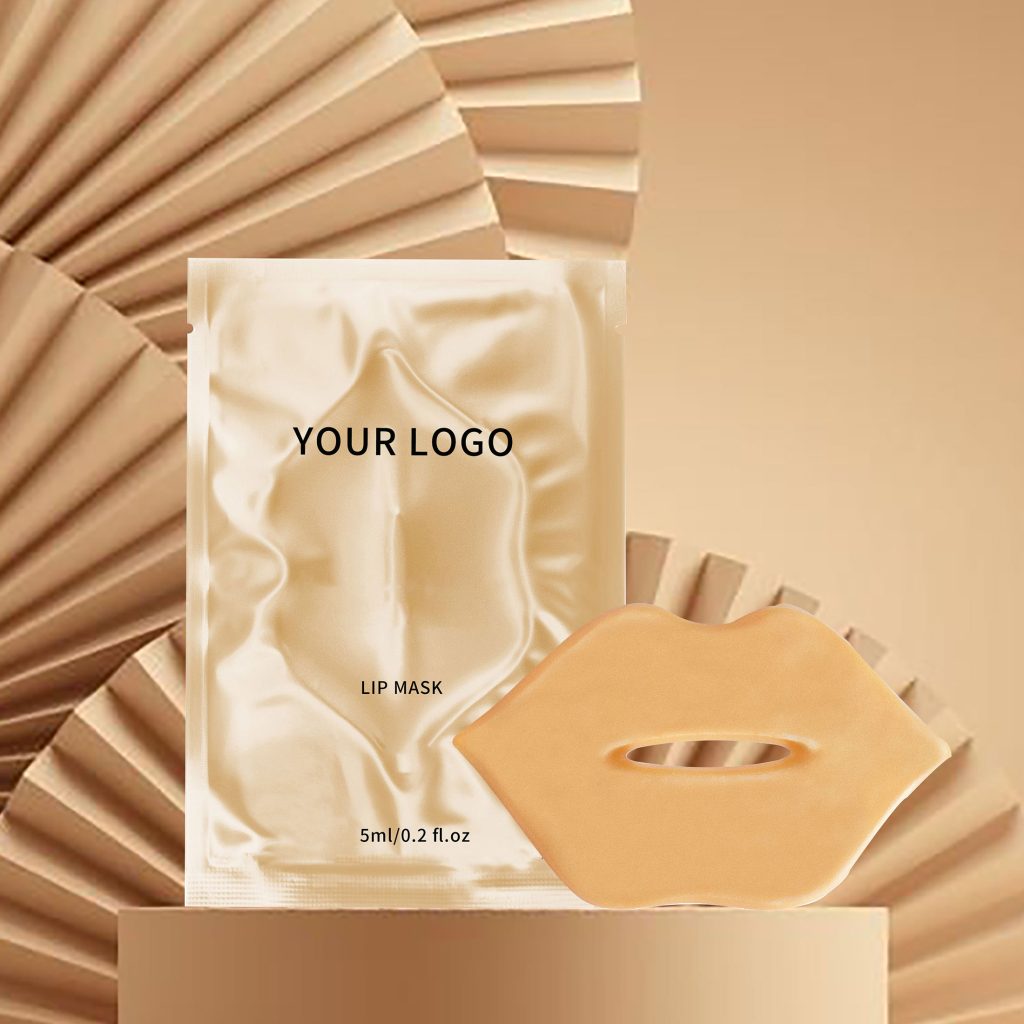
Collagen-infused crystal pad lip mask for deep hydration and anti-aging care
From fast sampling to iterative optimization—aligned to your market and positioning.
Stable production workflow with quality checkpoints for consistency and scale-up.
Packaging options, decoration, labeling/INCI coordination—helping you launch shelf-ready SKUs.
dry lips, overnight care, collagen skincare, anti-aging treatment, daily lip repair
deep hydration, wrinkle reduction, firming effect, smoothing texture, youthful plumping
Adults seeking intensive lip hydration and anti-aging benefits
Ensures product safety and compliance with cosmetic regulations
Validates shelf life and performance over time
Confirms skin compatibility and minimizes irritation risk
In the Middle East, lip care product bundles that perform best in e-commerce channels typically feature SPF protection and intensive hydration, addressing the dry, sunny climate. Popular bundles include lip balm with exfoliating scrub or tinted lip oil with overnight repair mask, which encourage upsells and repeat purchases. For OEM/ODM production, minimum order quantities (MOQs) usually start at 5000 units per SKU, but can be adjusted based on packaging complexity and formula customization. Sampling timelines are 2-3 weeks for initial prototypes, with revision samples available in 1-2 weeks upon feedback. Testing and documentation are critical for compliance; we recommend Halal certification, SPF efficacy testing if claims are made, and stability tests for high temperatures. We can support all necessary documentation, including Certificates of Analysis (CoA) and safety data sheets, but final regulatory approval is the brand's responsibility. Packaging must be leak-proof and durable, using materials that withstand heat up to 50°C during storage and transit. Lead time from order confirmation to production completion is 6-8 weeks, with faster options for standard bundles. By focusing on these elements, brands can launch successful lip care bundles tailored to Middle East e-commerce demands.
For GCC markets like Saudi Arabia and UAE, carton design must have all consumer-facing information in Arabic alongside English, including product name, ingredients, and usage instructions. Barcodes should be EAN-13 for regional retail compatibility, with batch codes and expiry dates printed in DD/MM/YYYY format visibly on the packaging. This bilingual requirement affects MOQ, as carton printing typically starts at 3000-5000 units to justify custom design costs. Sampling for carton approval takes 2-4 weeks, including mock-ups and compliance checks for text accuracy and regulatory alignment. We assist with testing for barcode scannability and durability under humid conditions, common in the Middle East, to prevent label damage. Lead time adds 1-2 weeks for carton production versus standard packaging, plus documentation support for market entry, but we cannot guarantee regulatory approval. Ensure design files are provided in vector format to avoid rework and delays.
Start with a detailed RFQ including target market regulations, SKU formats, and packaging direction to align expectations. We recommend a phased approach: first, lab dips for color and formula consistency; second, functional prototypes for texture and application; third, pre-production samples with final packaging. This reduces rework by catching issues early, such as pigment settling or leakage risks from high temperatures common in the Middle East. Key details include a sampling MOQ of 50-100 units per variant to balance cost and feasibility, a timeline of 3-4 weeks from approval to sample delivery, and mandatory testing like stability at 40°C and microbial checks. For the Middle East, we can support documentation such as Certificates of Analysis (COA), ingredient lists compliant with GCC standards, and assistance with halal certification if needed, though final regulatory approval depends on local authorities. Packaging must account for climate: use leak-proof seals, UV-resistant materials, and validate fill levels under pressure changes from air freight. Plan lead time gates: 1-2 weeks for formulation adjustments, 1 week for sampling production, and buffer time for feedback loops. Always request sample documentation upfront to avoid delays in later stages.
In the Middle East, high temperatures often cause lip balm deformation, so packaging choice is critical. Tube packaging (e.g., laminated or rigid tubes) and stick formats with higher-melting-point waxes are recommended, as they resist softening better than pots or squeeze tubes. We use materials like HDPE, PP, or PET with UV stabilizers to maintain integrity up to 50°C, and our MOQ for such custom packaging starts at 5,000 units per SKU, with sampling taking 3-4 weeks including stability checks. Production lead time is typically 8-10 weeks after approval, factoring in hot-fill process controls to prevent leakage and post-cooling inspections. For compliance, we conduct thermal cycle testing (e.g., storage at 45°C for 30 days) and provide documentation like test reports and material safety data sheets (MSDS) tailored to Gulf standards. Avoid guarantees on approvals, but we assist with documentation for markets like the UAE or Saudi Arabia. Key details: MOQ drivers include material costs and mold fees, sampling involves pilot batches for heat resistance, and packaging must fit automated filling lines to reduce rework from viscosity shifts in heat.
Without specific data on pigment preferences for the Middle East market, I must clarify that colorant selection is highly dependent on local regulations, consumer trends, and product claims. Common pigments in cosmetics include iron oxides, titanium dioxide, and organic dyes, but for the Middle East, compliance with Gulf Standardization Organization (GSO) standards and halal certification may influence choices. We can assist by reviewing your color specifications and performing necessary testing to ensure safety and regulatory alignment. For a tinted lip balm project, our typical MOQ starts at 10,000 units per SKU, which can vary based on pigment complexity and packaging. The sampling timeline usually takes 4-6 weeks for initial prototypes, involving formulation adjustments to achieve desired shades and consistency. Testing requirements include skin irritation tests, heavy metal content checks, and stability assessments under high temperatures, as Middle East climates can affect product performance. Packaging must be designed to prevent leakage or color fading in heat, with materials like durable tubes or pots. Lead time from final approval to mass production is 8-10 weeks, including quality control checkpoints like viscosity and pigment dispersion tests. We recommend providing your target price band and launch date to streamline the process. Our factory can support documentation for regulatory submissions, but final approval depends on local authorities. Ensure to share any existing certifications or market-specific claims to avoid delays.
Leakage and breakage risks for lip care products during air freight to the Middle East primarily stem from extreme temperature variations and cabin pressure fluctuations. These can cause components like lip balm tubes or jars to expand, contract, or crack, leading to product loss or contamination. To address this, we recommend using high-barrier packaging materials, such as laminated tubes with secure caps, and conducting pre-shipment vibration and thermal shock tests. For instance, testing at temperatures from -10°C to 50°C simulates desert climate extremes, while pressure testing at altitudes up to 12,000 feet ensures seal integrity. Always include desiccant packs for humidity control, as Middle Eastern conditions can exacerbate moisture-related damage. In production, we set MOQs based on packaging complexity—typically 5,000 to 10,000 units per SKU to justify custom seals. Sampling for such packaging takes 2-3 weeks, including leak tests with fill weights monitored for consistency. Lead time from order to shipping is 6-8 weeks, factoring in compliance docs like GCC certifications for the UAE. We support clients with documentation and testing protocols, but final regulatory approval depends on local authorities. For specific risks, share your packaging specs for a tailored assessment.
As a senior account manager at LAEYO Labs, I specialize in lip care OEM/ODM for the Middle East market. However, without access to specific project data, I cannot provide tailored advice. Typically, achieving luxury-looking packaging involves using high-quality materials like glass or metal components, which can affect MOQs and lead times. For instance, custom molds for unique designs might require higher MOQs, often starting at 5,000 to 10,000 units per SKU. Sampling can take 4-6 weeks, including design approval and material sourcing. Compliance with Middle East regulations, such as GCC standards, requires specific testing for ingredients and packaging safety. Lead time from production to shipping is usually 8-12 weeks, depending on complexity. To control costs, consider standard packaging components with premium finishes. I recommend sharing your exact requirements for a precise quote, including target price, packaging sketches, and certification preferences like Halal or ISO. Our team can then assist with formulation, testing, and documentation to meet your launch timeline.
Selecting a signature scent for lip care in the Middle East requires focusing on subtle, natural aromas that suit cultural tastes and dry climates. Popular choices include rose, jasmine, or vanilla, which are perceived as soothing and luxurious. As your OEM partner, we begin by reviewing your brand brief to understand target demographics and market positioning, then propose 2-3 scent options from certified fragrance suppliers. Sampling typically takes 2-3 weeks after direction confirmation, with MOQs starting at 5,000 units per SKU for custom scents, adjustable based on oil concentration and supplier terms. We conduct in-house stability tests (e.g., heat/cold cycles) to check scent retention and formula compatibility, and can support skin patch testing for safety validation. For compliance, we assist with documentation for Halal or GCC standards, though final regulatory approval depends on local authorities. Packaging must be airtight, such as tubes or jars with secure seals, to prevent scent evaporation during storage and humid conditions. Lead time from sample approval to production is 6-8 weeks, factoring in testing phases and bulk fragrance sourcing. Our R&D team refines scents through iterative feedback, ensuring they meet your cost and quality targets while minimizing reformulation risks.