

Call(WhatsApp Us)
+8615360806100Email Us
cherry@laeyo.comSee the factory by live video walkthrough
Book an on-site factory visit in Guangzhou
Call(WhatsApp Us)
+8615360806100Email Us
cherry@laeyo.com广州市花都区花山镇华辉路18号
微观化妆品创意产业园E栋整栋

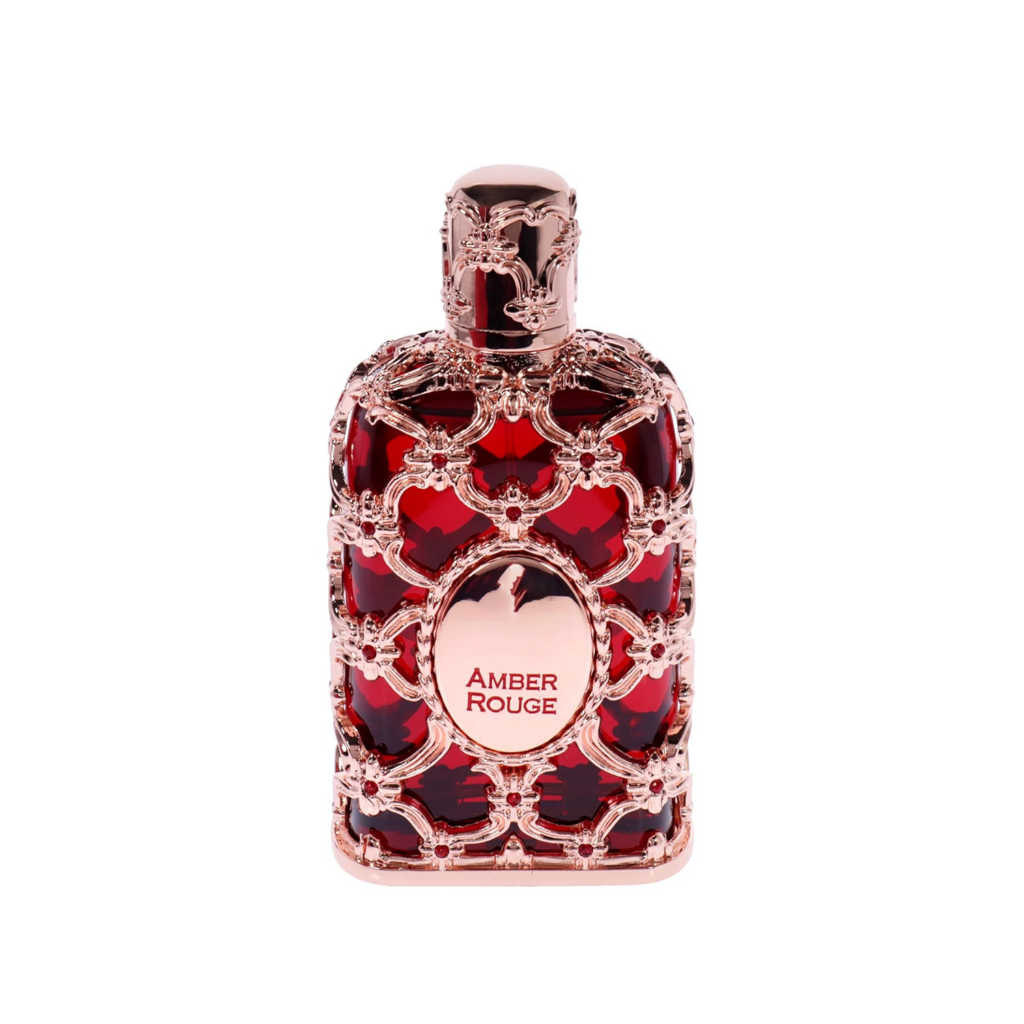
Oriental amber artistry for confident, independent souls
From fast sampling to iterative optimization—aligned to your market and positioning.
Stable production workflow with quality checkpoints for consistency and scale-up.
Packaging options, decoration, labeling/INCI coordination—helping you launch shelf-ready SKUs.
unisex fragrance, daily wear, evening events, special occasions
warm amber notes, oriental spices, soft resins blend, long lasting aroma
Unisex; suitable for age 20+
Evaluate scent profile over defined storage conditions.
Ensure formula integrity with selected packaging materials.
Verify adherence to IFRA and local regulations
For Kuwait and GCC retail, start with a tight discovery set: 4 to 6 vials at 2 ml to 5 ml, built around Oud, Amber, Musk, Rose, Vanilla, Saffron, Leather, or Incense. Keep one extrait or attar option for layering, since GCC buyers understand projection and sillage. Sampling typically runs 7 to 15 days once scent direction and vial format are confirmed. MOQ is driven by vial type, filling method, and gift box structure; stock vials with printed labels keep initial runs lower than custom molded formats. Packaging is the main engineering risk. Specify glass or thick PET vials, sealed crimp or screw closures, and a rigid insert that stops movement in transit. Test for leakage under air-freight pressure changes, and check label adhesion in high humidity. Run heat stability at elevated temperature before shipping, because GCC summer storage and mall displays expose sets to sustained heat. Confirm sprayer or dropper torque and pigment or fragrance dispersion consistency across fills. Provide artwork, barcode, batch coding, and market details early so we can prepare documentation. We can support testing and documentation packages for GSO 1943:2024 and SFDA notification requirements, but registration and approval remain with you and your local agent. Plan 25 to 40 days for production plus shipping after sample approval, and book gift-box capacity ahead of Ramadan and Eid.
For a multi-scent brand in Saudi Arabia, start with a sell-through review by scent and size, then split the range into A (repeat winners), B (steady), and C (test/limited). Reorder A at 4-6 weeks of cover, B in consolidated slots, and C only after a documented sell-through threshold. This protects cash while keeping shelf presence. MOQ is driven by bottle, cap, and pump tooling, not fragrance alone. Where possible, share one stock bottle and closure family across scents to combine orders. Typical MOQ guidance is 1,000-3,000 pcs per SKU for stock components; custom bottles move the threshold. Keep a 10-15% buffer on pumps and caps because color and electroplating batches can vary. Lock fragrance approval and packaging artwork before reorder. Lab sampling usually takes 10-15 working days after a clear brief; production is commonly 25-35 days after sample approval and component readiness. For Saudi heat, run high-temperature stability and leak checks, and verify sprayer torque and label adhesion in humid conditions. Prepare SFDA notification and GSO 1943:2024 documentation early; we can support testing and documents but cannot guarantee approval. Build a reorder calendar around Ramadan, Eid, and National Day, with air-freight pressure leakage checks.
Compare EXW, FOB, CIF and DDP on landed cost, customs control and risk transfer, not on the headline freight rate. EXW leaves export clearance and the Guangzhou-to-port leg to you; FOB adds export clearance and delivery to the named port; CIF adds sea freight and insurance but risk still transfers at origin; DDP puts UK duty, import VAT and entry filing on the shipper and hides the entry documents from you. Fragrance terms also interact with dangerous goods rules. Alcohol-based EDP is UN1266 Class 3, so air and sea rates shift with packing group, UN-approved cartons and limited-quantity limits. A CIF or DDP rate that ignores DG surcharges is usually re-priced at booking, which is where launch dates slip. Typical gates: 7 to 15 days for a stock-scent sample with your label; MOQ 1,000 to 3,000 pcs for a 50 ml EDP in a stock bottle; 25 to 35 days bulk production; then 30 to 45 days sea or 5 to 8 days air. We can support CPSR and IFRA documentation, MSDS, fill-weight records and DG packing declarations; the UK importer still owns the UK Responsible Person and SCPN submission. Rule of thumb: FOB when you have a forwarder and want cost control; DDP for small trial orders where speed matters more than margin visibility.
For UK perfume imports, compare door-to-door landed cost, not just the freight rate. Alcohol-based fragrance is usually UN1266 Class 3 dangerous goods, so air quotes need IATA DGR packing, limited-quantity limits and DG fees; sea quotes need IMDG handling plus port and customs charges. Air transit is often 5-10 days plus DG clearance; sea is typically 30-45 days port-to-port plus UK customs. Match mode to MOQ and launch. Air makes sense for 100-500 units, samples or urgent Amazon replenishment; sea is more cost-effective from roughly 1,000 units or full pallets. Sampling and approval typically take 7-15 business days after formula and pack specs are confirmed; allow stability and microbial hold time before shipping. Packaging risk differs. Air pressure changes can cause pump weeping or leakage, so request crimp torque checks, leak testing and secondary containment. Sea heat and humidity can bubble labels or deform cartons; use humidity-resistant adhesive and desiccant where suitable. We can support SDS, COA, GHS labels, DG declarations and UK/EU compliance documentation and testing, but final regulatory approval remains with your responsible person. Plan 2-4 weeks buffer for customs and DG checks.
Choose concentration by channel and price tier, not by name alone. In Dubai, extrait de parfum usually sits at 20-30% fragrance oil for prestige/niche launches; EDP at 15-20% gives broader mall and e-commerce reach; attar/oil formats support layering. Higher oil load can feel richer in heat but may affect spray performance, clogging, and cost, so validate oil solubility, ethanol grade, color, and stability before locking the formula. Plan sampling for 7-10 working days after a complete brief, with two rounds for heat/wear and packaging compatibility. MOQ commonly starts at 1,000-3,000 pcs per SKU for 50/75/100 ml; 500 pcs may be possible with surcharge. Test pump torque, leakage under air-freight pressure, and label adhesion in humid conditions. We can support stability, compatibility, microbial, IFRA and CPSR documentation, plus GSO 1943:2024-related files; we do not guarantee regulatory approval. Production lead time is typically 25-35 days after approved sample, artwork, and documents, before shipping. For a Dubai extrait launch, lock concentration, fill size, pump, and compliance route early, then confirm target retail price band and launch date so MOQ and packaging can be quoted correctly.
For Gulf consumers, layering works best when you sell a spray base and an oil accent as a matched pair. Typical builds are 50/75/100 ml EDP or Extrait plus 6-30 ml attar oil, with oud, amber, musk, rose, vanilla, leather, incense and saffron accords designed to sit together. Keep the oil and spray in the same scent family so buyers can combine them without clashing. Run a focused sampling round first: submit your reference scents, target concentration and 2-3 layering combinations. We can develop oil and spray versions in parallel, then send samples for your wear test in Gulf conditions. Expect roughly 2-3 weeks for initial samples after brief confirmation, with revisions adding time. Check projection and sillage on skin, not just on paper. Engineering matters as much as scent. High heat affects viscosity and fill temperature, alcohol-based sprays need seal and sprayer checks, and electroplated caps plus gift boxes must survive humidity and shipping. We can support stability, compatibility and microbial testing and prepare documentation for your chosen GCC market; final regulatory review sits with your local partner. MOQ guidance: plan 3,000-5,000 units per SKU for standard sprays and lower volumes for oil formats, depending on bottle and cap tooling. Order production after sample approval, and allow 25-35 days for bulk plus packaging lead time for custom boxes.
Yes, a custom perfume formula can be carried into body mist or perfume oil, but we do not treat it as a dilution exercise. A body mist needs its own fragrance load and alcohol or aqueous-alcohol system so the top notes survive spraying and the scent does not turn thin or harsh. A perfume oil needs a carrier such as a suitable ester or oil base, and we run solubility and stability checks because some fragrance materials cloud or separate at higher concentration. Expect separate sampling: typically 7-10 working days per format after brief confirmation, with a stability and compatibility check before pilot. MOQ guidance: 500-1,000 units per SKU per format for stock bottles with labels, higher if you need custom tooling or a custom pump. We support EU documentation, including IFRA conformity, CPSR support, allergen declaration, and batch-level CoA; final Responsible Person and notification remain your route to confirm. Packaging matters: pump output, spray angle, and bottle neck fit are validated on the actual format. Plan 25-35 days production after sample approval, plus shipping.
Treat sample approval as a controlled dossier, not an email yes. For EU launches, record the date, signer, approved use (EDT/EDP/extrait), SKU size, and the physical benchmark sample made with the real alcohol/base, bottle, pump, cap and filling line. Keep the signed sample in a sealed reference cabinet and photograph it under defined light. Lock the fragrance identity: supplier, internal code, concentrate batch/version and document version. Lock the exact finished-formula version in which that concentrate is dosed, not only the concentrate spec. Add sensory standards at bottle, wet, dry-down and skin time points plus an allowed color range and T0 stability trend. Attach IFRA compliance, allergen declaration and EU CPSR/PIF support documents; we can support documentation/testing but final regulatory approval remains with your responsible person. Set a change-control rule: any change of fragrance supplier, version, raw material, solvent or production site triggers reapproval. Sampling usually runs about 10-15 working days after brief and stock packaging confirmation; plan MOQ around fragrance-oil minimum, bottle/pump MOQ and filling run. Production lead time starts after golden sample, artwork and documents are approved, so keep approval records versioned and dated.