Call(WhatsApp Us)
+8618988990383Email Us
postmaster@laeyolabs.com广州市花都区花山镇华辉路18号
微观化妆品创意产业园E栋整栋
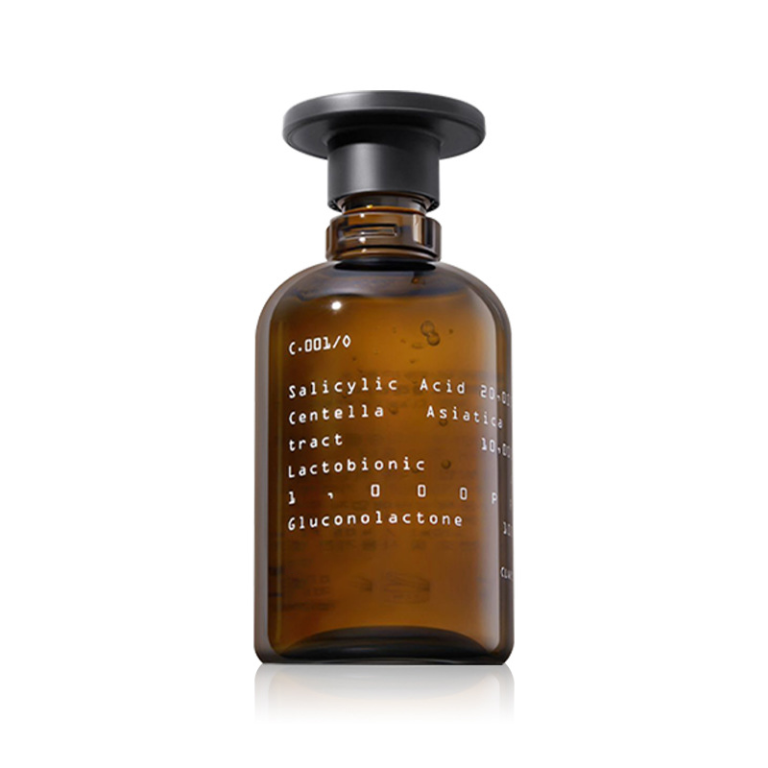
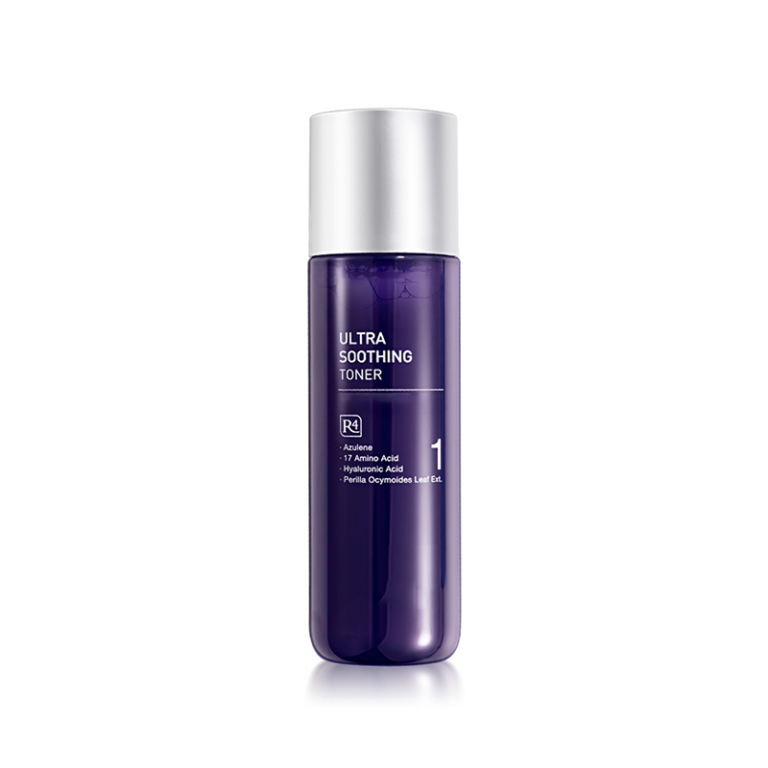
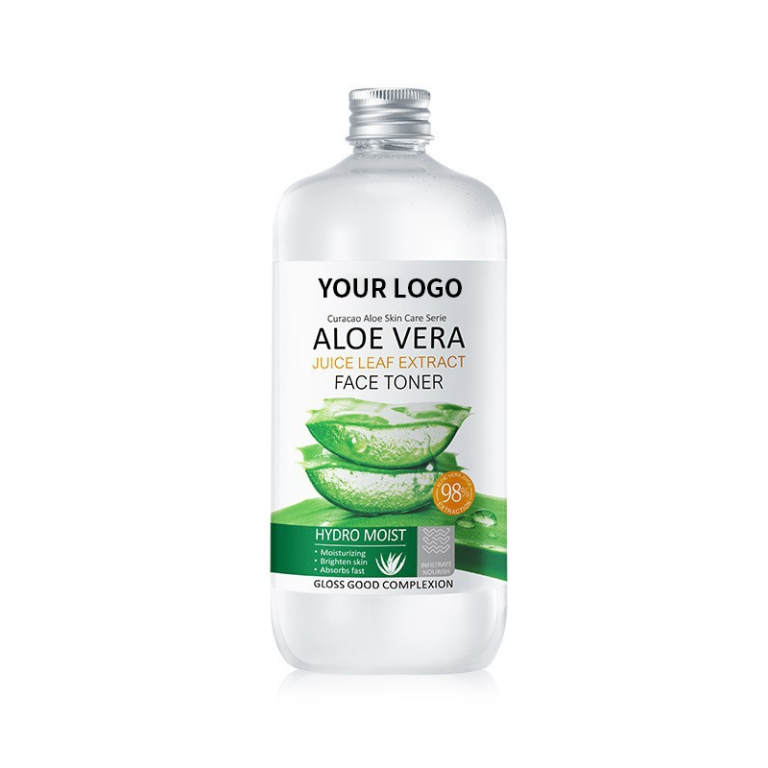
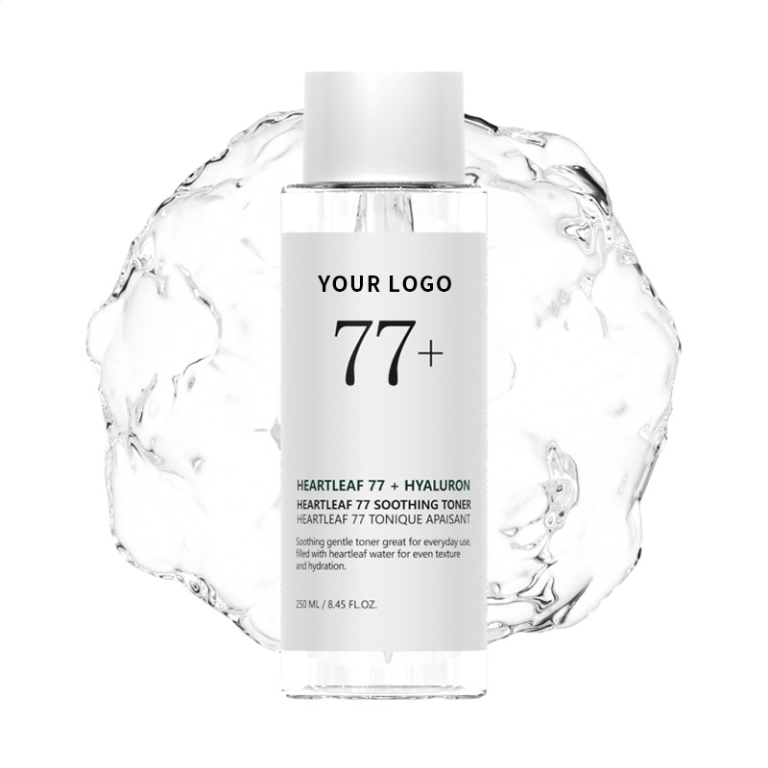
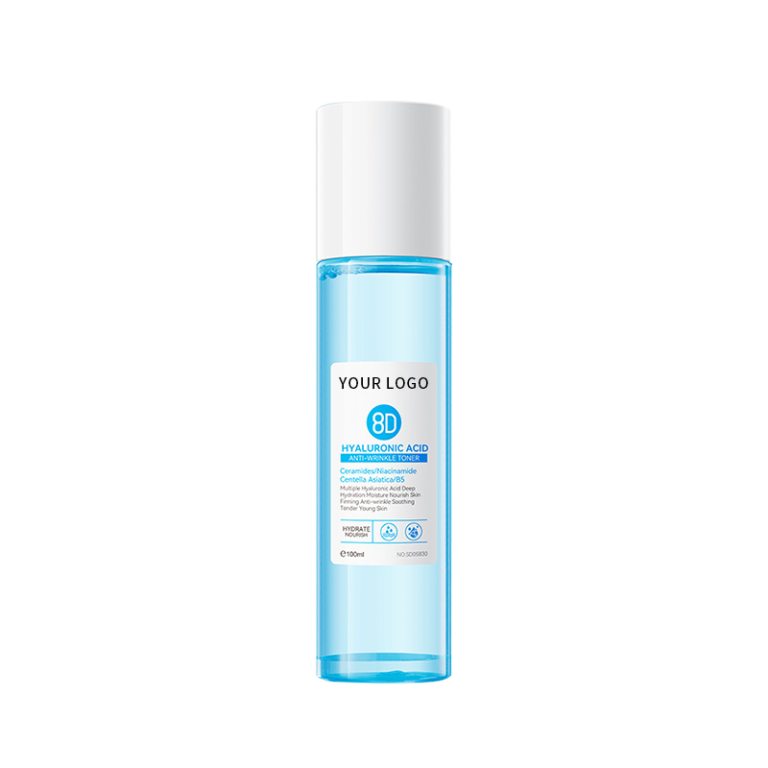
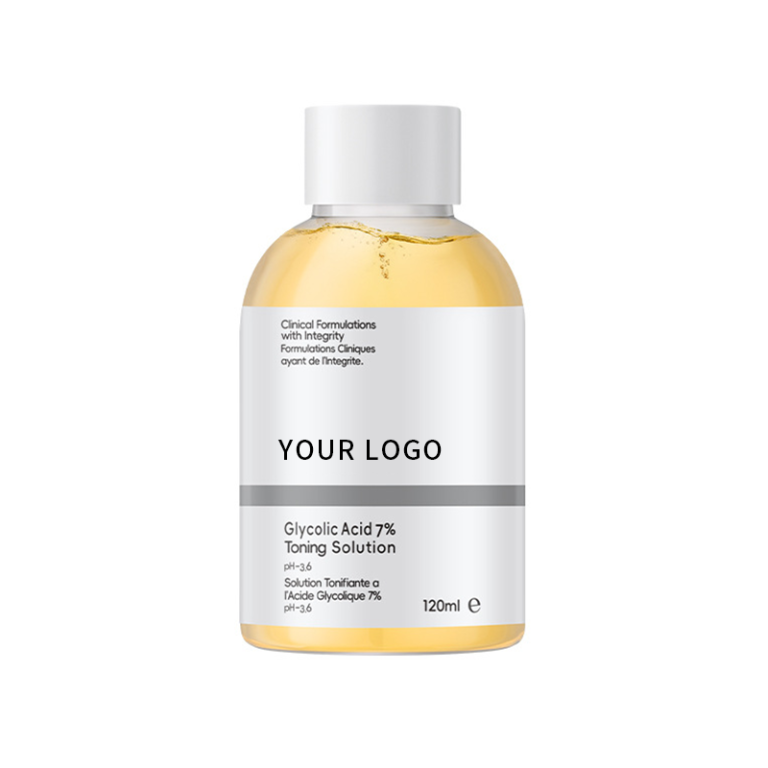
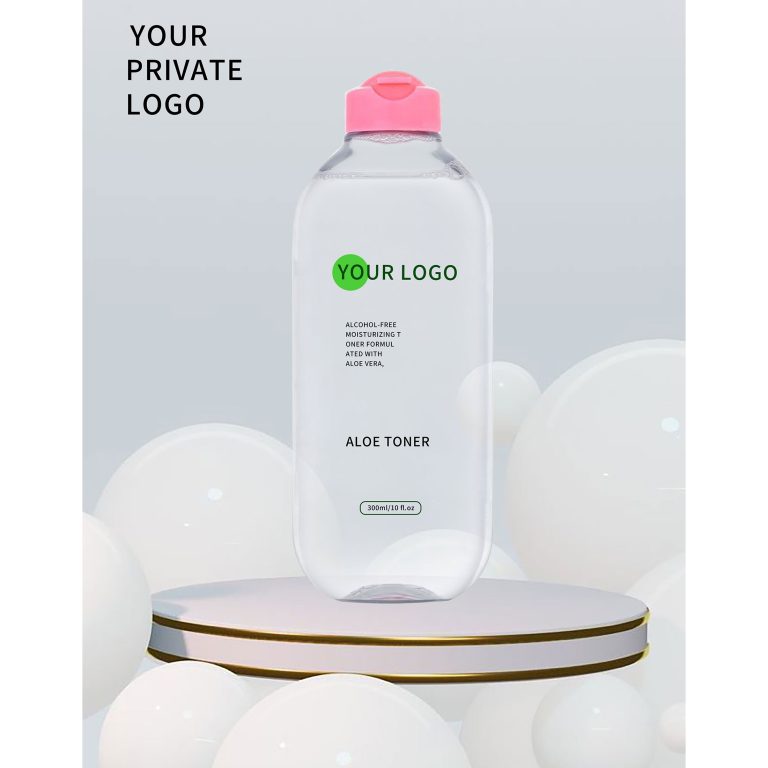
Compare private label face toner options by type—hydrating, soothing, and gentle exfoliating (AHA/BHA/PHA). Align finish (watery vs essence), alcohol-free positioning, and packaging (bottle/pump/spray) before sampling.
This category is easier to buy because there are two clear paths: one is high-frequency repeat purchases to drive volume, and the other is premium-priced differentiation with higher margins.
Private-label Face Toner customization in various forms, dosages, and types is what Laeyo Company does best.We offer OEM Face Toner products in a broad range of formulations, packaging, and ingredients.Also, we have a strong packaging supply chain to provide the widest range of packaging customized services for your Face Toner.
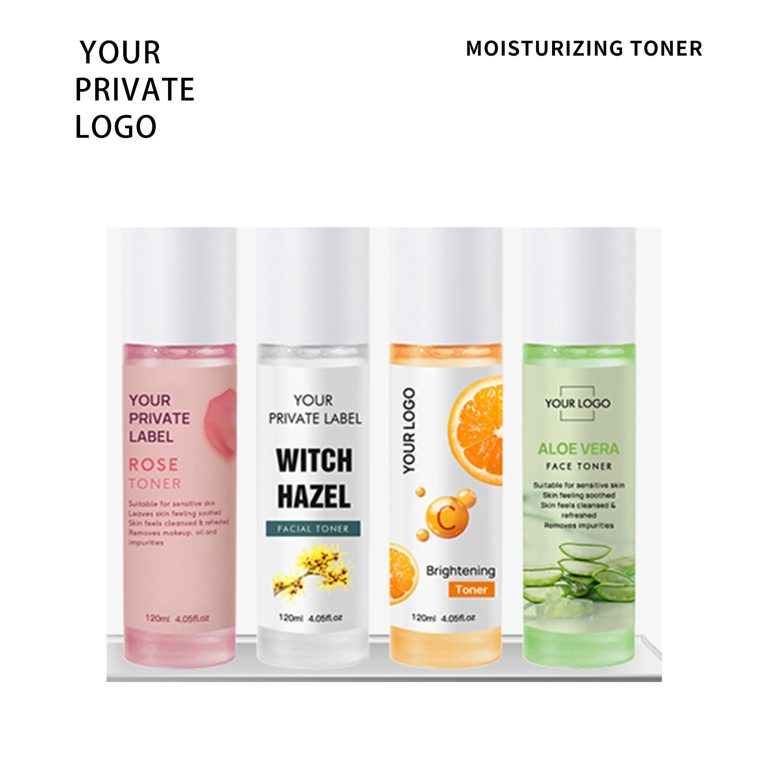
Many buyers search by shopping motivations and use-cases. Use this shelf to define your line architecture (hero SKU + variants).
Start with samples that match how you sell. You can choose a single Face Toner product line (for example, a daily repair bestseller for volume), or build a premium Face Toner collection. — we’ll propose 2–3 formula routes per SKU,We ensure that every Private Label Face Toner with unique formulations will stand out.
We make it easy for you to build your brand by providing a one-stop solution to your private label OEM/ODM production.
risk → MOQ/timeline → margin → performance → packaging/listing → supply support.
If you share the specs below, we can recommend the right base formula routes and component plan — then confirm MOQ and lead time with fewer iterations.
| Spec area | What buyers typically specify | Packaging / component notes | Common pitfalls to avoid |
|---|---|---|---|
| Track and channel | DTC, Amazon FBA, or retail shelf placement | Consider pump vs. spray for e-commerce vs. retail | Not aligning packaging with channel requirements |
| Target customer and positioning | Skincare enthusiasts, sensitive skin, or acne-prone | Match packaging aesthetics to brand positioning | Unclear target audience leading to mismatched specs |
| Format and texture | Lightweight mist, viscous serum, or refreshing gel | Bottle material affects texture perception | Overlooking texture impact on application method |
| Performance and sensory targets | Instant hydration, mattifying, or pH balancing | Spray mechanism affects even application | Vague performance goals delaying formulation |
| Scent or fragrance direction | Unscented, herbal, or light floral notes | Fragrance stability varies by packaging material | Strong scents conflicting with sensitive skin claims |
| Variant strategy | Day/night versions or skin concern-specific lines | Color-coding caps for easy variant identification | Too many variants increasing complexity and cost |
| Ingredients to include / avoid | Hyaluronic acid for hydration, avoid alcohol | Ingredient compatibility with packaging materials | Last-minute ingredient swaps affecting stability |
| Packaging components and decoration | Glass bottle with dropper or plastic with spray | Decoration method impacts minimum order quantity | Overdesigning beyond budget or MOQ constraints |
| Label copy inputs and required warnings | Key claims, directions, and allergen disclosures | Label size constraints based on container shape | Missing mandatory warnings causing compliance delays |
| Quality expectations and acceptance criteria | No separation, clear solution, consistent viscosity | Batch testing protocols for color/scent uniformity | Unclear pass/fail criteria leading to rejections |
MOQ is a structure, not a single number. The fastest path is usually stock components + staged launch (1–2 hero SKUs).
| Scenario | SKUs | Packaging | Typical MOQ (per SKU) | Typical timeline |
|---|---|---|---|---|
| Pilot launch (fastest) | 1–3 | Stock components | 1,000–3,000 units | 4–6 weeks |
| Amazon-ready | 3–6 | Stock + light customization | 2,000–5,000 units | 6–10 weeks |
| Retail rollout | 6+ | Custom packaging + full plan | 5,000+ units | 10–16+ weeks |
Lead time milestones: formula sample → fragrance match (optional) → packaging mockup → PP sample → mass production.
Packaging and transport risk often drive timeline and landed cost. Align format + component direction early to avoid leakage and fulfillment issues.
Common extensions:Hydrating Toners,Soothing Toners,Pore Refining Toners,Exfoliating Toners,Travel Size Toners,Toner Sets(Confirm feasibility with your channel requirements.)
As a private-label Face Toner manufacturer, Laeyo has a team of experienced and certified engineers, designers, sales consultants, and a production team who have been engaged in the research and development of different body care products. We also have the ability and equipment to conduct advanced testing, production, and packaging. After all, our goal is to make your ideas a reality.
Each guide answers one question procurement teams typically validate before issuing an RFQ. Use them as quick checklists to scope requirements, compare suppliers consistently, and avoid rework that slows quotes and timelines.
ISO 22716 sets the internationally recognized Good Manufacturing Practice (GMP) guidelines for cosmetics manufacturing, ensuring products are consistently produced and controlled to quality standards.…
In skincare manufacturing, “GMP” is more than a certificate on a wall—it’s the daily discipline of recorded evidence, controlled processes, and auditable product release. For sourcing managers and bra…
Choosing a skincare supplier goes far beyond comparing price quotes. It’s about verifying that your manufacturer can consistently meet safety, quality, and regulatory expectations. This guide helps br…
For skincare brands planning to enter or expand in the U.S. market, proper cosmetic labeling under 21 CFR 701 is non‑negotiable. A compliant label protects both your product and your business—building…
Microbiological testing is a critical gate in cosmetic sourcing — for skincare buyers, understanding ISO 17516:2014 results can prevent costly delays, border rejections, and brand reputation damage. T…
Preservative Challenge Testing (ISO 11930) is a critical step for skincare brands sourcing formulations that must remain safe and stable throughout their shelf life. Understanding when the test is req…
When evaluating skincare production costs, what truly matters isn’t just the retail price tag—it’s where that money actually goes. Understanding how formula, packaging, manufacturing, and logistics co…
Understanding how Minimum Order Quantity (MOQ) affects your skincare unit cost is essential for every sourcing manager or brand owner. Whether you’re testing a new concept or scaling production, MOQ d…
Faster sampling if you share market + track + format + packaging direction. Most projects iterate 1–2 rounds before final approval.
Copy this list into your message. Or use the RFQ modal to generate an email draft automatically.
What you get back (within 8h): feasible formula routes + packaging notes + MOQ drivers + sampling plan + lead time range.
Concise, procurement-oriented answers. Expand items on mobile for a cleaner reading experience.
UK buyers should audit raw material verification, in-process controls like viscosity and pH, filling accuracy, and final testing for CPSR and GMP compliance. We provide full documentation and testing support.
Skincare products often fail UK stability tests due to formulation instability, packaging leaks, or inadequate testing protocols. We support clients with comprehensive testing and documentation to address these issues.
I cannot provide a specific answer as the section is empty. Please consult UK cosmetics regulations or provide detailed project specs for accurate guidance on labeling and compliance.
We use humidity-resistant label materials like synthetic paper and durable UV-cured inks, combined with pre-shipment testing to prevent peeling and smudging in UK conditions.
UK skincare must label 26 specific fragrance allergens if concentrations exceed 0.001% for rinse-off or 0.01% for leave-on products. We support compliance through testing and documentation, without guaranteeing approval.
For premium UK skincare, use pressure-sensitive, waterproof materials like clear BOPP or white PP with permanent acrylic adhesives. This ensures durability, prevents ink migration, and supports full UK compliance, including UKCA marking and ingredient declarations. We advise on the best combination for your specific packaging shape.
We use premium label materials with UV-cured inks and protective varnishes, plus rigorous testing to prevent rub-off during US shipping and storage.
Audit incoming raw materials, in-process viscosity checks, and finished goods microbial testing for skincare manufacturing compliance.
Typically 2-3 rounds for niacinamide/peptide serum, with 3-4 weeks per round including stability testing.
Focus on formulation parameters rather than claims. Share ingredient preferences and testing requirements for documentation support.
Share target market + channel + track + format + packaging direction. We are here for all your business needs and questions.