See the factory by live video walkthrough
Book an on-site factory visit in Guangzhou
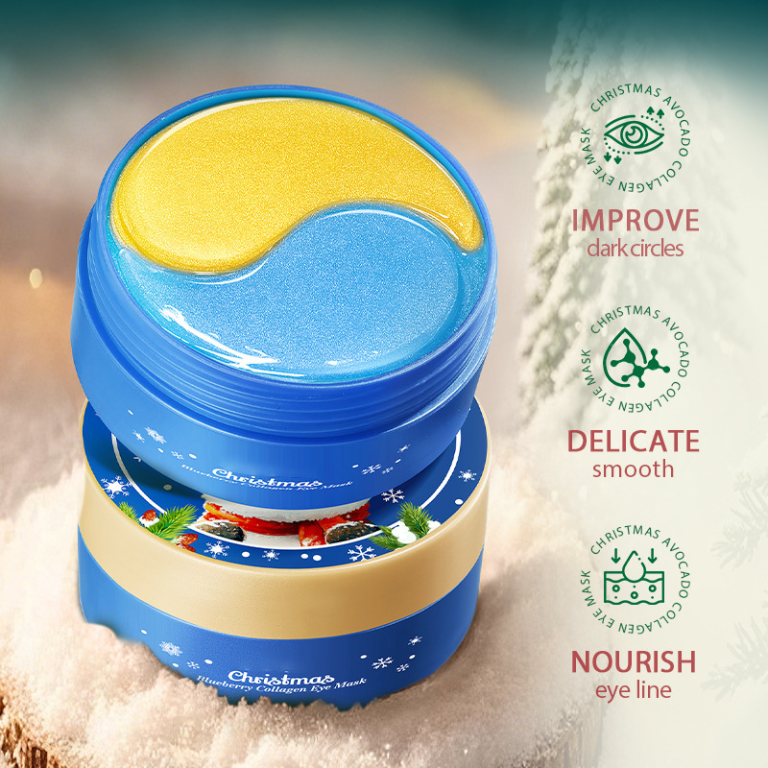
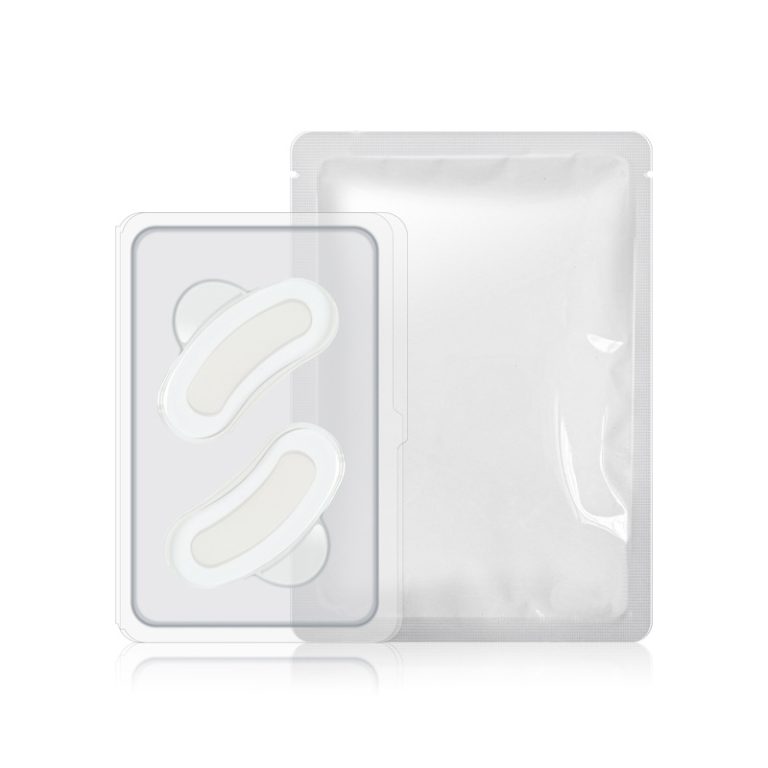
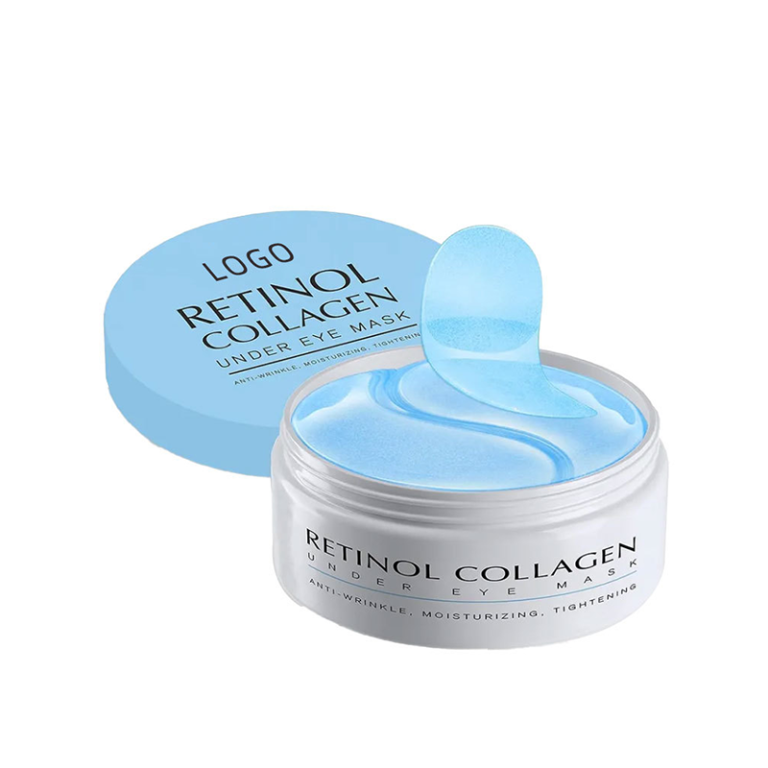
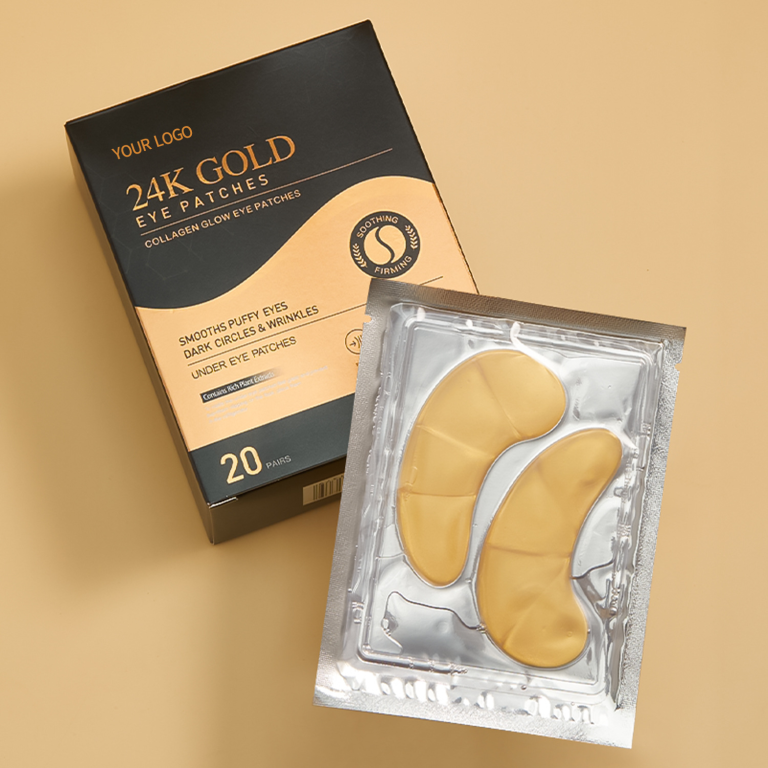
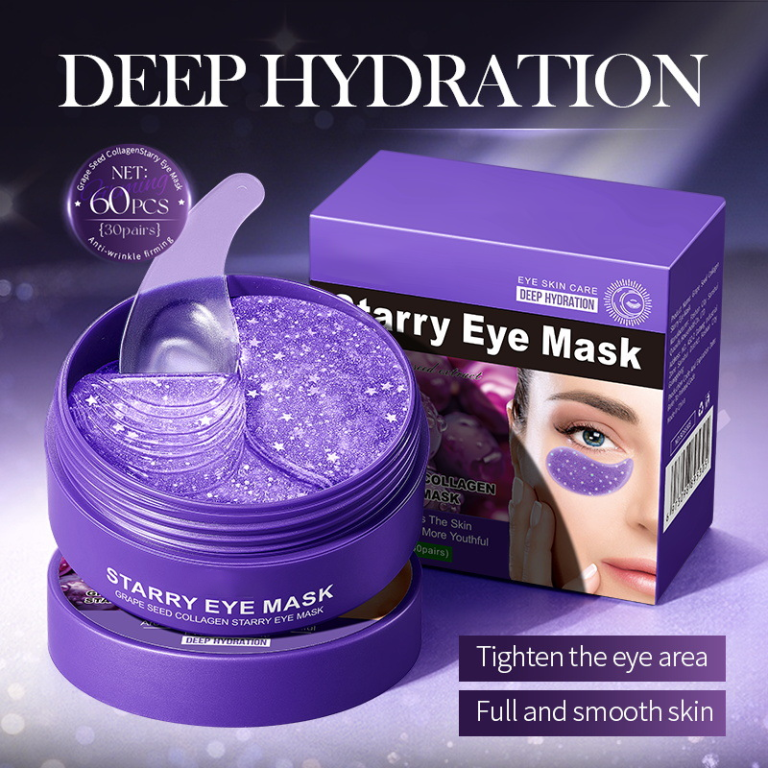
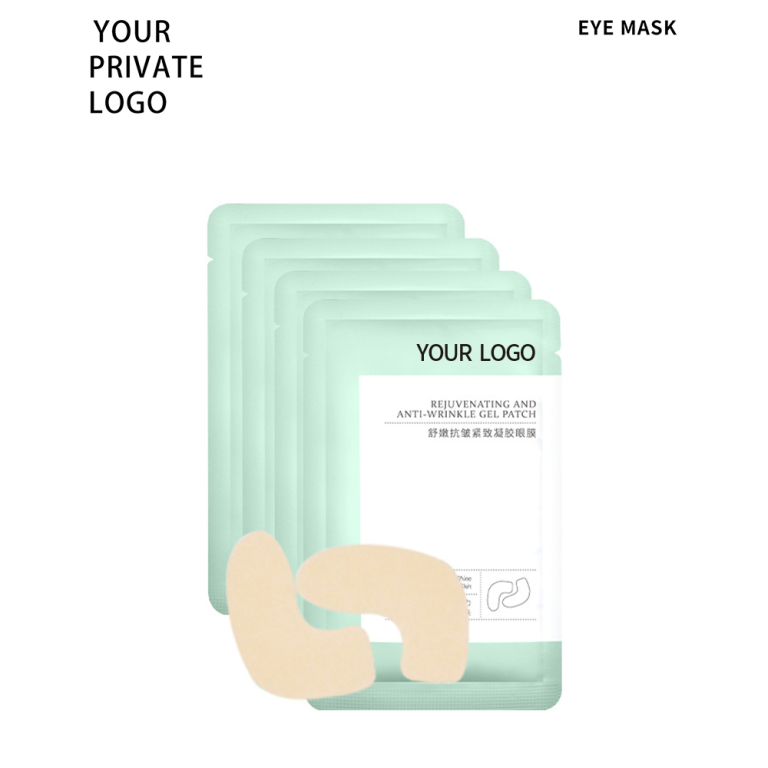
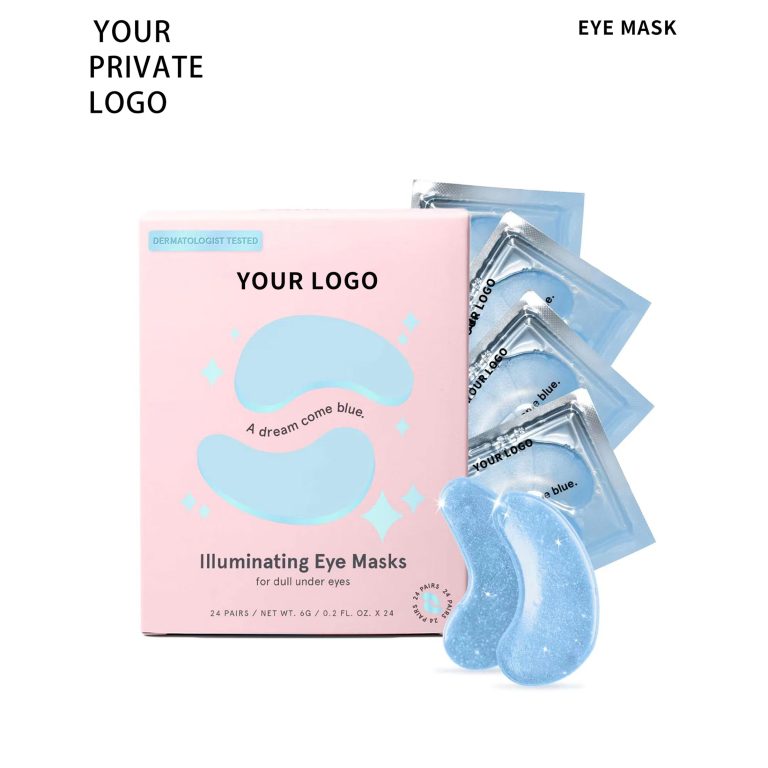
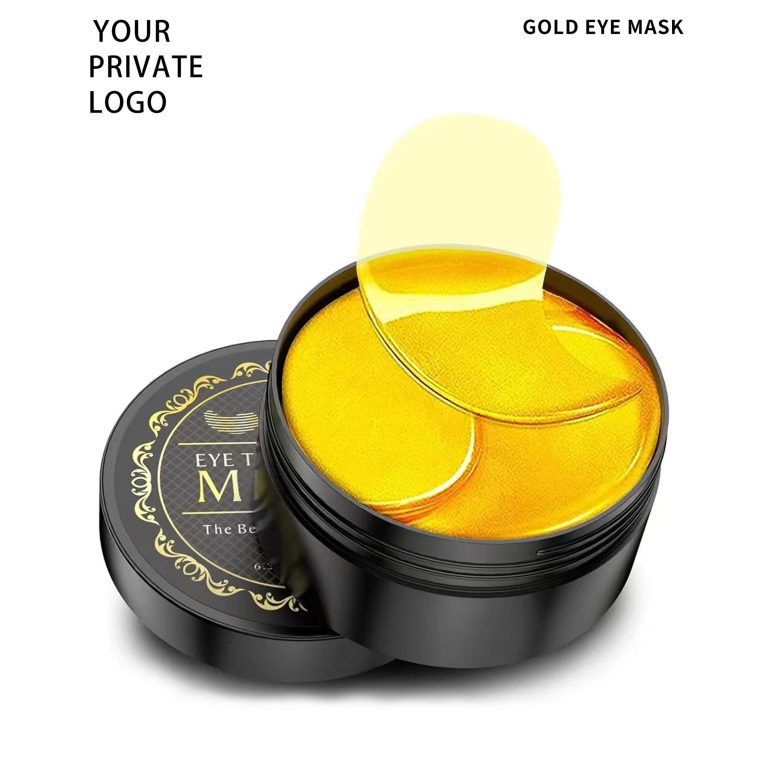
Compare private label eye patches by material and wear experience—hydrogel, bio-cellulose, and sheet under-eye masks. Align benefit focus (puffiness, dark circles, hydration), adhesion/comfort, and packaging (single sachets, multi-pack boxes) before sampling.
This category is easier to buy because there are two clear paths: one is high-frequency repeat purchases to drive volume, and the other is premium-priced differentiation with higher margins.
Private-label Eye Patches customization in various forms, dosages, and types is what Laeyo Company does best.We offer OEM Eye Patches products in a broad range of formulations, packaging, and ingredients.Also, we have a strong packaging supply chain to provide the widest range of packaging customized services for your Eye Patches.
Many buyers search by shopping motivations and use-cases. Use this shelf to define your line architecture (hero SKU + variants).
Start with samples that match how you sell. You can choose a single Eye Patches product line (for example, a daily repair bestseller for volume), or build a premium Eye Patches collection. — we’ll propose 2–3 formula routes per SKU,We ensure that every Private Label Eye Patches with unique formulations will stand out.
We make it easy for you to build your brand by providing a one-stop solution to your private label OEM/ODM production.
risk → MOQ/timeline → margin → performance → packaging/listing → supply support.
If you share the specs below, we can recommend the right base formula routes and component plan — then confirm MOQ and lead time with fewer iterations.
| Spec area | What buyers typically specify | Packaging / component notes | Common pitfalls to avoid |
|---|---|---|---|
| Track and channel | DTC, Amazon FBA, or retail (specify if any channel-specific requirements) | Ensure packaging meets Amazon Frustration-Free or Retail Ready standards if applicable | Assuming one size fits all channels without checking specific requirements |
| Target customer and positioning | Age group, skin concern (puffiness, dark circles, fine lines), and premium/mass market | Match packaging aesthetics to brand positioning (luxury vs. clean beauty vs. value) | Overcomplicating messaging—focus on 1-2 key benefits |
| Format and texture | Gel, hydrogel, or fabric patches; thickness and adherence level | Consider single-use vs. multi-use packaging for texture preservation | Not testing real-world wear (e.g., sliding off during sleep) |
| Performance and sensory targets | Cooling effect, hydration level, or firming sensation (avoid medical claims) | Include applicators if precise placement is needed | Overpromising results without stability testing |
| Scent or fragrance direction | Unscented, subtle botanical, or refreshing (specify if essential oils are preferred) | Ensure fragrance doesn’t interact with adhesive or active ingredients | Strong fragrances near eyes causing irritation complaints |
| Variant strategy | Day/night variants, different actives (e.g., caffeine vs. hyaluronic acid), or multipacks | Clear differentiation in packaging colors/design to avoid confusion | Too many SKUs diluting inventory efficiency |
| Ingredients to include / avoid | Key actives (e.g., peptides, vitamin C) and allergens to exclude (e.g., parabens, alcohol) | Verify ingredient compatibility with packaging materials (e.g., no citrus oils near PET) | Not checking for ingredient interactions (e.g., retinol + sunlight) |
| Packaging components and decoration | Individual sachets, jars, or sheets; foil backing for preservation | Child-resistant features if needed; consider sustainability (recyclable materials) | Overdesigning—complex shapes increase costs and delays |
| Label copy inputs and required warnings | Brand name, net weight, directions, and FDA-compliant warnings (e.g., "Avoid eye area") | Ensure barcode placement and legibility at small sizes | Missing mandatory warnings or using unapproved claims |
| Quality expectations and acceptance criteria | Patch adhesion time, serum absorption rate, and defect tolerance (e.g., no fraying edges) | Include QC checks for seal integrity and patch alignment | No predefined pass/fail criteria leading to subjective rejections |
MOQ is a structure, not a single number. The fastest path is usually stock components + staged launch (1–2 hero SKUs).
| Scenario | SKUs | Packaging | Typical MOQ (per SKU) | Typical timeline |
|---|---|---|---|---|
| Pilot launch (fastest) | 1–3 | Stock components | 1,000–3,000 units | 4–6 weeks |
| Amazon-ready | 3–6 | Stock + light customization | 2,000–5,000 units | 6–10 weeks |
| Retail rollout | 6+ | Custom packaging + full plan | 5,000+ units | 10–16+ weeks |
Lead time milestones: formula sample → fragrance match (optional) → packaging mockup → PP sample → mass production.
Packaging and transport risk often drive timeline and landed cost. Align format + component direction early to avoid leakage and fulfillment issues.
Common extensions:Hydrating Gel Patches,Anti-Wrinkle Treatment,Overnight Recovery,Travel Mini Packs,Cooling Under Eye,Collagen Infused,Sensitive Skin,Brightening Boost(Confirm feasibility with your channel requirements.)
As a private-label Eye Patches manufacturer, Laeyo has a team of experienced and certified engineers, designers, sales consultants, and a production team who have been engaged in the research and development of different body care products. We also have the ability and equipment to conduct advanced testing, production, and packaging. After all, our goal is to make your ideas a reality.
Each guide answers one question procurement teams typically validate before issuing an RFQ. Use them as quick checklists to scope requirements, compare suppliers consistently, and avoid rework that slows quotes and timelines.
Minimum order quantities (MOQs) for eye care products aren’t arbitrary—they’re tied to real manufacturing constraints across formula batching, filling, and packaging procurement. Understanding the dif…
Developing a private label eye cream requires precise coordination between product development, packaging supply, compliance testing, and logistics. Understanding the week-by-week timeline helps brand…
Launching an eye serum line doesn’t require high capital or massive inventory. With flexible low-MOQ (minimum order quantity) programs from advanced cosmetic labs, emerging beauty brands can test, ref…
Eye mask and eye patch sourcing often looks simple—until buyers discover the hidden minimums behind film, pouch, carton, and print runs. This guide breaks down what each MOQ means, how to align packag…
When deadlines tighten and product launches can’t move, “rush production” becomes a real need. In eye care manufacturing, however, not every step can be compressed without regulatory or functional ris…
Eye care product procurement moves fastest—and safest—when buyers follow a testable, documented pathway from concept to pre-production. By locking technical specs early, managing lab sample cycles eff…
Eye cream buyers often face uncertainty about how many formulation and packaging iterations are reasonable before signing off for mass production. Too few rounds, and you may end up with a suboptimal…
When developing an eye cream, subtle texture and after-feel details often decide whether your sample feels “on-brand” or needs a second (or third) revision. Clear descriptors help your lab and manufac…
Faster sampling if you share market + track + format + packaging direction. Most projects iterate 1–2 rounds before final approval.
Copy this list into your message. Or use the RFQ modal to generate an email draft automatically.
What you get back (within 8h): feasible formula routes + packaging notes + MOQ drivers + sampling plan + lead time range.
Concise, procurement-oriented answers. Expand items on mobile for a cleaner reading experience.
Fastest savings for US eye care usually come from switching to stock packaging/components and simplifying decoration/secondary packaging while keeping a premium silhouette and clean print quality.
For private label eye cream, unit cost is usually driven most by formula (actives, stability needs) and packaging (jar/airless, material, decoration). Filling and freight matter too, but they typically become big levers when you run small quantities, complex kitting, or ship bulky/heavy packs.
Yes-we can develop a fragrance-free eye cream for the U.S. market and manage odor through low-odor raw material selection, clean processing, and stable base design (no added perfume). We can also support testing and documentation to fit your compliance needs.
Yes. For US positioning like "ophthalmologist-tested" and "sensitive-skin" we can support the required substantiation via third-party clinical/tolerability testing and a documentation pack (without promising any regulatory outcome).
For US shipping (Amazon/FBA), we prevent eye serum dropper leakage by controlling the closure system (fit, torque, liner) and adding secondary tamper/leak protection. We can validate with leak + transport-simulation tests before mass production.
For retinol eye cream, we reduce oxygen and light exposure using opaque, low-OTR packaging (airless pump or aluminum/laminated tube), tight headspace control (nitrogen purge), and compatibility testing. We can support the test documentation you’ll need for Amazon-facing QA and claims substantiation.
During sampling we run fill-fit, leakage, and dispensing checks on airless pumps, tubes, and jars to reduce FBA damage/return risk. We can also support packaging specs and third-party reports for your US documentation file.
For U.S. eye creams and eye patches, we run microbiology limits and preservative challenge testing, and we can align test panels to your Amazon/retailer and lab method requirements. We support documentation and third-party verification when needed.
For U.S. sales, we typically recommend a combined stability plan: accelerated heat, freeze-thaw cycling, and real-time shelf-life, plus packaging compatibility. We can support third-party testing, documentation, and batch records to back your label claims.
I can answer, but I need one clarification: can I rely on general FDA guidance for US (cosmetic vs OTC drug vs device), and what exact front-end claims and product format are you planning (drops, spray, wipes)?
Share target market + channel + track + format + packaging direction. We are here for all your business needs and questions.