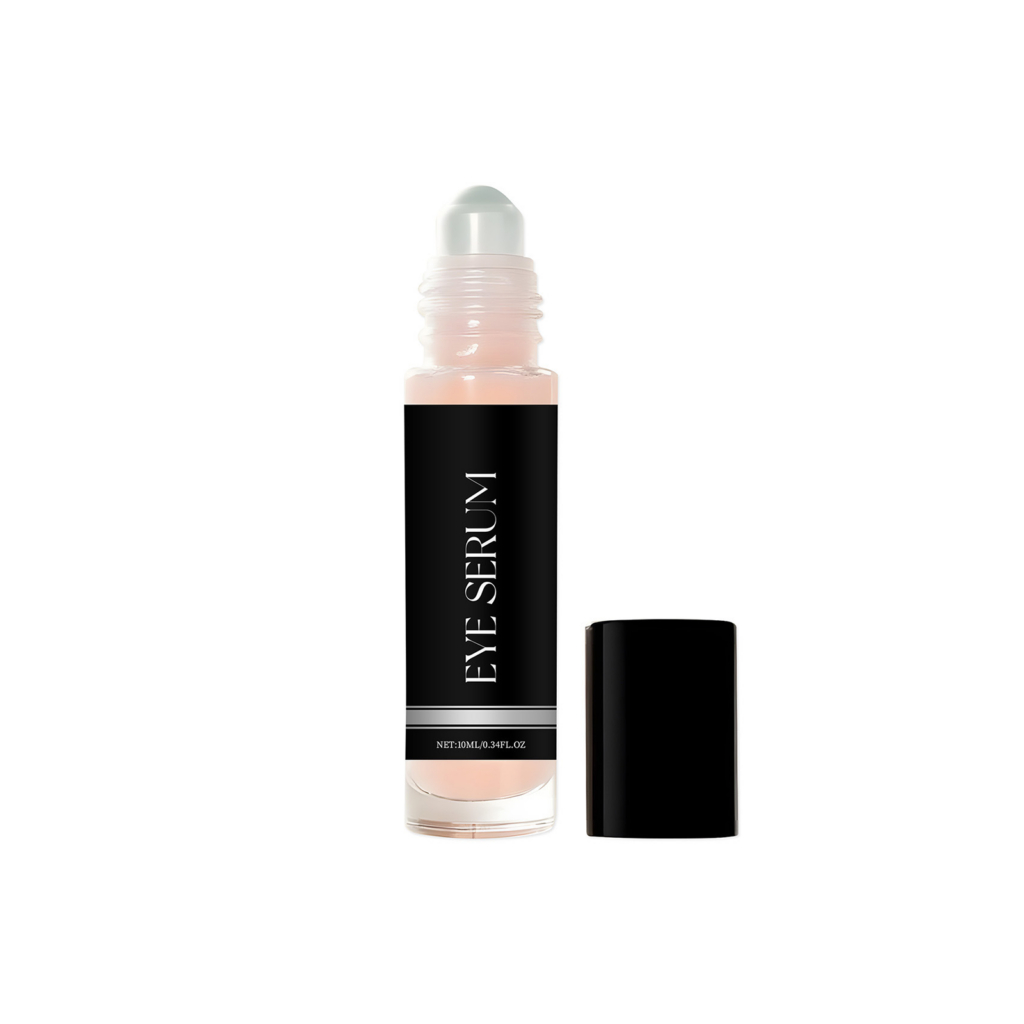
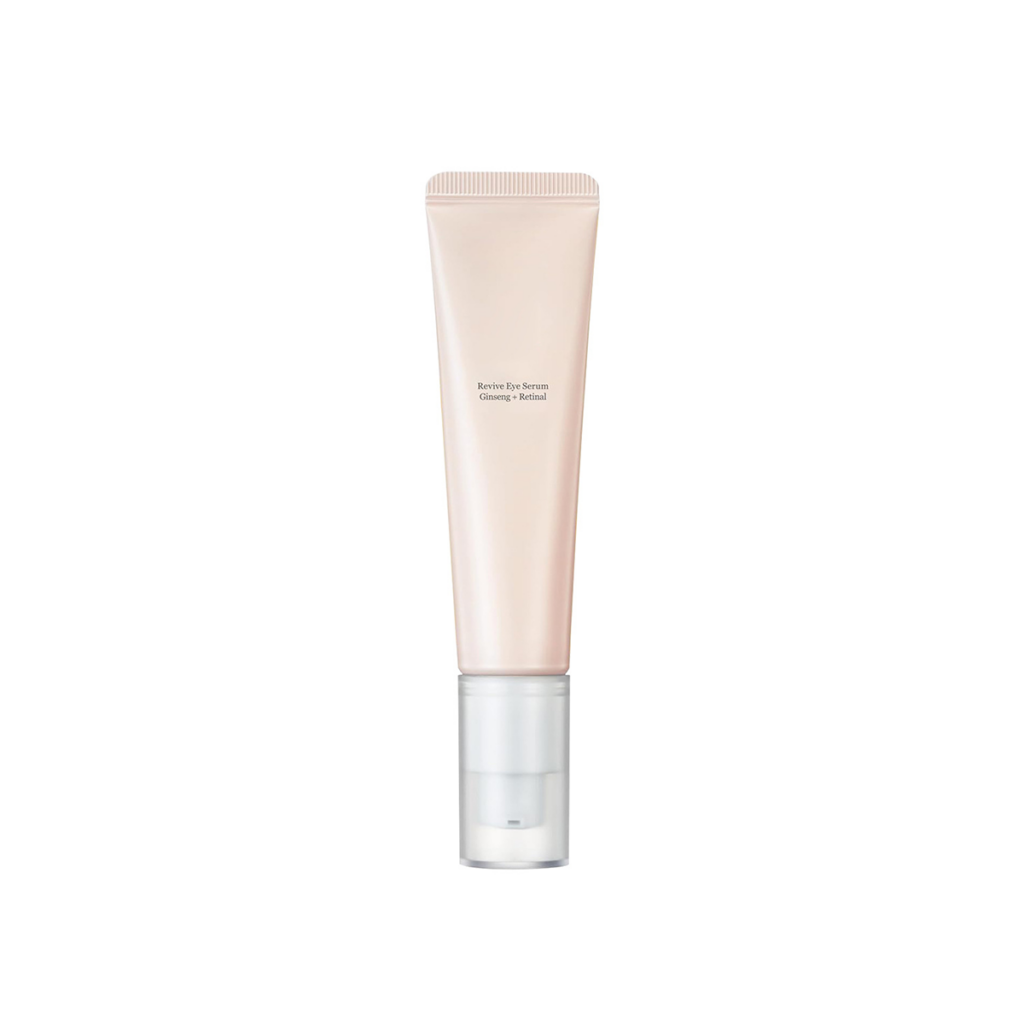
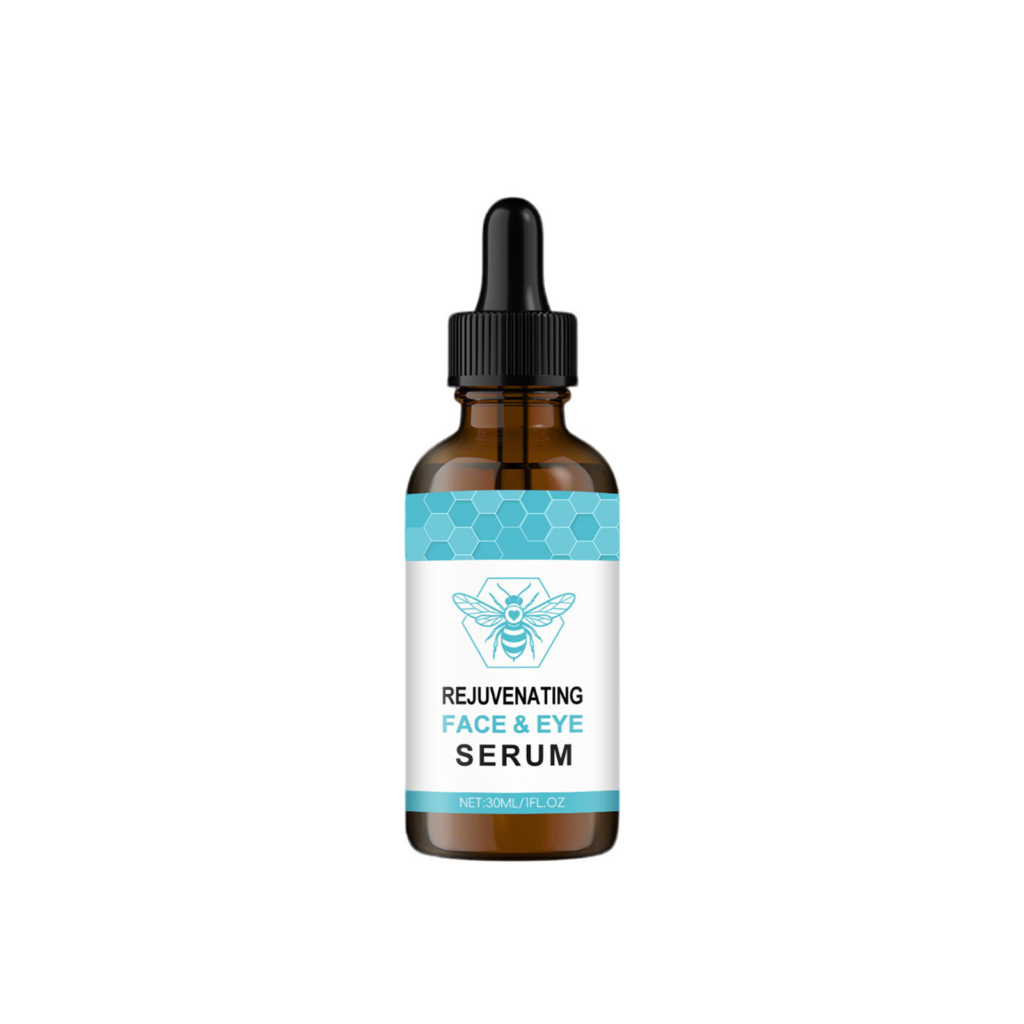
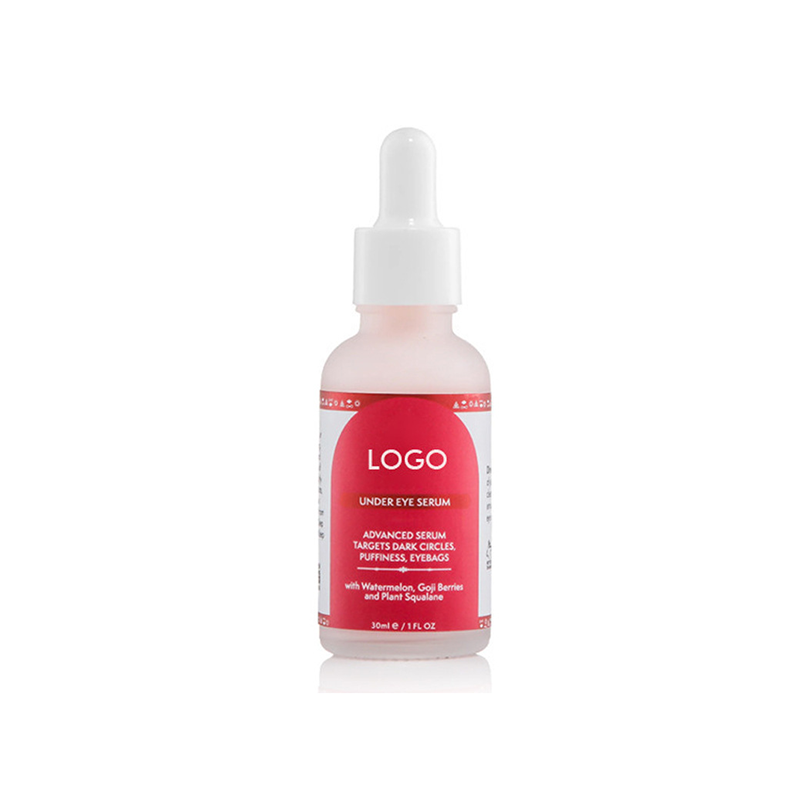
Which packaging changes reduce cost fastest without lowering perceived quality for eye care?
Fastest savings for US eye care usually come from switching to stock packaging/components and simplifying decoration/secondary packaging while keeping a premium silhouette and clean print quality.
What drives unit cost for private label eye cream: formula, packaging, filling, or freight?
For private label eye cream, unit cost is usually driven most by formula (actives, stability needs) and packaging (jar/airless, material, decoration). Filling and freight matter too, but they typically become big levers when you run small quantities, complex kitting, or ship bulky/heavy packs.
Can you make fragrance-free eye cream for the U.S. market (and how do you manage odor)?
Yes-we can develop a fragrance-free eye cream for the U.S. market and manage odor through low-odor raw material selection, clean processing, and stable base design (no added perfume). We can also support testing and documentation to fit your compliance needs.
Can you support ophthalmologist-tested and sensitive-skin positioning (what evidence is needed)?
Yes. For US positioning like "ophthalmologist-tested" and "sensitive-skin" we can support the required substantiation via third-party clinical/tolerability testing and a documentation pack (without promising any regulatory outcome).
How do you prevent leakage and cap loosening for eye serum droppers in U.S. shipping?
For US shipping (Amazon/FBA), we prevent eye serum dropper leakage by controlling the closure system (fit, torque, liner) and adding secondary tamper/leak protection. We can validate with leak + transport-simulation tests before mass production.
How do you protect retinol eye cream from oxidation (packaging, light, headspace control)?
For retinol eye cream, we reduce oxygen and light exposure using opaque, low-OTR packaging (airless pump or aluminum/laminated tube), tight headspace control (nitrogen purge), and compatibility testing. We can support the test documentation you’ll need for Amazon-facing QA and claims substantiation.
What packaging compatibility tests do you run for eye creams (airless pump, tube, jar)?
During sampling we run fill-fit, leakage, and dispensing checks on airless pumps, tubes, and jars to reduce FBA damage/return risk. We can also support packaging specs and third-party reports for your US documentation file.
What microbiology testing do you run for eye cream and eye patches for U.S. buyers?
For U.S. eye creams and eye patches, we run microbiology limits and preservative challenge testing, and we can align test panels to your Amazon/retailer and lab method requirements. We support documentation and third-party verification when needed.
What stability test is recommended for eye cream (heat, freeze-thaw, shelf life) for U.S. sales?
For U.S. sales, we typically recommend a combined stability plan: accelerated heat, freeze-thaw cycling, and real-time shelf-life, plus packaging compatibility. We can support third-party testing, documentation, and batch records to back your label claims.
When do eye drops style claims turn an eye product into a drug in the USA?
I can answer, but I need one clarification: can I rely on general FDA guidance for US (cosmetic vs OTC drug vs device), and what exact front-end claims and product format are you planning (drops, spray, wipes)?