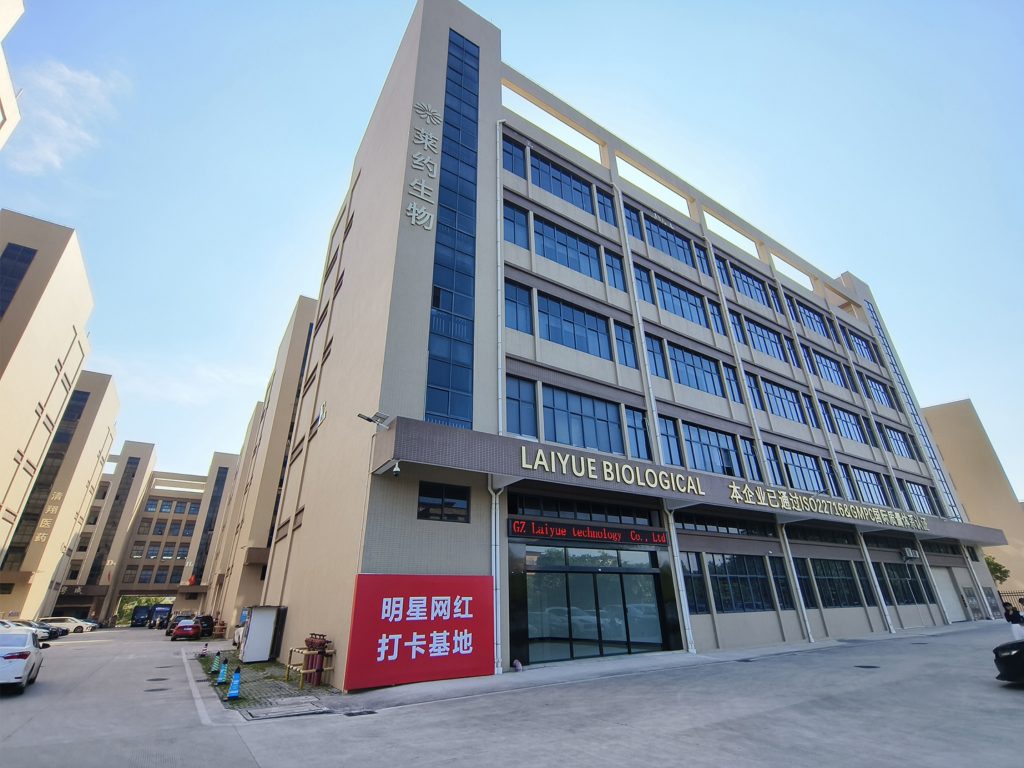
See the factory by live video walkthrough
Book an on-site factory visit in Guangzhou
China has become one of the world’s most dynamic hubs for cosmetic manufacturing. Thanks to its complete industrial supply chain, advanced R&D capabilities, and clusters of certified factories, global beauty brands—both established and emerging—turn…
China has become one of the world’s most dynamic hubs for cosmetic manufacturing. Thanks to its complete industrial supply chain, advanced R&D capabilities, and clusters of certified factories, global beauty brands—both established and emerging—turn to China to produce a wide range of skincare, personal care, and makeup products. Below we explore where makeup is primarily manufactured in China and why certain regions have become industry leaders.
Guangzhou, known as the “Cosmetics Capital of China,” dominates the country’s cosmetic production. The city hosts over 1,800 certified cosmetic manufacturers—about one-third of all licensed producers in China. It also leads in registered cosmetic products, accounting for more than half of the national total.
Shanghai and neighboring Jiangsu Province are home to many joint-venture and multinational operations focusing on premium, dermocosmetic, and urban-oriented product lines. Facilities here often meet ISO and GMP certification standards for both domestic and international markets.
These eastern coastal provinces excel in packaging production and private label supply. Many Guangzhou-based makeup brands source bottles, tubes, and pumps from Ningbo or Yiwu manufacturers before assembly and filling in Guangdong.
For large-volume, cost-sensitive projects (e.g., mid-market color cosmetics or promotional items), northern factories in Shandong or Hebei often provide competitive scale and raw material access.
| Region | Main Focus | Industry Strength |
|---|---|---|
| Guangzhou, Guangdong | Comprehensive cosmetics production | Full supply chain, advanced R&D, export hub |
| Shanghai / Jiangsu | Premium and international brands | High certification standards, innovation capacity |
| Zhejiang / Ningbo | Packaging and private label | Efficient logistics, flexible order handling |
| Shandong / Hebei | Mass production | Cost optimization, large-volume handling |
When sourcing from China, buyers should prioritize licensed manufacturers with clear regulatory documentation and transparent quality systems. Here’s what to verify:
Many new brands begin with OEM (you provide formulation ideas) or ODM (the factory provides turnkey development) models. For early-stage projects:
Most are in Guangzhou and surrounding areas of Guangdong Province. Other clusters exist in Shanghai, Zhejiang, and Shandong.
Because it concentrates more than 30% of China’s licensed cosmetic manufacturers and more than 50% of product registrations, creating a full ecosystem for R&D, production, and distribution.
Yes, mid-size and smaller OEMs often accept lower MOQs and offer turnkey development to help new brands launch efficiently.
Sample approval usually takes one to two weeks, while mass production requires about 20–40 working days depending on packaging complexity and volume.
Ask for their production license number, GMP certificate, and recent testing reports. You can also verify NMPA registration details online.
Request a Quote with your target market, product type, packaging direction, and expected timeline to receive sourcing guidance from LAEYO Labs experts.
With more than 20 years of experience in OEM/ODM/Private Label Cosmetics, I'd love to share valuable knowledge related to cosmetics & skincare products from a top-tier Chinese supplier's perspective.