See the factory by live video walkthrough
Book an on-site factory visit in Guangzhou
China’s cosmetics industry has become one of the most dynamic and fastest-growing markets worldwide. With a robust manufacturing base, expanding middle class, and rising consumer sophistication, the country is redefining the global beauty landscape.…
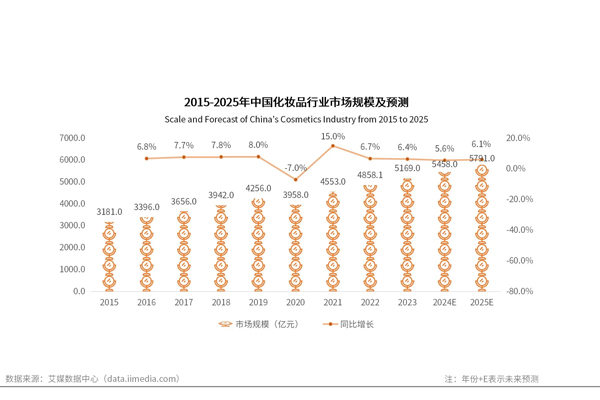
China’s cosmetics industry has become one of the most dynamic and fastest-growing markets worldwide. With a robust manufacturing base, expanding middle class, and rising consumer sophistication, the country is redefining the global beauty landscape. Let’s take a closer look at how large this industry is—and where it’s headed next.
In the global cosmetics landscape, China is firmly established as the **second-largest consumer market**, just behind the United States. In 2021, China held a market share of about **17.3% of global consumption**, signaling its immense potential for both domestic and international brands.
Key figures to understand the scale:
China’s cosmetics industry includes a diverse range of product categories, each contributing differently to the total market share:
| Product Category | Market Share (2022) | Growth Outlook |
|---|---|---|
| Skincare | 51.95% | Stable, driven by clean and derm-friendly formulas |
| Hair Care | 11.95% | Increasing interest in scalp health solutions |
| Oral Care | 9.07% | Estimated growth +7.54% in 2023 |
| Makeup | 10.44% | Expected growth +10.3% in 2023 |
| Fragrance | Smaller base | Forecast +24.39% YoY growth |
Despite the industry’s magnitude, Chinese consumers still spend far less per capita on cosmetics than those in developed markets. This shows that the market has significant untapped potential:
Guangzhou, known as the “Cosmetics Capital of China,” anchors the nation’s production network. The city alone accounts for more than **30% of licensed cosmetic manufacturers nationwide**, featuring major clusters such as White Cloud Bay, Nanfang Beauty Valley, and Huadu Beauty City. This ecosystem supports both established and emerging beauty brands with full-chain services from R&D to packaging.
The Cosmetics Supervision and Administration Regulation (CSAR) has elevated compliance standards across manufacturing, safety testing, and product registration. While this increases entry barriers, it also strengthens international confidence in “Made in China” cosmetic exports.
Not yet. China is currently the second-largest cosmetics consumer market, following the United States, but it has one of the fastest growth trajectories worldwide.
Fragrance, makeup, and oral care products are rising quickly, reflecting consumers’ growing preference for self-expression and wellness-linked beauty routines.
Guangzhou leads with more than 1,800 licensed factories, a mature supply chain, and multiple industrial clusters dedicated to beauty R&D, production, and packaging innovation.
Strong competition, regulatory complexity, and differentiation pressures. Partnering with a certified OEM/ODM provider helps mitigate compliance and operational risks.
Working with contract manufacturers experienced in CSAR compliance, local consumer preferences, and e-commerce integration accelerates safe market entry.
China’s cosmetics market continues to expand rapidly, benefiting from innovation, manufacturing capacity, and consumer evolution. For brand owners and sourcing managers, now is a strategic moment to establish partnerships that combine R&D, production, and digital growth expertise.
With more than 20 years of experience in OEM/ODM/Private Label Cosmetics, I'd love to share valuable knowledge related to cosmetics & skincare products from a top-tier Chinese supplier's perspective.