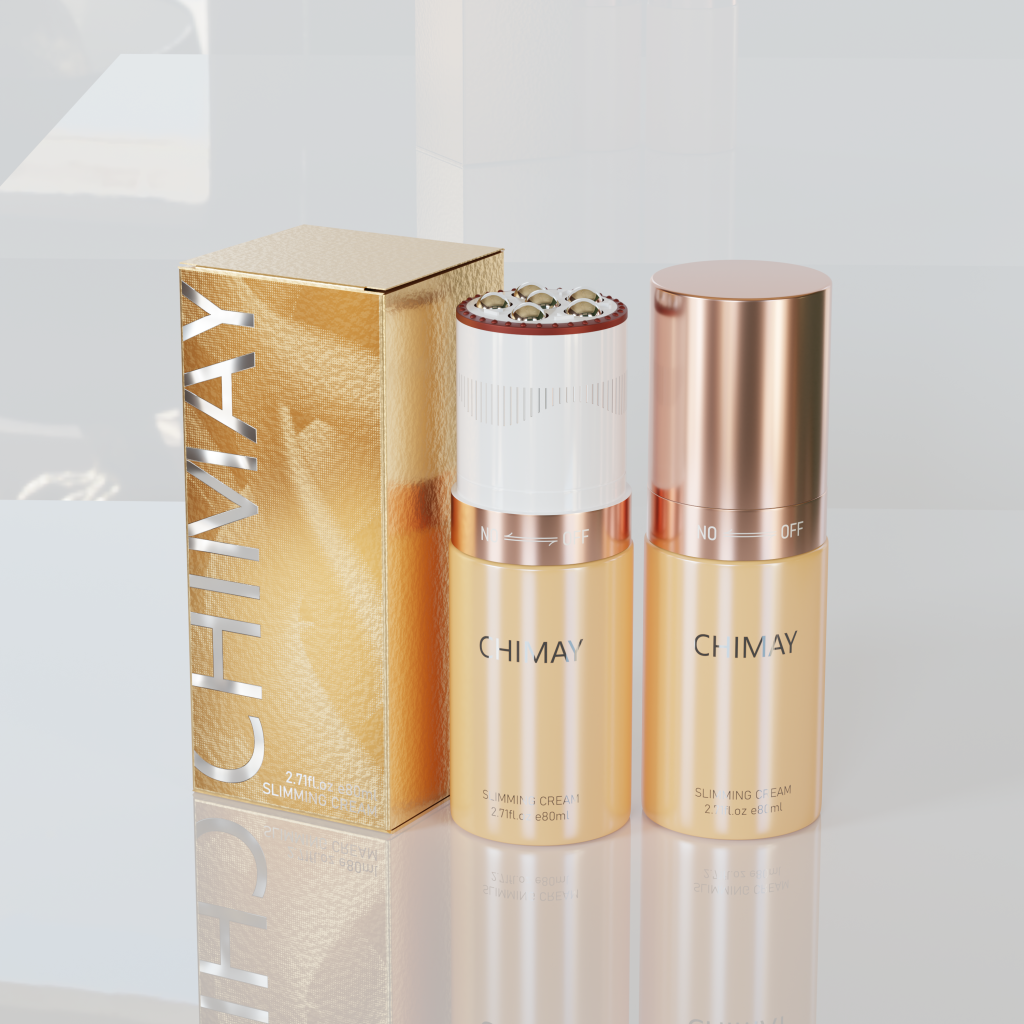
Deciding whether to partner through an ODM or OEM model is a critical step for any beauty brand or product developer entering large-scale production. Each pathway defines how much creative control, technical input, and production responsibility a brand maintains. Understanding their distinctions allows sourcing managers and brand founders to align cost efficiency with innovation and speed to market.
Understanding ODM and OEM
OEM (Original Equipment Manufacturer)
In the OEM model, the brand owns the intellectual property, including product formula, specifications, and design. The manufacturer primarily focuses on executing production according to the brand’s instructions.
- Core advantage: Production expertise and cost efficiency.
- Who should choose OEM: Brands with mature product R&D or those replicating existing successful formulas.
- Factory role: Pure production partner with strict quality control and compliance documentation.
- Risk control: Easy to switch manufacturers without technology transfer issues.
ODM (Original Design Manufacturer)
ODM manufacturers handle product design, formulation development, and production. The brand benefits from the manufacturer’s innovation strength while applying its own trademark to the final product.
- Core advantage: Creative innovation and technical integration.
- Who should choose ODM: Start-ups or brands without internal R&D looking for differentiated product design.
- Factory role: R&D, formulation, packaging selection, and prototype testing.
- Risk control: Higher dependency on manufacturer; IP ownership and formula exclusivity must be contractually verified.
ODM vs. OEM: Side-by-Side Comparison
| Aspect |
OEM |
ODM |
| Product Design Ownership |
Brand |
Manufacturer |
| R&D Investment |
From Brand |
From Manufacturer |
| Speed to Market |
Very Fast (existing formula) |
Moderate (requires design phase) |
| Cost Efficiency |
Lower investment, stable margins |
Higher R&D cost, unique differentiation |
| Innovation Capability |
Depends on brand input |
Provided by manufacturer |
| Ideal for |
Established brands |
Emerging brands seeking originality |
How to Decide Quickly
- If you already have a proven formula or product concept → choose OEM.
- If you want a distinct formula designed from scratch → choose ODM.
- If you need to test a new niche fast → OEM gives faster production turnaround.
- If your branding relies on technical claims or new active ingredients → ODM development is more strategic.
Decision Boundaries and Best Practices
OEM selection tips:
- Review GMP and ISO certifications.
- Request product stability and micro reports.
- Verify batch record and QC documentation.
- Ensure flexibility in MOQs and lead times.
ODM selection tips:
- Check product design ownership and patent rights.
- Ask for sample reports and R&D capability proof.
- Clarify formulation exclusivity in contract.
- Evaluate their formulation library and project launch cycles.
Choosing Based on Business Stage
Early-stage brands tend to benefit from ODM partnerships where they can leverage manufacturer expertise in formula design, market adaptation, and packaging selection. Established brands, however, often switch to OEM once they control formulas and pursue faster and cheaper scale-up manufacturing.
Common Pitfalls to Avoid
- Skipping IP documentation: Always confirm who owns formulas and trademarks before production.
- Undefined claim substantiation: Ensure the factory provides safety and efficacy test evidence.
- Overreliance on one supplier: For scalability, qualify at least two manufacturing partners.
- Ignoring regulatory registration: Verify that manufacturer supports product filing in your target market.
FAQ
- Is ODM more expensive than OEM?
Yes. ODM includes R&D and design services, which increase initial cost but also secure product differentiation.
- Can an OEM factory develop new formulas?
Technically they can assist, but IP belongs to the brand. For full development, ODM is more suitable.
- Who controls product innovation in ODM?
The manufacturer drives innovation based on your market needs; joint ownership must be clarified contractually.
- Can I switch from ODM to OEM later?
Yes. Once your design is proven, you may transfer IP to OEM production for scale efficiency.
- Which is better for a fast-launch online brand?
OEM—less upfront R&D and quicker market access.
Request a Quote from LAEYO Labs to discuss which model aligns best with your brand goals, product vision, and timeline.
Hi, I'm Alex Zong, hope you like this blog post.
With more than 20 years of experience in OEM/ODM/Private Label Cosmetics, I'd love to share valuable knowledge related to cosmetics & skincare products from a top-tier Chinese supplier's perspective.