
See the factory by live video walkthrough
Book an on-site factory visit in Guangzhou
Firming creams have become a central focus in skincare innovation — offering both preventive care for younger skin and restorative benefits for mature users. But beyond the marketing language, understanding what a firming cream…
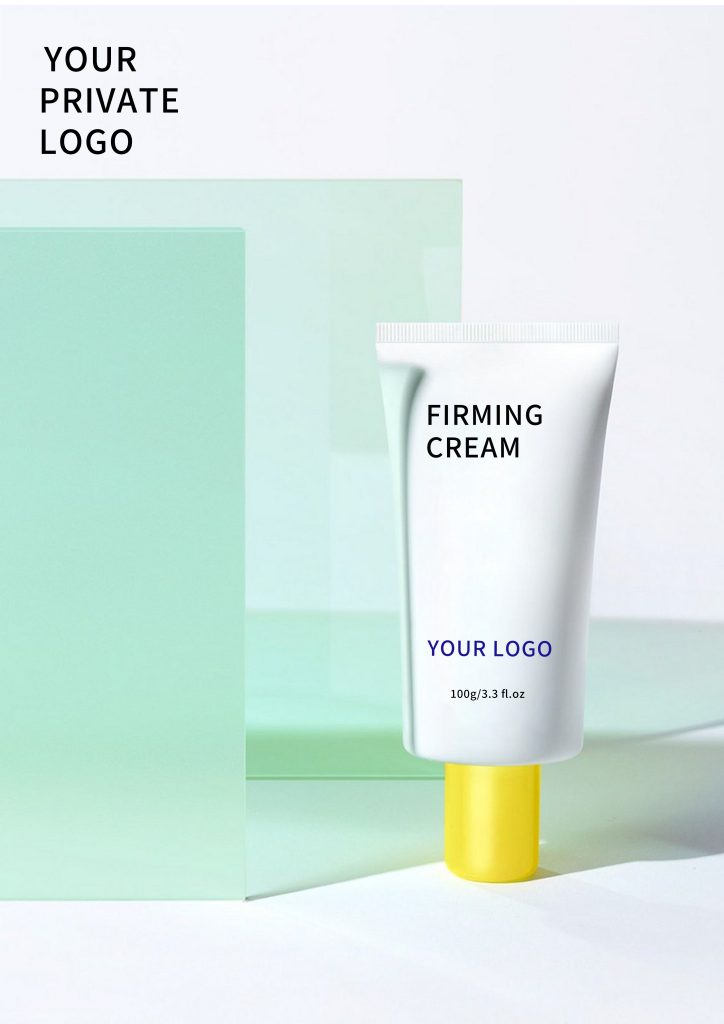
Firming creams have become a central focus in skincare innovation — offering both preventive care for younger skin and restorative benefits for mature users. But beyond the marketing language, understanding what a firming cream actually does helps buyers and brand owners source or develop products with proven efficacy.
A firming cream supports the skin’s structural integrity by targeting collagen, elastin, and hydration levels. These products are designed to improve elasticity, boost suppleness, and minimize the visible effects of sagging or aging.
These products combine short-term and long-term mechanisms:
| Ingredient Type | Primary Function | Common Example |
|---|---|---|
| Peptides | Signal collagen synthesis | Matrixyl, Argireline |
| Retinoids | Accelerate cell turnover | Retinol |
| Hyaluronic Acid | Improve hydration and plumpness | Sodium Hyaluronate |
| Antioxidants | Protect against environmental damage | Vitamin C, E |
For sourcing managers and brand founders, verifying performance claims requires alignment between formulation design, testing, and documentation. Here’s how to assess readiness for market:
They are most effective for consumers noticing early signs of loss of firmness or dryness in the skin. Premium formulations used consistently—not just before events—deliver better lifting results over time. Incorporation into a full skincare routine enhances longevity and elasticity improvements.
Visible tightening can appear within minutes if the formula includes lifting polymers. However, true firmness improvements usually take 4–8 weeks of consistent use.
No. They support the skin’s natural framework but cannot replicate procedures like radiofrequency or fillers. They can, however, maintain or prolong results from such treatments.
Yes, if formulated without irritants like strong acids or heavy fragrances. Buyers should request dermatological safety test data before launch.
Airless systems minimize oxidation and preserve the potency of peptides, antioxidants, and retinoids. Always verify packaging compatibility reports.
Request supporting documentation such as before-and-after clinical photos, elasticity test graphs, or consumer feedback summaries validated by third-party labs.
With more than 20 years of experience in OEM/ODM/Private Label Cosmetics, I'd love to share valuable knowledge related to cosmetics & skincare products from a top-tier Chinese supplier's perspective.