What is the form for cosmetic manufacturing?

When brand owners or entrepreneurs decide to launch a cosmetic line, one of the first practical questions they face is: what form should I use when engaging a factory for manufacturing? Understanding how to…
Category: Sourcing Insights Author: laeyo Published: 2026-04-30 Views: 237
cosmetic manufacturing

When brand owners or entrepreneurs decide to launch a cosmetic line, one of the first practical questions they face is: what form should I use when engaging a factory for manufacturing? Understanding how to document requirements, communicate with suppliers, and choose between OEM or ODM forms will decide how smoothly your project proceeds—from prototype to compliant launch.

Key Collaboration Forms in Cosmetic Manufacturing

Cosmetic production partnerships usually fall into three main collaboration forms. Each has distinct documentation and responsibility distribution.

  • OEM (Original Equipment Manufacturer): You provide the formula and standards. The factory follows your specification to process and produce. This is common when you already own a formula or cooperate with a lab.
  • ODM (Original Design Manufacturer): You share concept, performance expectations, or key effects, and the factory provides R&D, formulation, packaging design, and full production. Your brand label is applied at the end.
  • Factory Supply / White Label: Some manufacturers offer ready-to-ship products that you can relabel directly. This method is fast but usually gives limited customization or formula ownership.

Comparison of Manufacturing Forms

Type Who Provides Formula Customization Level Best For
OEM Brand owner High Brands with existing formulations
ODM Manufacturer Medium to High New brands or startups
White Label Factory Low Testing market demand or small runs

Essential Components of the Manufacturing Form

Regardless of the cooperation type, your manufacturing form or brief should include the following to ensure smooth execution:

  • Product name, dosage form, size, and packaging description
  • Target functions and marketing claims (e.g., whitening, anti-acne, moisturizing)
  • Raw material preferences or exclusions (for example, no alcohol, no silicones, vegan-friendly)
  • Testing requirements such as microbiological tests, stability testing, and ingredient verification
  • Expected supply quantity and delivery timeline
  • Branding and intellectual property declarations

Example: Sample Request Outline

Here’s a simplified framework inspired by real brand-factory communication used for sample development:

  • Product Name: Whitening & Brightening Essence
  • Specification: 30g essence
  • Desired Formula Traits: Fast absorption, non-sticky
  • Fragrance and Color: Fragrance-free, no coloring agent
  • Active Ingredients: Niacinamide, Arbutin, Licorice root extract
  • Quantity of Initial Samples: 20 units
  • Deadline for Sample Delivery: 3 working days

Before You Submit the Form

Make sure you have clarified these essential points:

  • MOQ (Minimum Order Quantity): Many labs offer small-batch options—500 to 1000 bottles for trial production, while large runs (10,000+) are prioritized.
  • Factory Qualification: Request business licenses, GMPC or ISO certificates, and evidence of production compliance.
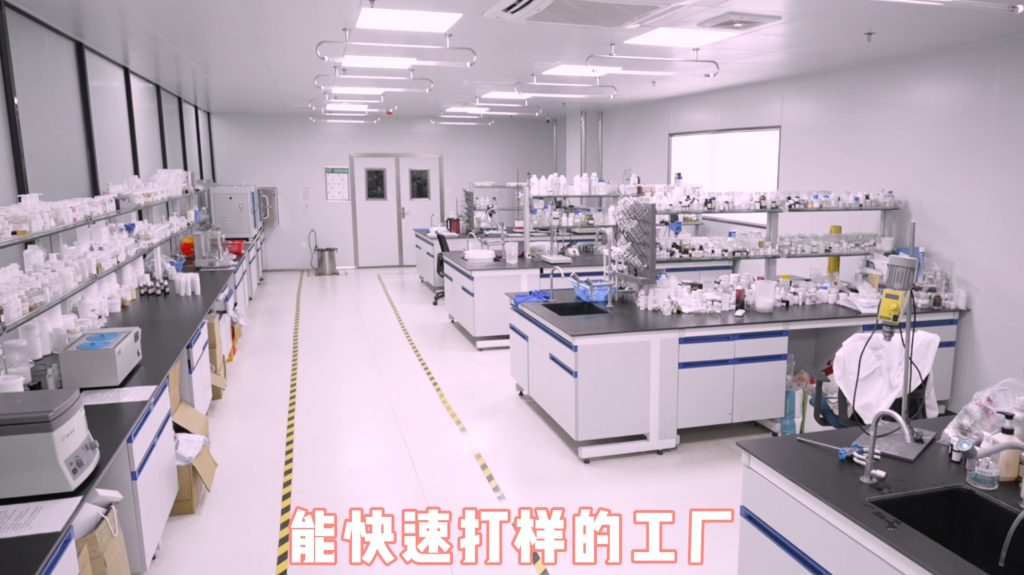
  • On-Site Visit: Always preferable—meet the technical team and check their workshop environments to verify real production capability.
  • Contract Terms: Include clauses on intellectual property, delivery, responsibility for testing, and confidentiality.

Timeline Overview

Typical cosmetic production involves these key steps:

  1. Define formula direction & design requirements
  2. Submit cooperation form (OEM or ODM)
  3. Receive and evaluate samples
  4. Confirm formula and packaging
  5. File product testing or registration documents
  6. Organize mass production after approval
  7. Final quality control and shipment

For an initial brand launch, the complete cycle often takes 30–45 working days once all paperwork and packaging are locked.

FAQ

1. What’s the difference between OEM and ODM?

OEM means you own or control the formula; ODM means the manufacturer designs and develops based on your concept and requirements.

2. Can I order small quantities for testing?

Yes. Many professional cosmetic factories now support small-batch or pilot-scale production with minimums as low as 500–1000 pieces, perfect for new brands.

3. What credentials should I ask from a manufacturer?

Verify GMPC or ISO certification, business registration, and evidence of successful domestic or international filings. Ask to see their current license and test records.

4. Does the factory charge for sample development?

Practices vary. Some facilities offer free sample formulation if you proceed to production, while others may charge a small laboratory fee.

5. How do I protect my formula and brand?

Sign a confidentiality and intellectual property clause in your manufacturing agreement before sharing formula or branding details.

Request a Quote to connect with LAEYO Labs and discuss your cosmetic manufacturing requirements, including product format, market goals, and target launch schedule.

Hi, I'm Alex Zong, hope you like this blog post.

With more than 20 years of experience in OEM/ODM/Private Label Cosmetics, I'd love to share valuable knowledge related to cosmetics & skincare products from a top-tier Chinese supplier's perspective.