See the factory by live video walkthrough
Book an on-site factory visit in Guangzhou
Facial serums have evolved from niche skincare boosters to essential formulations in modern beauty lines. For brand owners and sourcing managers, understanding what a serum does—and why it’s different from a moisturizer or toner—is…
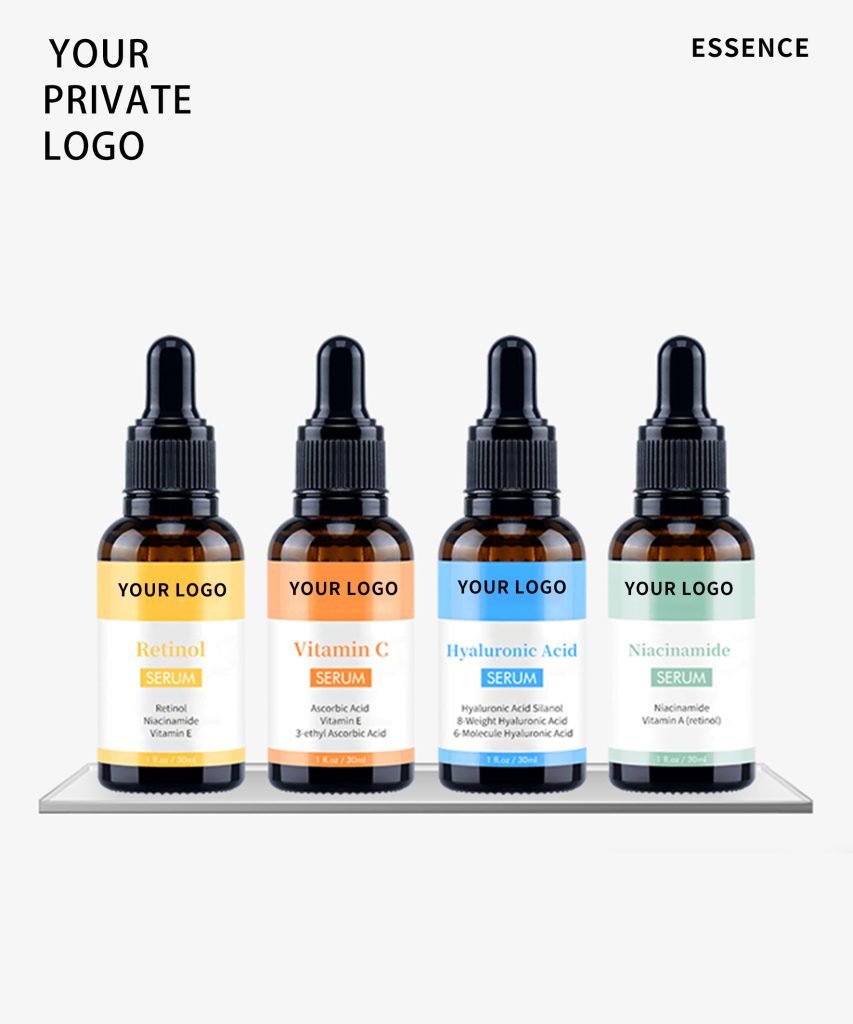
Facial serums have evolved from niche skincare boosters to essential formulations in modern beauty lines. For brand owners and sourcing managers, understanding what a serum does—and why it’s different from a moisturizer or toner—is key to positioning and development strategy in a competitive market.
A serum is a concentrated formulation designed to deliver active ingredients deeper into the skin compared to creams or lotions. Its texture tends to be lightweight, often water- or oil-based, enabling it to absorb quickly and act on specific skin concerns such as firmness, hydration, or brightness.
| Active Ingredient | Primary Function | Suitable Skin Concern |
|---|---|---|
| Hyaluronic Acid | Hydration and plumping | Dry or dehydrated skin |
| Vitamin C | Brightening and antioxidant protection | Dull or uneven tone |
| Peptides | Firming and anti-aging support | Loss of elasticity |
| Niacinamide | Barrier strengthening and balancing | Oily or sensitive skin |
For companies and B2B buyers, serums represent a premium-accessible product opportunity with strong consumer demand and high repeat purchase rates. They fit clean beauty, derm-friendly, and minimalist skincare trends, making them versatile across retail channels.
No. Serums deliver actives, but moisturizers provide occlusive hydration to lock in moisture. They work best when layered together.
Most serums are used once or twice daily, depending on concentration and tolerance. Always review use directions provided by the manufacturer.
Typically light and fast-absorbing—formulators optimize viscosity to match the delivery system (dropper, pump, or ampoule).
Claims such as “anti-aging,” “clinically proven,” or “reduces wrinkles” should be supported by instrumental or consumer test data.
Yes, if formulated with minimal irritants and supported by dermatological testing. Always confirm the full INCI and allergen status during sourcing.
Request a Quote to develop or source your next serum formulation with verified compliance, testing, and formulation support from LAEYO Labs.
With more than 20 years of experience in OEM/ODM/Private Label Cosmetics, I'd love to share valuable knowledge related to cosmetics & skincare products from a top-tier Chinese supplier's perspective.