See the factory by live video walkthrough
Book an on-site factory visit in Guangzhou
Choosing between a gel cleanser and a foam cleanser can directly influence how effectively your skincare line meets consumer expectations. Understanding the formulation, target skin types, and market trends helps buyers and brand managers…
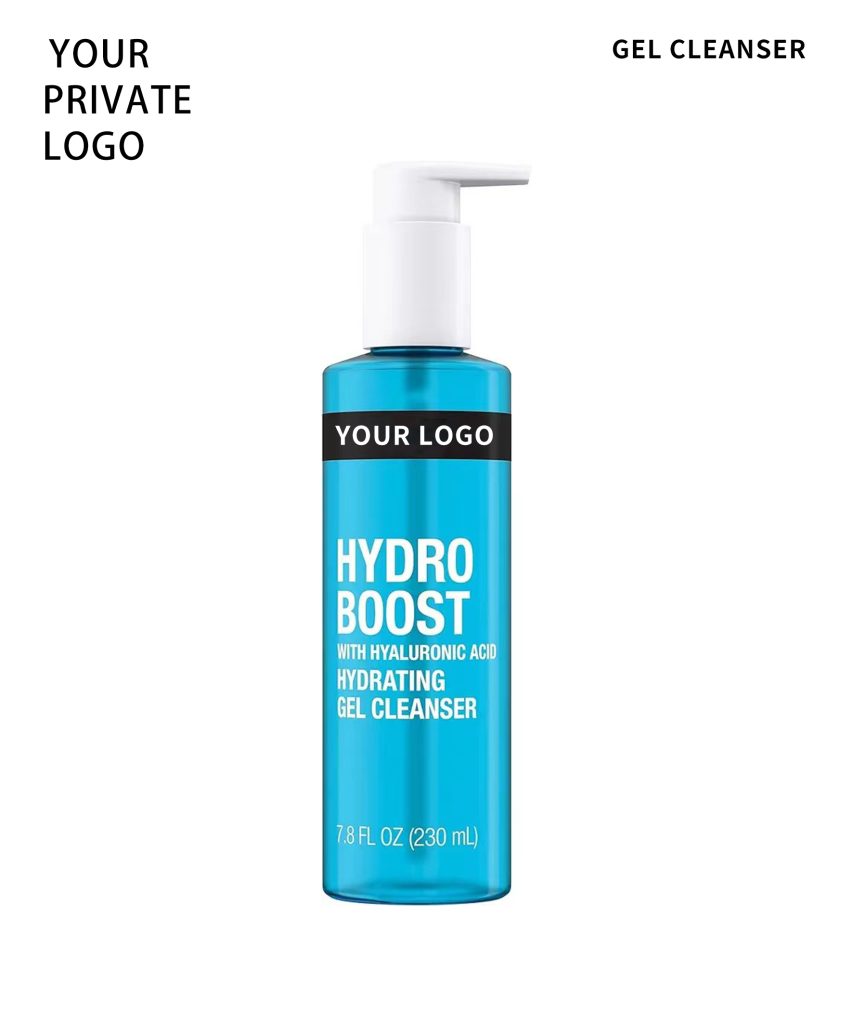
Choosing between a gel cleanser and a foam cleanser can directly influence how effectively your skincare line meets consumer expectations. Understanding the formulation, target skin types, and market trends helps buyers and brand managers make better sourcing decisions when developing a cleanser range.
Gel cleansers are water-based formulations designed to deeply clean pores without leaving heavy residue. They’re ideal for sebum-prone skin types and for brands emphasizing freshness and clarity.
**Why choose a gel cleanser:**
– Gentle yet effective removal of oil and impurities
– Ideal for combination and oily skin
– Often formulated with botanical extracts or mild surfactants
– Leaves skin feeling refreshed, not stripped
**Procurement considerations:**
– Confirm ingredient viscosity and transparency during lab sampling
– Verify compatibility with clear or frosted PET bottles
– Request micro and stability data due to high water content
Foam cleansers offer a sensorial experience preferred in many markets. Their aerated texture feels luxurious and quick to rinse, appealing to consumers who link foam to deep cleansing.
**Why choose a foam cleanser:**
– Engages consumers with a soft, cushiony texture
– Suitable for normal to oily or makeup-removal lines
– Usually delivered in pump or pressurized packaging formats
– Quick consumer trial and adoption due to familiar texture
**Procurement considerations:**
– Evaluate gas or pump-foam compatibility with surfactant blend
– Confirm foaming stability test results at multiple pressures
– Review optional fragrance and preservative tolerances for regulatory alignment
| Attribute | Gel Cleanser | Foam Cleanser |
|————|—————|—————-|
| Texture | Cool, water-based gel | Airy, creamy foam |
| Key Audience | Combination & oily skin | Normal to oily skin |
| Sensory Appeal | Refreshing, weightless | Luxurious, light |
| Packaging | Tube / pump bottle | Foaming pump / aerosol |
| Formulation Complexity | Moderate | Higher (requires foaming stability) |
Gel cleansers suit brands promoting clarity and freshness, while foam cleansers align with premium or sensorial experience-driven positioning. Many companies offer both—one for daily deep cleansing and one for travel or luxury kits—to serve distinct consumer preferences.
**Q1: Which cleanser is better for sensitive skin?**
A: Gel cleansers are generally gentler since they contain fewer aeration agents and can be easily formulated fragrance-free.
**Q2: Can we create a foam cleanser without propellants?**
A: Yes, non-aerosol pump-foam systems are available; confirm with your manufacturer for surfactant-pump compatibility.
**Q3: Do foam cleansers require special stability testing?**
A: Yes. Always request foaming stability data with cycle tests at room temperature and elevated temperature.
**Q4: Is it possible to have a hybrid formula (gel-to-foam)?**
A: It’s increasingly popular. Ensure your lab validates both viscosity and foaming phase across stability cycles.
**Q5: Which is more cost-effective for large-scale production?**
A: Gel cleansers generally have simpler packaging and lower fill costs, while foam cleansers may require specialized pumps.
Ready to explore cleanser formulations optimized for your target market? Request a Quote to discuss your project with the LAEYO Labs sourcing team.
With more than 20 years of experience in OEM/ODM/Private Label Cosmetics, I'd love to share valuable knowledge related to cosmetics & skincare products from a top-tier Chinese supplier's perspective.