
See the factory by live video walkthrough
Book an on-site factory visit in Guangzhou
Astaxanthin has become a trending cosmetic ingredient in skin care and supplements due to its powerful antioxidant properties. However, many buyers and consumers wonder whether astaxanthin can actually make the skin appear whiter or…
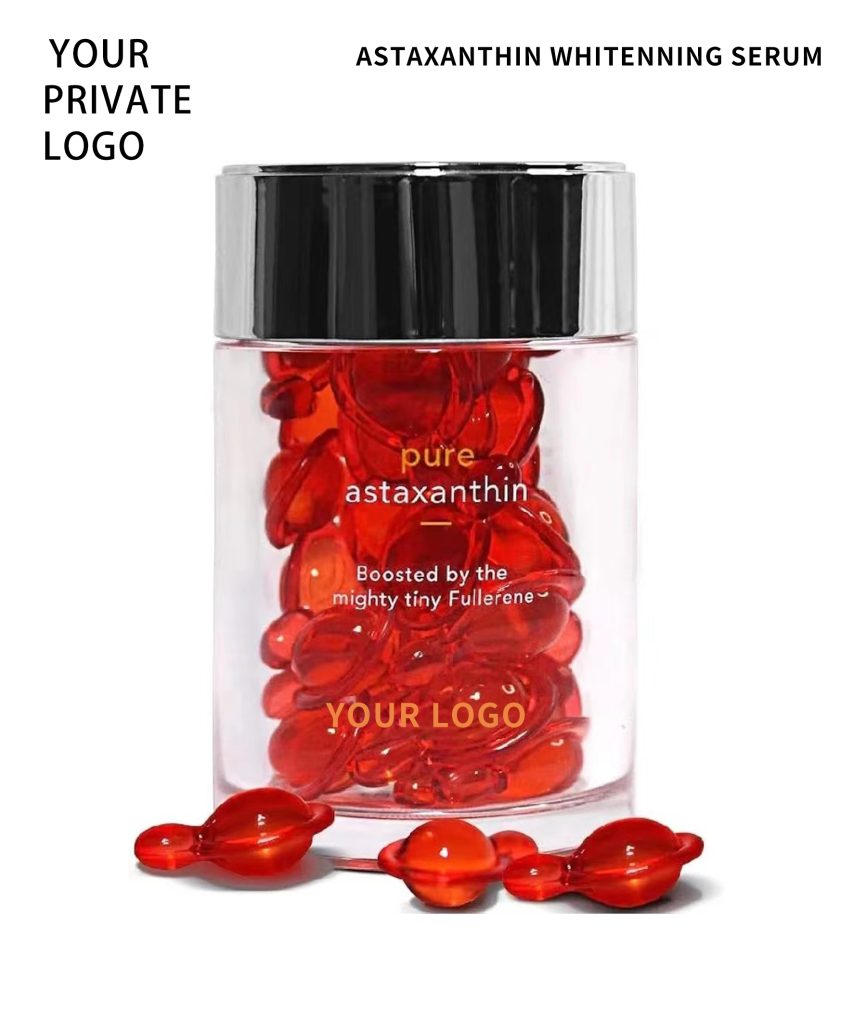
Astaxanthin has become a trending cosmetic ingredient in skin care and supplements due to its powerful antioxidant properties. However, many buyers and consumers wonder whether astaxanthin can actually make the skin appear whiter or brighter. This article explains what the science shows, how brands position products containing this ingredient, and what procurement teams should know before sourcing astaxanthin formulations.
Astaxanthin is a naturally occurring red-orange carotenoid pigment found in microalgae, salmon, krill, and shrimp. In cosmetics, it is often derived from Haematococcus pluvialis algae and incorporated into creams, serums, and oral nutricosmetic products to support skin appearance and resilience.
Scientific evidence does not support that astaxanthin directly bleaches or “whitens” skin. Unlike hydroquinone or other depigmenting agents, astaxanthin does not inhibit melanin production. Instead, it helps the skin look more even-toned and radiant by reducing oxidative stress and uneven pigmentation linked to UV damage.
| Study Topic | Effect Reported | Conclusion |
|---|---|---|
| Skin elasticity (8–12 weeks oral use) | Increased elasticity and moisture | Astaxanthin supports barrier strength |
| UV protection | Reduced skin roughness and redness | Improves overall tone but no whitening |
| Antioxidant markers | Lower oxidative biomarker levels | Visible tone enhancement through less oxidative damage |
Since astaxanthin is highly pigmented and oxidation-prone, sourcing managers should verify quality through:
It may help even tone by reducing oxidative triggers that worsen spots, but it doesn’t chemically lighten melanin deposits.
Yes, it is often paired with niacinamide, vitamin C, or licorice extract for a synergistic brightening effect.
At recommended concentrations, no. Very high levels might give a short-term tint that fades quickly.
Generally yes. It is non-irritating, though sensitivity tests are recommended for new formulations.
Commonly found in oil serums, emulsion creams, sun care, and beauty supplements targeting photo-aging prevention.
Astaxanthin does not make skin whiter, but it plays an important role in promoting a bright, balanced, and resilient complexion. For buyers and brand developers, it’s best positioned as an antioxidant and tone-evening ingredient, supported by credible testing and stability documentation.
With more than 20 years of experience in OEM/ODM/Private Label Cosmetics, I'd love to share valuable knowledge related to cosmetics & skincare products from a top-tier Chinese supplier's perspective.