See the factory by live video walkthrough
Book an on-site factory visit in Guangzhou
For brand owners, “anti-aging serums” are often a top-performing category — but also one surrounded by confusion and skepticism. Do these formulas truly deliver measurable results, or are they just another marketing story? Let’s…
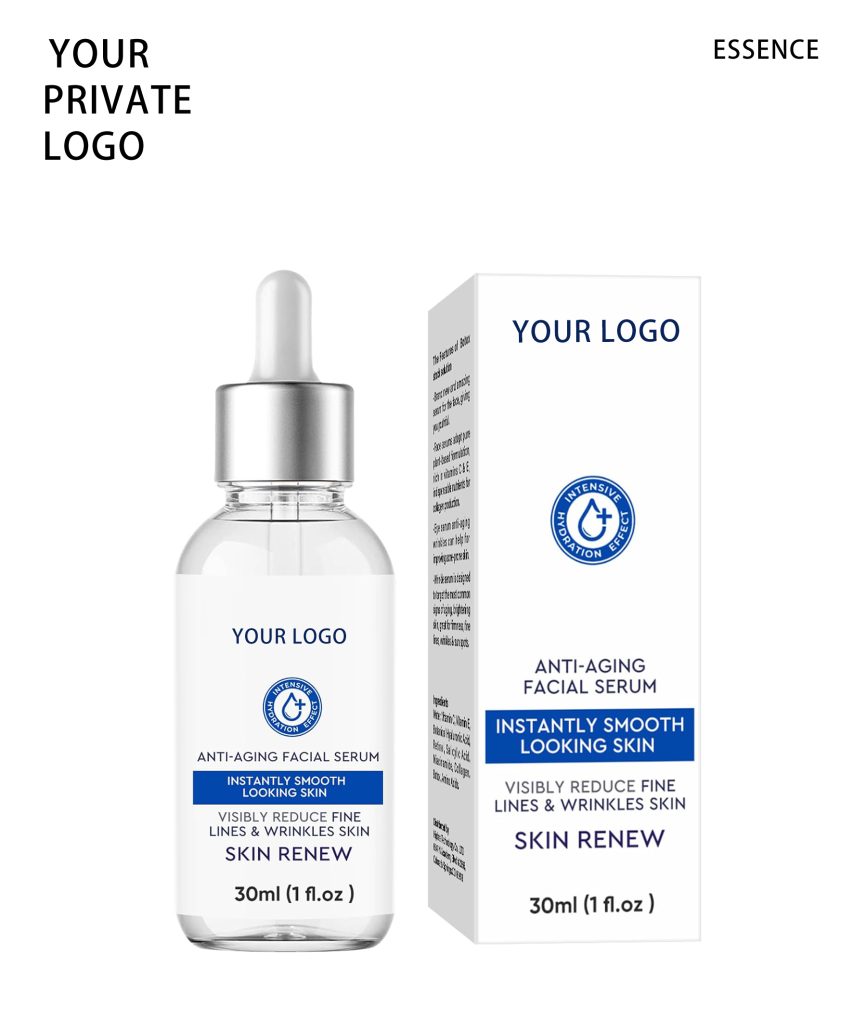
For brand owners, “anti-aging serums” are often a top-performing category — but also one surrounded by confusion and skepticism. Do these formulas truly deliver measurable results, or are they just another marketing story? Let’s separate formulation science from speculation and see what actually makes an anti-aging serum work.
At their core, anti-aging serums aim to support the skin barrier, neutralize oxidative stress, and trigger cell renewal. When formulated and tested correctly, these actions can translate into smoother texture, better hydration, and improved radiance over time.
However, ingredients alone are not the full story. Stability, delivery system, and batch consistency define whether your formulation remains potent by the time the consumer applies it.
To confirm that an anti-aging serum genuinely performs, procurement managers should ask for evidence beyond the marketing brief:
| Evidence Type | Why It Matters | Typical Deliverable |
|---|---|---|
| Stability test data | Confirms ingredient potency and color consistency over time | 6–12 month accelerated + ambient test report |
| Clinical or instrumental study | Demonstrates measurable effect on wrinkle depth or hydration | Before/after images, corneometer or profilometer results |
| Microbiological test | Assures preservative efficacy and product safety | Preservative challenge test report |
| Compatibility notes | Ensures packaging materials do not degrade actives | Container compatibility report |
In LAEYO Labs’ R&D centers, anti-aging formulations are developed using pharmaceutical-grade processes. Dual stability protocols, batch traceability, and ingredient sourcing from international suppliers (such as Basf and French specialty actives) ensure potency and reproducibility. When these steps are integrated with marketing enablement — such as content-ready claim dossiers — brands can confidently back up their anti-aging message with solid data.
Generally, 4–8 weeks of consistent use are required for measurable improvements such as smoother texture or reduced wrinkle depth, depending on ingredient load and skin type.
Not entirely. Serums deliver concentrated actives, while moisturizers seal in hydration and support barrier function. Most regimens need both layers.
Effectiveness depends on formulation design and stability, not just origin. Both natural and synthetic actives can deliver results if tested and properly stabilized.
Performance statements like “reduces wrinkles” or “improves firmness” should be backed by instrumental or dermatological studies to remain compliant in most major markets.
Before pilot production. Compatibility checks prevent oxidation, leakage, or polymer interaction that could destabilize the formula.
Building a credible anti-aging product line means moving from “marketing language” to data-backed narrative. Evaluate your supplier’s documentation and testing depth before approving scale-up.
Request a Quote to review your next anti-aging serum formulation or sampling project today.
With more than 20 years of experience in OEM/ODM/Private Label Cosmetics, I'd love to share valuable knowledge related to cosmetics & skincare products from a top-tier Chinese supplier's perspective.