
See the factory by live video walkthrough
Book an on-site factory visit in Guangzhou
The “30-50-20” rule for essential oils is a blending guideline used in the fragrance, aromatherapy, and cosmetic industries to create balanced, harmonious scent profiles. It refers to proportioning top, middle, and base notes so…
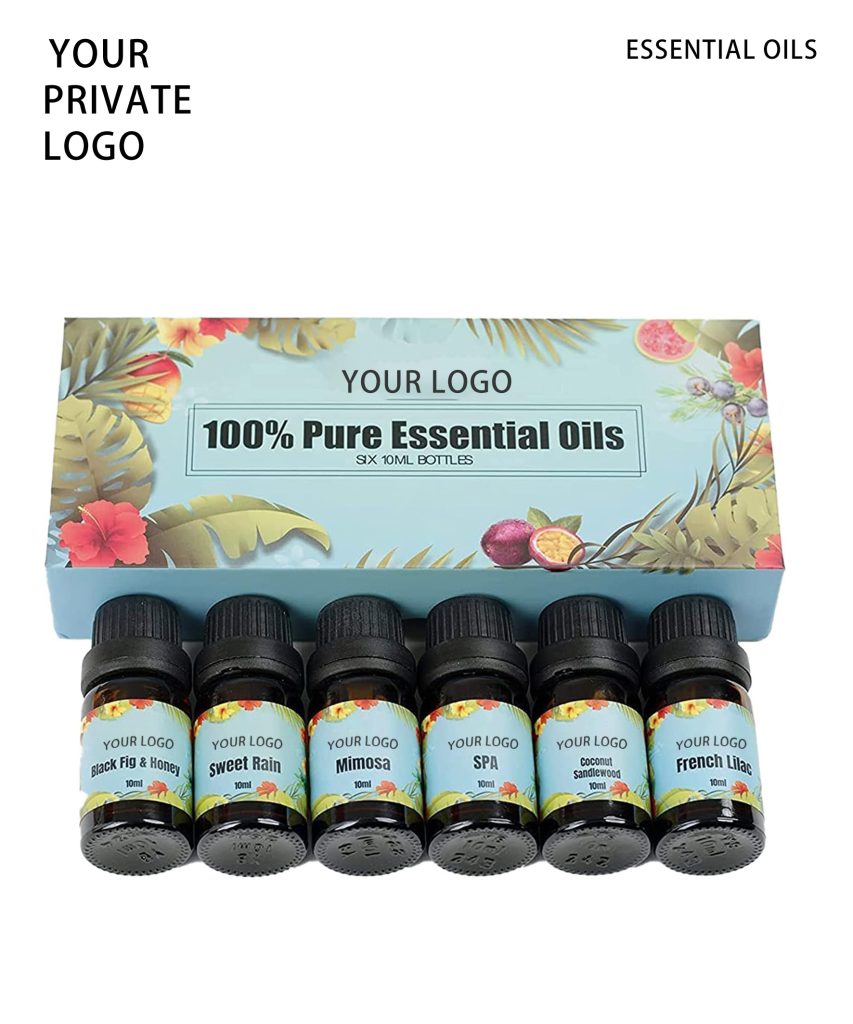
The “30-50-20” rule for essential oils is a blending guideline used in the fragrance, aromatherapy, and cosmetic industries to create balanced, harmonious scent profiles. It refers to proportioning top, middle, and base notes so your final product has the right opening impact, heart character, and longevity. This principle is often applied in product development to ensure that an essential oil blend performs well over time and appeals to the intended customer.
In essential oil blending, each note type plays a distinct role:
The 30-50-20 ratio helps brand owners and formulators ensure blends are not overly dominated by fleeting aromas or heavy, lingering scents. In corporate updates, this rule is often referenced when brands introduce new product lines or when R&D teams share formulation insights.
| Note Type | Role in Blend | Typical Oils | Percentage |
|---|---|---|---|
| Top | Initial impact | Lemon, Bergamot, Peppermint | 30% |
| Middle | Body/Character | Lavender, Geranium, Rosemary | 50% |
| Base | Longevity/Depth | Patchouli, Cedarwood, Vetiver | 20% |
No, it is a starting guideline. Minor adjustments can be made based on product type, market, or consumer feedback.
Yes, many industry blends combine natural and synthetic components, but test for compatibility and safety.
It primarily applies to products where aroma is a key attribute, such as candles, diffusers, perfumes, and certain cosmetics.
Because top notes are more volatile, you need more middle notes to give the blend body, and fewer base notes to avoid overpowering the scent.
Request a Quote to discuss custom essential oil blends that match your brand positioning and performance needs.
With more than 20 years of experience in OEM/ODM/Private Label Cosmetics, I'd love to share valuable knowledge related to cosmetics & skincare products from a top-tier Chinese supplier's perspective.