Call(WhatsApp Us)
+8615360806100Email Us
cherry@laeyo.comTake a Live Video Tour of Our Factory
Book an on-site factory visit in Guangzhou
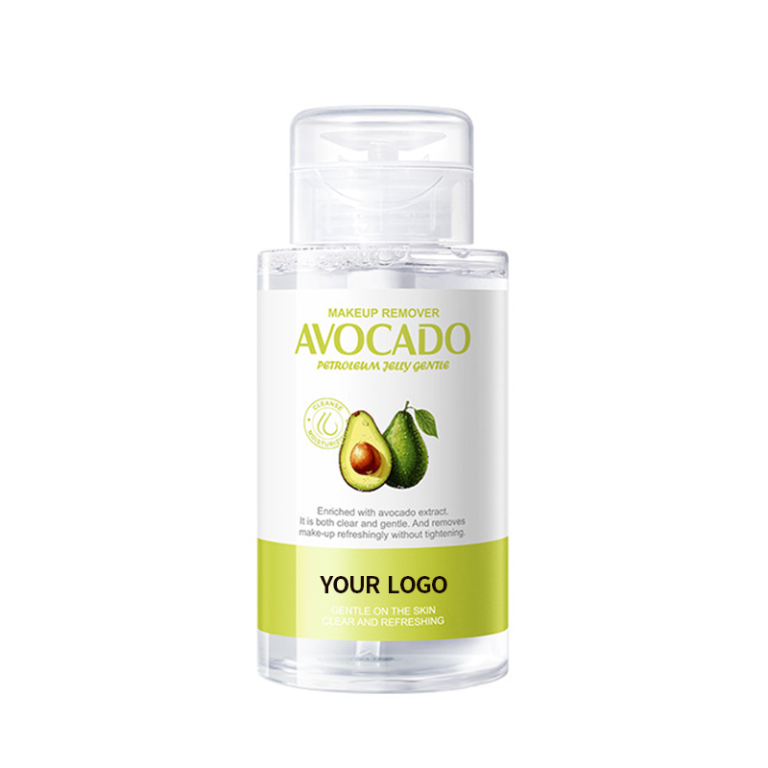
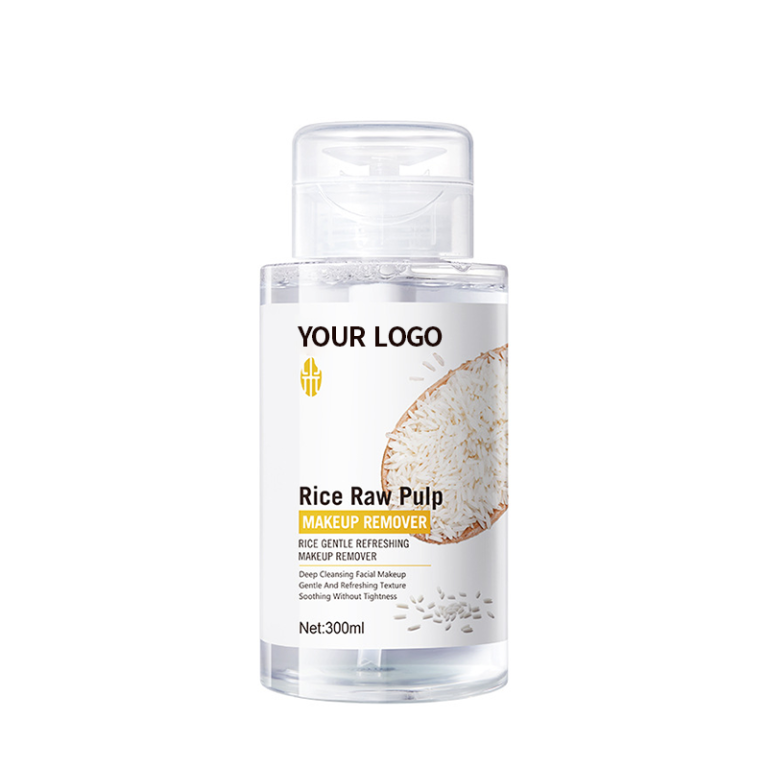
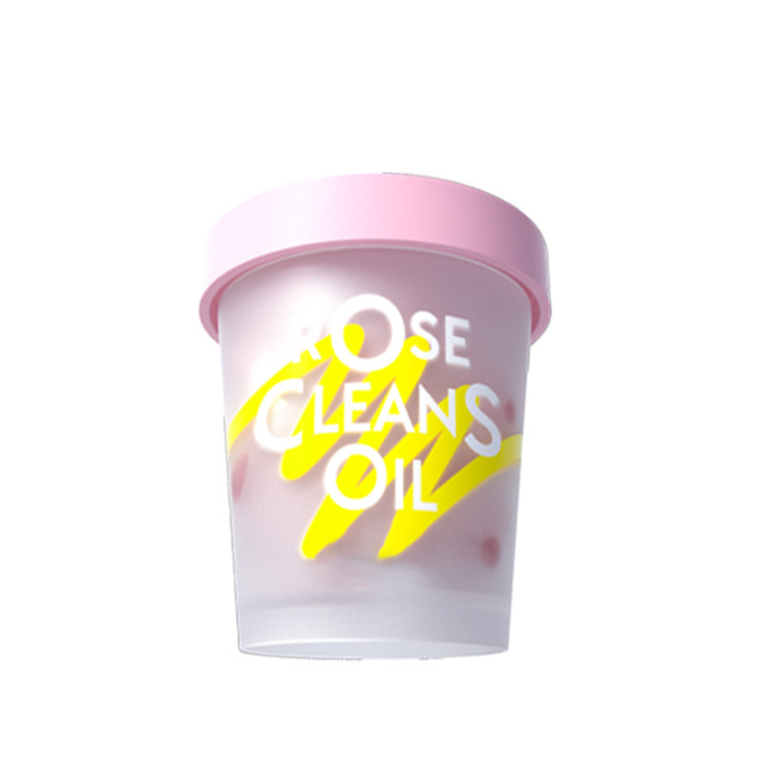
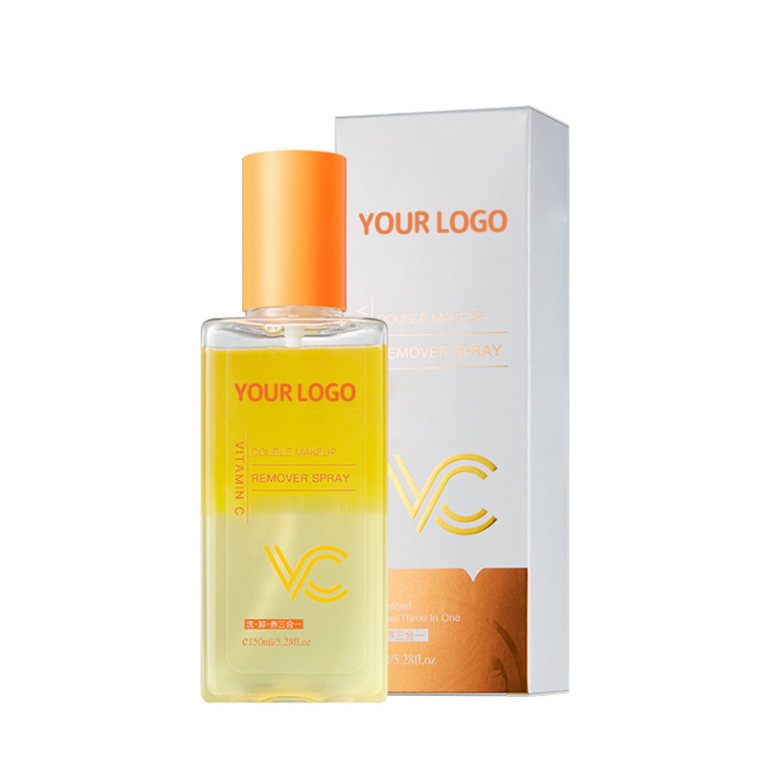
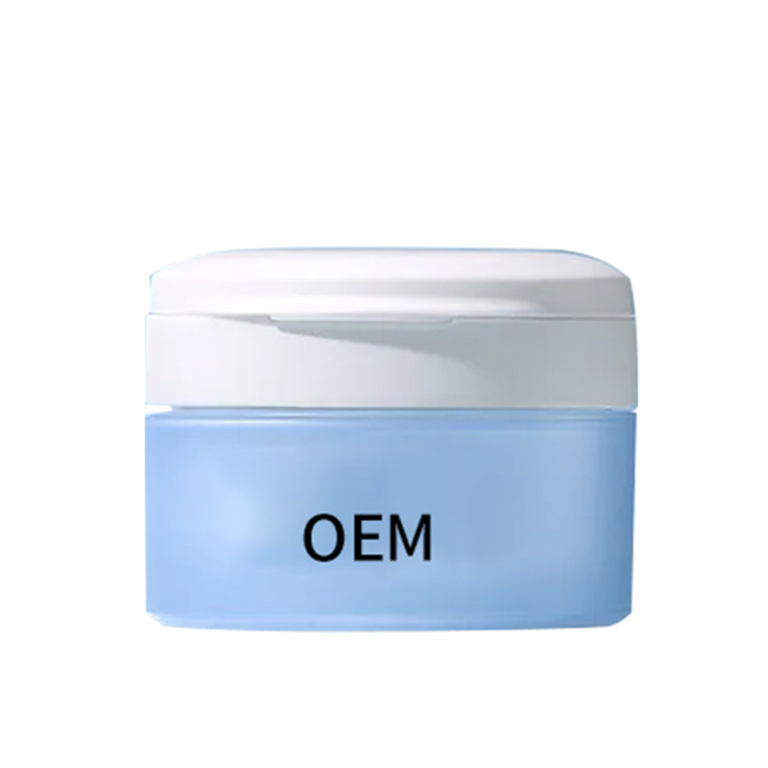
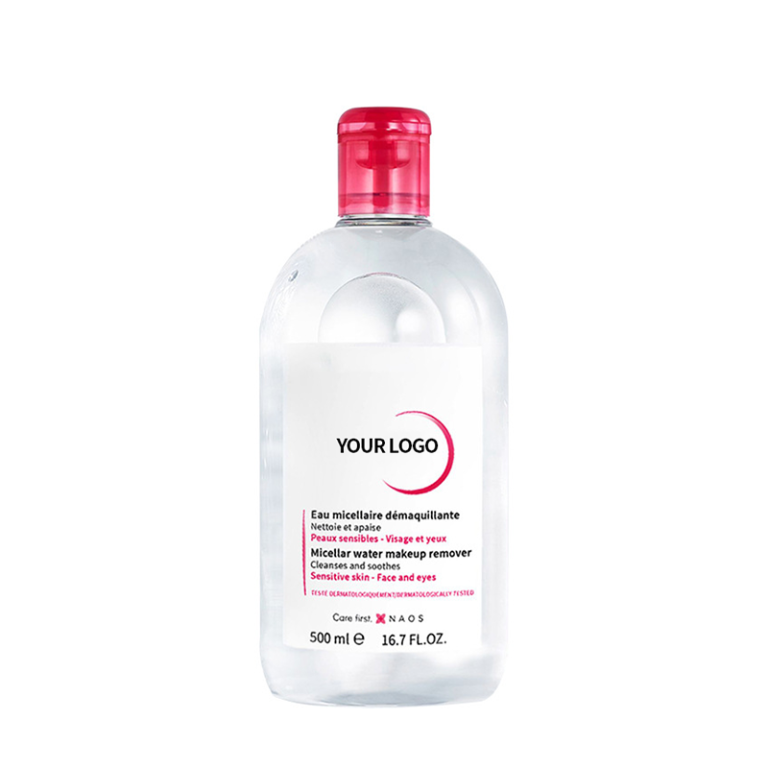
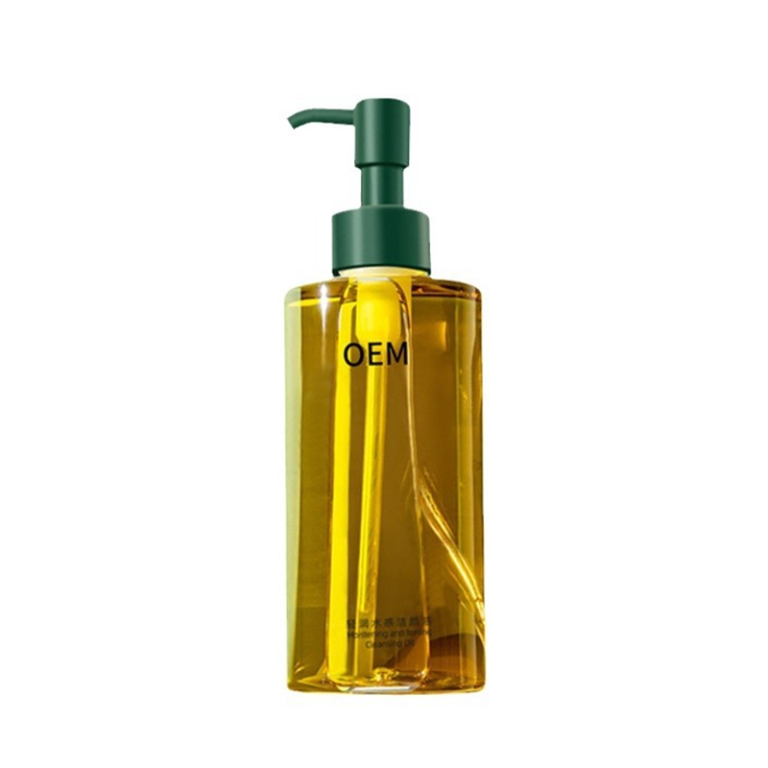
Compare private label makeup remover formats—micellar water, bi-phase remover, cleansing oil, cleansing balm, and wipes. Align waterproof removal strength, after-feel (non-greasy), eye-area mildness, and packaging (bottle, pump, jar, sachets) before sampling.
This category is easier to buy because there are two clear paths: one is high-frequency repeat purchases to drive volume, and the other is premium-priced differentiation with higher margins.
Private-label Makeup Remover customization in various forms, dosages, and types is what Laeyo Company does best.We offer OEM Makeup Remover products in a broad range of formulations, packaging, and ingredients.Also, we have a strong packaging supply chain to provide the widest range of packaging customized services for your Makeup Remover.
Many buyers search by shopping motivations and use-cases. Use this shelf to define your line architecture (hero SKU + variants).
Start with samples that match how you sell. You can choose a single Makeup Remover product line or build a premium Makeup Remover collection. Share your priorities for each Makeup Remover project so we can discuss suitable formulation and packaging options.
We make it easy for you to build your brand by providing a one-stop solution to your private label OEM/ODM production.
risk → MOQ/timeline → margin → performance → packaging/listing → supply support.
If you share the specs below, we can recommend the right base formula routes and component plan — then confirm MOQ and lead time with fewer iterations.
| Spec area | What buyers typically specify | Packaging / component notes | Common pitfalls to avoid |
|---|---|---|---|
| Track and channel | DTC, Amazon FBA, or retail (specify if ULTA/Sephora etc.) | Ensure packaging meets drop-test requirements for e-commerce | Not clarifying if packaging needs to be shelf-ready for retail |
| Target customer and positioning | Luxury, clean beauty, or mass market positioning | Match packaging aesthetics to brand tier (e.g., matte vs. glossy) | Overcomplicating design for mass-market price points |
| Format and texture | Balms, oils, micellar waters, or hybrid formats | Pump vs. dropper vs. jar based on viscosity | Choosing incompatible packaging for formula viscosity |
| Performance and sensory targets | One-step removal, no residue, or specific skin feel | Test with common makeup types (waterproof, longwear) | Not testing with actual makeup products used by customers |
| Scent or fragrance direction | Unscented, natural essence, or signature fragrance | Ensure scent stability in chosen packaging material | Overpowering fragrance in small-format packaging |
| Variant strategy | Single SKU or variants (e.g., sensitive skin version) | Color-code caps/labels for easy variant identification | Creating unnecessary variants that dilute inventory |
| Ingredients to include / avoid | Clean beauty standards, vegan, or specific actives | Verify ingredient compatibility with packaging materials | Not checking for ingredient-package interactions |
| Packaging components and decoration | Pumps, caps, outer boxes, or sustainable materials | Specify finish (matte/gloss) and decoration methods | Last-minute decoration changes that delay production |
| Label copy inputs and required warnings | Brand story, key claims, and mandatory warnings | Ensure space for barcodes and regulatory text | Overcrowding labels with non-essential text |
| Quality expectations and acceptance criteria | Leak testing, texture consistency, or color standards | Define acceptable tolerances for fill levels | Unclear acceptance criteria leading to rejections |
MOQ is a structure, not a single number. The fastest path is usually stock components + staged launch (1–2 hero SKUs).
| Scenario | SKUs | Packaging | Typical MOQ (per SKU) | Typical timeline |
|---|---|---|---|---|
| Pilot launch (fastest) | 1–3 | Stock components | 1,000–3,000 units | 4–6 weeks |
| Amazon-ready | 3–6 | Stock + light customization | 2,000–5,000 units | 6–10 weeks |
| Retail rollout | 6+ | Custom packaging + full plan | 5,000+ units | 10–16+ weeks |
Lead time milestones: formula sample → fragrance match (optional) → packaging mockup → PP sample → mass production.
Packaging and transport risk often drive timeline and landed cost. Align format + component direction early to avoid leakage and fulfillment issues.
Common extensions:Sensitive Skin,Oil-Free,Micellar Water,Travel Size,Balm Cleanser,Dual Phase,Gentle Formula,Makeup Remover Wipes(Confirm feasibility with your channel requirements.)
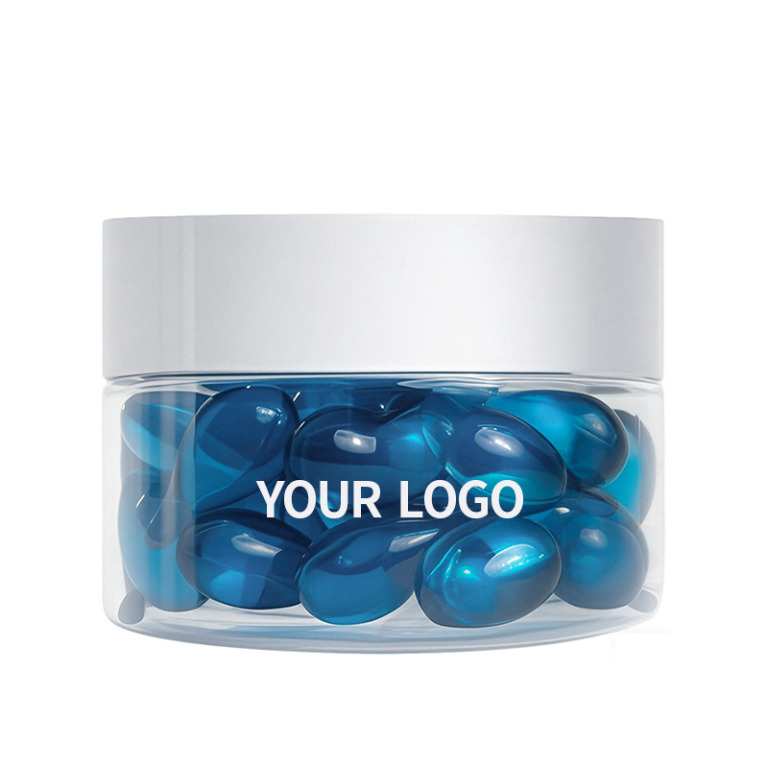
Browse the Makeup Remover sample SKUs below. Compare formats, then tell us which products, finishes, and packaging you want to evaluate.
Each guide answers one question procurement teams typically validate before issuing an RFQ. Use them as quick checklists to scope requirements, compare suppliers consistently, and avoid rework that slows quotes and timelines.
Launching a face serum in three or four sizes feels like giving shoppers choice. In practice, most first launches split one demand pool across formats that cost different amounts to fill, test and doc…
Facial serums are one of the hardest categories to document well. They are leave-on, applied daily to a large surface area, often dosed with a dropper that makes over-application easy, and frequently…
Face serums are one of the hardest packages to ship through Amazon fulfillment. Low-viscosity, high-spreadability bulk puts constant pressure on the closure, the gasket, and the label; air transport a…
A viscosity result outside the approved specification on a face cream batch is a release blocker, not a paperwork nuisance. Viscosity drives how the cream fills, how the jar or pump performs, how the…
A niacinamide serum is one of the easiest products to brief and one of the hardest to differentiate. Every quote you receive will promise “5% niacinamide,” and almost none of them will tel…
A niacinamide serum for the Gulf is rarely rejected at concept stage. It is rejected at sample stage — when a lab sample that looked flawless in a European photo arrives in Riyadh in July, drifts fain…
In Gulf households, the water that reaches the bathroom tap is often not the water used in a supplier’s lab. Higher hardness, higher TDS, and warmer tap temperatures can change how a facial cleanser l…
Most face cream samples get approved in a climate-controlled room at 22 °C and 50% relative humidity — conditions that exist almost nowhere in the Gulf during summer. A cream that reads as “light” and…
Faster sampling if you share market + track + format + packaging direction. Most projects iterate 1–2 rounds before final approval.
Use this checklist to prepare your brief, then send it through the Request a Quote form.
We’ll review your brief and follow up with next steps for formula, packaging, sampling, and production.
Browse answers to common sourcing questions.
Your Saudi importer or notifier needs a complete manufacturer document pack: formula/INCI, GMP and batch COA/SDS, stability and packaging data, Arabic/English label content, and claims support. LAEYO can prepare and coordinate testing; the importer remains responsible for SFDA notification and import approval.
Design bilingual Arabic-English skincare labels for UAE and Saudi retail by fixing the Arabic front panel, INCI, PAO, importer details, and SFDA/GSO-aligned artwork before sampling. Lock label size and adhesive early, then approve a printed proof on the actual bottle.
Any water-containing facial cream sold in the EU needs a preservative challenge test (ISO 11930) before launch, and again after any formula, packaging, or supplier change. Preservative boosters reduce preservative load but never replace the test.
Review the report against the exact formula and pack combination: mass change, liner and closure compatibility, torque and dose rate, leakage simulation, and label adhesion after humid aging. Confirm the methods, the lab, and the supporting EU documents before you sign off.
For UK/EU leave-on skincare, we select preservatives by screening Annex V limits, pH, packaging, and compatibility, then confirm with an ISO 11930 challenge test on the final formula. We support documentation and testing, but final regulatory sign-off stays with your responsible person.
We manage retinol stability through encapsulation, antioxidants, and light-blocking packaging, while reducing irritation with low-concentration formulas and soothing ingredients. For UK compliance, we support stability testing and documentation like PIFs.
Typical MOQ drivers for UK private label skincare include formula complexity, packaging customization, and decoration techniques, impacting production costs and minimum order quantities.
The most common pitfalls in the UK market are packaging leakage and formula instability, often from pump failures or consumer reactions, leading to high returns. We help mitigate these through rigorous testing and compliance support.
For skincare to the UK, sea freight with temperature-controlled containers is best for bulk shipments to reduce leakage and temperature risk. For urgent orders, use air freight with enhanced packaging, and we support all compliance testing and documentation.
We formulate eye cream to minimize sting and improve tolerance by using gentle ingredients, avoiding irritants, and conducting thorough skin compatibility testing. This includes pH optimization and rigorous QA checks for UK market compliance.
Tell us your target market, sales channel, product format, and packaging preferences.