Call(WhatsApp Us)
+8615360806100Email Us
cherry@laeyo.comTake a Live Video Tour of Our Factory
Book an on-site factory visit in Guangzhou
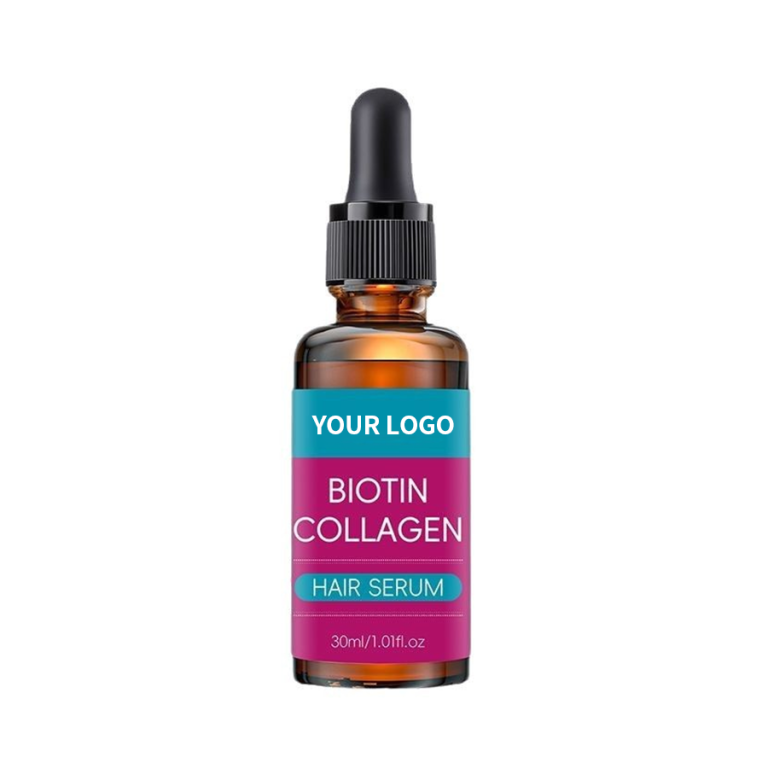
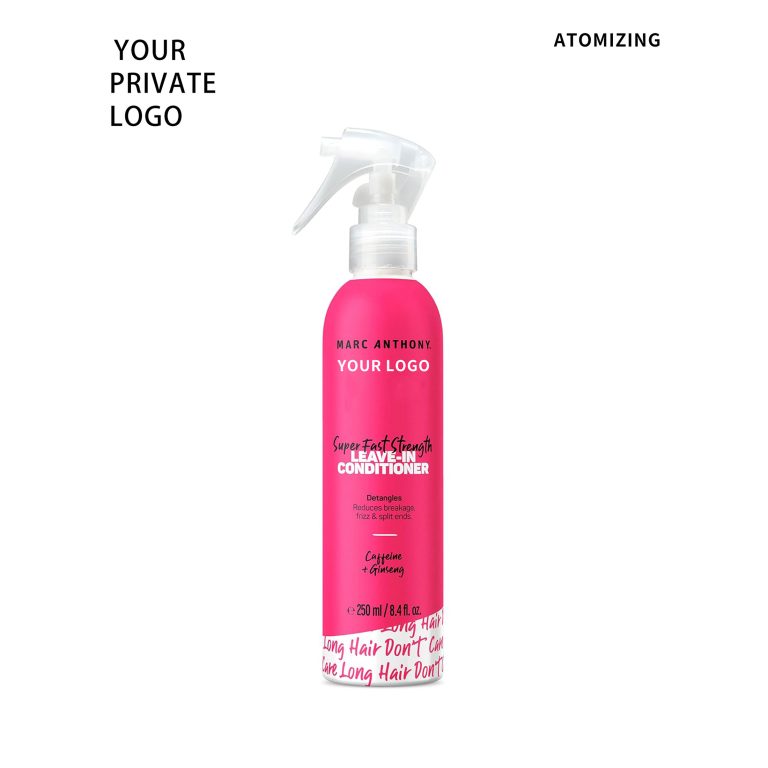
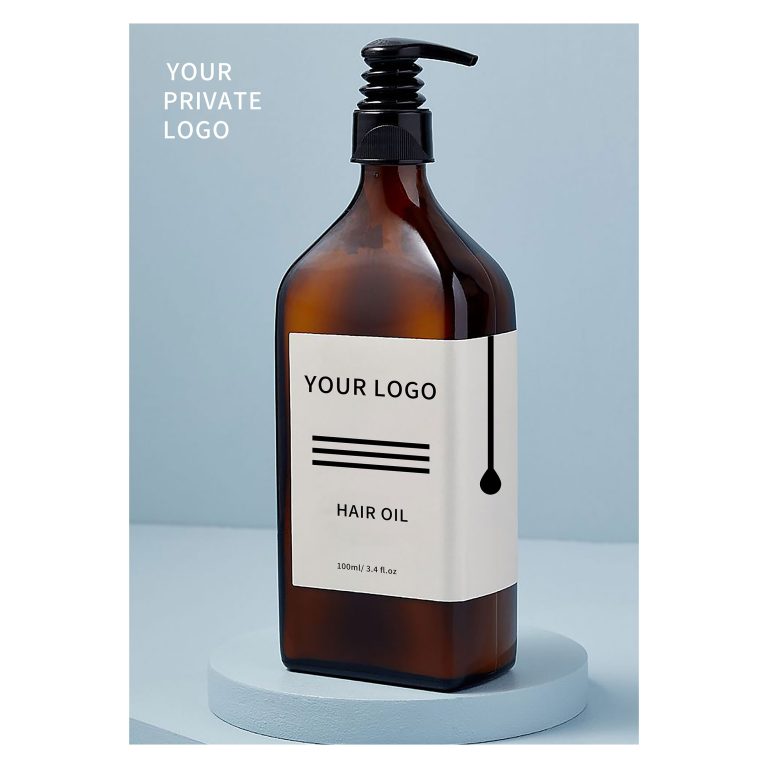
Compare private label hair serum options by use case—anti-frizz smoothing, shine/heat protection, and scalp serums for thinning or oily scalp. Align texture/finish (non-greasy, silicone vs silicone-free), routine placement (wet vs dry hair), and packaging direction (dropper, pump, spray) before sampling.
This category is easier to buy because there are two clear paths: one is high-frequency repeat purchases to drive volume, and the other is premium-priced differentiation with higher margins.
Private-label Hair Serum customization in various forms, dosages, and types is what Laeyo Company does best.We offer OEM Hair Serum products in a broad range of formulations, packaging, and ingredients.Also, we have a strong packaging supply chain to provide the widest range of packaging customized services for your Hair Serum.
Many buyers search by shopping motivations and use-cases. Use this shelf to define your line architecture (hero SKU + variants).
Start with samples that match how you sell. You can choose a single Hair Serum product line or build a premium Hair Serum collection. Share your priorities for each Hair Serum project so we can discuss suitable formulation and packaging options.
We make it easy for you to build your brand by providing a one-stop solution to your private label OEM/ODM production.
risk → MOQ/timeline → margin → performance → packaging/listing → supply support.
If you share the specs below, we can recommend the right base formula routes and component plan — then confirm MOQ and lead time with fewer iterations.
| Spec area | What buyers typically specify | Packaging / component notes | Common pitfalls to avoid |
|---|---|---|---|
| Track and channel | DTC, Amazon FBA, or retail (Ulta/Sephora) | Ensure packaging meets drop-test requirements for e-commerce | Assuming one packaging fits all channels |
| Target customer and positioning | Luxury, clean beauty, or mass market | Match packaging aesthetics to price point | Overcomplicating the product story |
| Format and texture | Lightweight serum vs. thicker oil | Dropper vs. spray vs. pump for application | Choosing incompatible textures for packaging |
| Performance and sensory targets | Non-greasy, quick absorption, shine boost | Consider packaging that prevents oxidation | Overpromising results without testing |
| Scent or fragrance direction | Unscented, natural essential oils, or signature scent | Ensure packaging preserves fragrance integrity | Underestimating scent migration risks |
| Variant strategy | Single hero SKU or multiple benefit-focused variants | Standardize components across variants | Creating unnecessary SKU complexity |
| Ingredients to include / avoid | Argan oil, keratin, biotin; sulfates, parabens | Verify ingredient compatibility with packaging | Last-minute formula changes |
| Packaging components and decoration | Glass bottle, dropper, sleeve, box | Confirm decoration method (silkscreen, label) | Underestimating lead times for custom components |
| Label copy inputs and required warnings | Key claims, directions, allergen statements | Ensure space for mandatory retail compliance text | Missing required warning statements |
| Quality expectations and acceptance criteria | Leak tests, viscosity range, color consistency | Define acceptable defect rates upfront | Vague quality standards |
MOQ is a structure, not a single number. The fastest path is usually stock components + staged launch (1–2 hero SKUs).
| Scenario | SKUs | Packaging | Typical MOQ (per SKU) | Typical timeline |
|---|---|---|---|---|
| Pilot launch (fastest) | 1–3 | Stock components | 1,000–3,000 units | 4–6 weeks |
| Amazon-ready | 3–6 | Stock + light customization | 2,000–5,000 units | 6–10 weeks |
| Retail rollout | 6+ | Custom packaging + full plan | 5,000+ units | 10–16+ weeks |
Lead time milestones: formula sample → fragrance match (optional) → packaging mockup → PP sample → mass production.
Packaging and transport risk often drive timeline and landed cost. Align format + component direction early to avoid leakage and fulfillment issues.
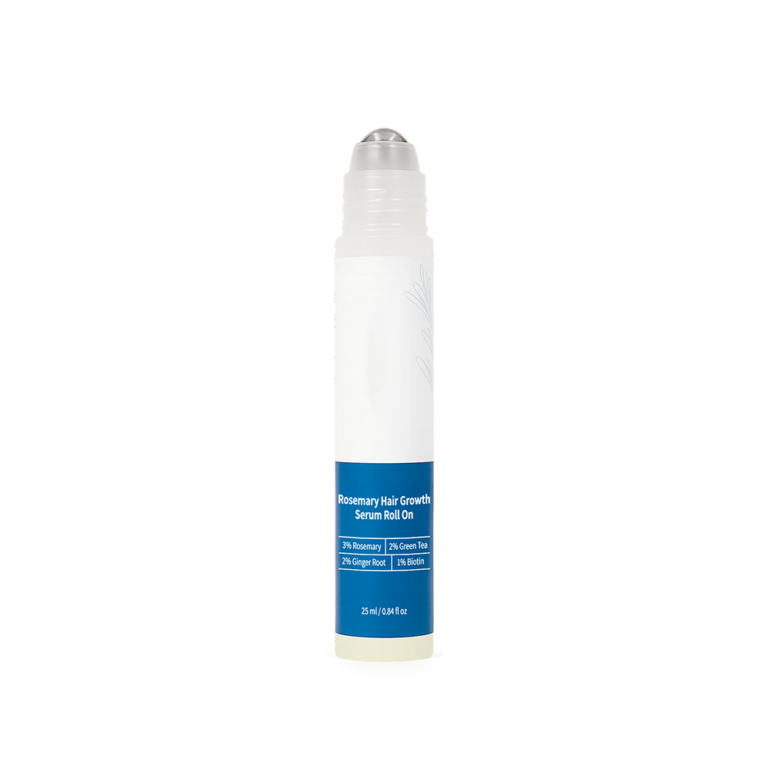
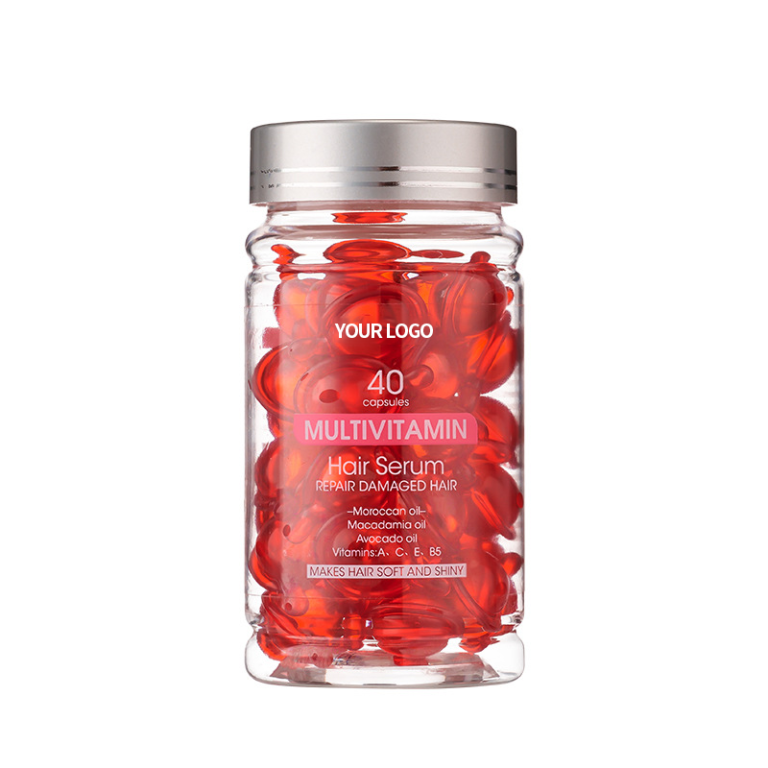
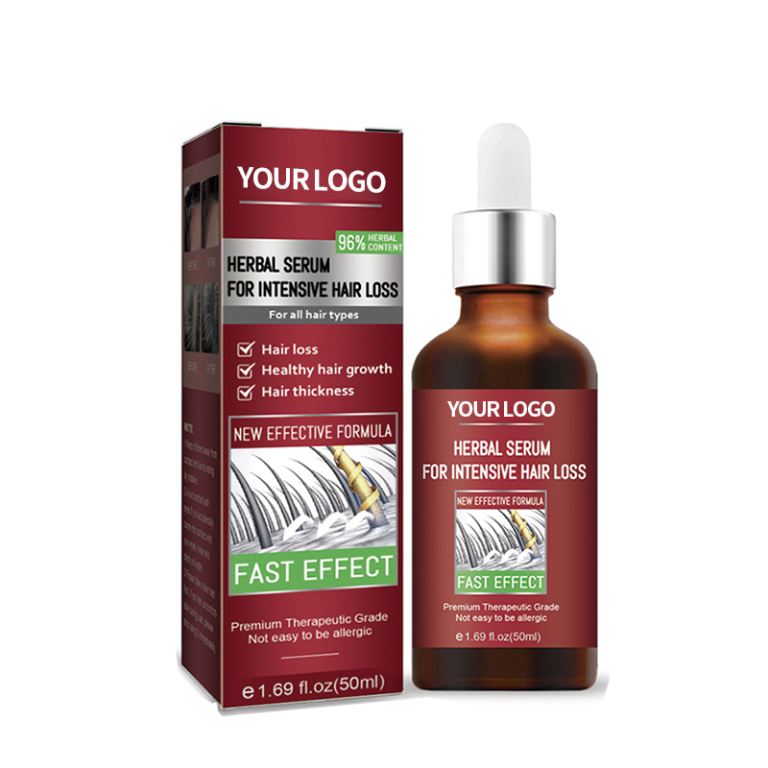
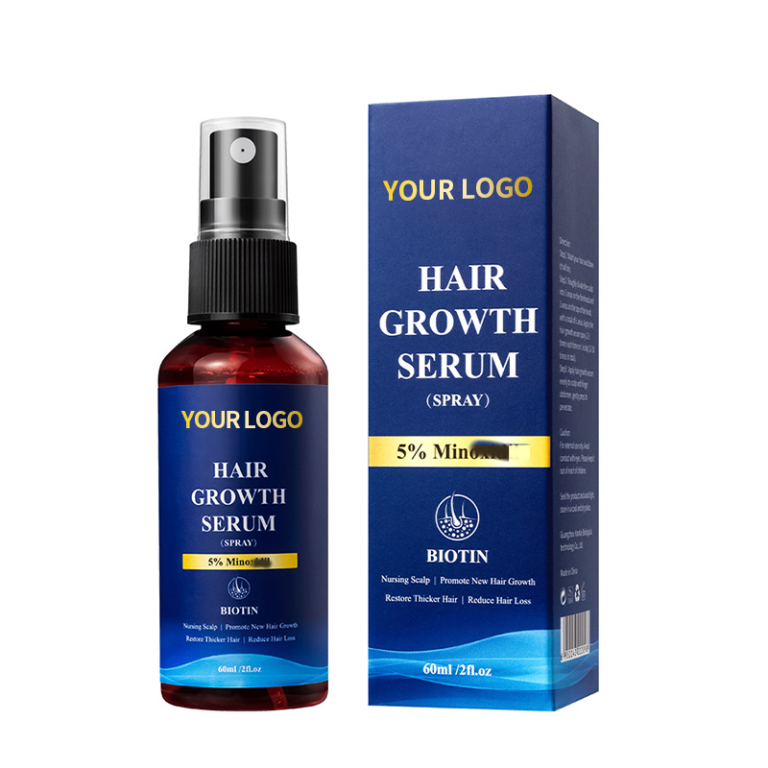
Common extensions:Split End Repair,Heat Protection,Leave-In Treatment,Travel Size,Scalp Care,Lightweight Formula,Hair Growth Support,Oily Hair Control(Confirm feasibility with your channel requirements.)
Browse the Hair Serum sample SKUs below. Compare formats, then tell us which products, finishes, and packaging you want to evaluate.
Each guide answers one question procurement teams typically validate before issuing an RFQ. Use them as quick checklists to scope requirements, compare suppliers consistently, and avoid rework that slows quotes and timelines.
In the crowded hair repair market, every brand tells a story. But that story begins long before marketing—it starts with the ingredient you choose as your hero. Proteins, peptides, and amino acids all…
When developing a private‑label keratin hair mask, the difference between a best‑seller and a disappointing launch often comes down to four performance details that consumers feel instantly: slip, bre…
A leave-in conditioner isn’t just a diluted rinse-off formula—it’s a delicate balance of film-formers, conditioning agents, and heat-activated protectants that must stay on hair without weighing it do…
When bringing a private label heat protectant spray to market, success hinges on three critical pillars: verifiable claim testing, the right film-forming technology, and packaging that delivers reliab…
Crafting a color-safe shampoo that delivers gentle cleansing, true fade protection, and salon-grade results requires more than swapping out harsh detergents. It’s a careful balance of mild surfactants…
Developing a purple shampoo or mask that truly corrects brassiness without turning hair violet, bleeding onto towels, or fading unevenly is a challenge every brand faces. This guide walks you through…
Hard water is a silent saboteur of great hair days. With over 85% of U.S. homes dealing with calcium, magnesium, and iron deposits in their tap water, mineral buildup on hair is practically a national…
The curly hair market is experiencing unprecedented growth as consumers increasingly embrace their natural texture. For retailers and salon owners, this creates a prime opportunity to launch a private…
Faster sampling if you share market + track + format + packaging direction. Most projects iterate 1–2 rounds before final approval.
Use this checklist to prepare your brief, then send it through the Request a Quote form.
We’ll review your brief and follow up with next steps for formula, packaging, sampling, and production.
Browse answers to common sourcing questions.
Set a documented shelf life and PAO for each hair mask SKU, confirm via stability and compatibility testing, and run FEFO stock rotation with batch codes. For Middle East heat and humidity, validate packaging and transport conditions before locking Amazon replenishment.
For GCC hair care, launch one hero SKU first, prove demand and shelf fit, then add routine steps. A full routine multiplies MOQ, artwork, testing and cash exposure before you validate the first sell-through.
Fragrance-free shampoo still carries base odor from surfactants, preservatives, and conditioning agents. Control it by screening raw materials, running base-only panels at target pH and viscosity, and validating packaging compatibility before scale-up.
Private label hair oil stays light on fine, wavy and coily hair when the base uses low-viscosity, dry-touch emollients and a metered pump. Here is how we sample, test and scale it for the US market.
We ensure batch-to-batch fragrance consistency in EU hair care by using compliant fragrance oils, rigorous testing like GC-MS, and controlled production processes. This includes documentation support for EU regulations.
Audit viscosity control,microbial testing,and filling accuracy during hair care production and filling for EU compliance.We support documentation and testing.
To formulate a hair mask that feels rich but rinses clean without buildup, we balance emollients with rinsing agents and ensure EU compliance. Provide details for specific MOQ, sampling, and testing support.
We formulate sulfate-free shampoos by using mild surfactants like cocamidopropyl betaine and adding chelators for hard water, ensuring effective cleaning and foaming while supporting EU compliance documentation.
For hair care cosmetics marketed in the EU, check permitted preservatives and their conditions of use in the current Annex V to Regulation (EC) No 1223/2009, then assess the finished formula and packaging; Annex VI concerns UV filters, not the preservative list.
For EU hair care, stability testing typically includes accelerated and real-time studies to ensure product safety and efficacy under various storage and shipping conditions.
Tell us your target market, sales channel, product format, and packaging preferences.