Call(WhatsApp Us)
+8615360806100Email Us
cherry@laeyo.comTake a Live Video Tour of Our Factory
Book an on-site factory visit in Guangzhou
Compare private label hair oil options by finish and use—leave-in shine, anti-frizz, heat protection, or scalp oiling. Align weight (light vs rich), scent direction, and packaging direction (dropper, pump, glass vs PET) before sampling.
This category is easier to buy because there are two clear paths: one is high-frequency repeat purchases to drive volume, and the other is premium-priced differentiation with higher margins.
Private-label Hair Oil customization in various forms, dosages, and types is what Laeyo Company does best.We offer OEM Hair Oil products in a broad range of formulations, packaging, and ingredients.Also, we have a strong packaging supply chain to provide the widest range of packaging customized services for your Hair Oil.
Many buyers search by shopping motivations and use-cases. Use this shelf to define your line architecture (hero SKU + variants).
Start with samples that match how you sell. You can choose a single Hair Oil product line or build a premium Hair Oil collection. Share your priorities for each Hair Oil project so we can discuss suitable formulation and packaging options.
We make it easy for you to build your brand by providing a one-stop solution to your private label OEM/ODM production.
risk → MOQ/timeline → margin → performance → packaging/listing → supply support.
If you share the specs below, we can recommend the right base formula routes and component plan — then confirm MOQ and lead time with fewer iterations.
| Spec area | What buyers typically specify | Packaging / component notes | Common pitfalls to avoid |
|---|---|---|---|
| Track and channel | DTC, Amazon FBA, or retail (Ulta/Sephora) | Ensure packaging meets channel-specific drop test requirements | Assuming one packaging fits all channels |
| Target customer and positioning | Luxury, natural, or budget-conscious segment | Match packaging aesthetics to brand tier | Vague positioning that delays design decisions |
| Format and texture | Lightweight dry oil vs. rich treatment oil | Pump vs. dropper based on viscosity | Not testing viscosity with final packaging |
| Performance and sensory targets | Frizz control, heat protection, shine level | Non-greasy finish requirements | Overpromising performance without testing |
| Scent or fragrance direction | Unscented, essential oil blend, or signature fragrance | Fragrance stability in clear bottles | Last-minute scent changes affecting stability |
| Variant strategy | Single hero SKU or multiple formulas (e.g., fine/thick hair) | Color-coding for variant differentiation | Too many variants increasing MOQs |
| Ingredients to include / avoid | Key actives (argan, macadamia) or allergen-free | Ingredient-specific packaging needs | Not disclosing ingredient sensitivities early |
| Packaging components and decoration | Glass bottle, pump type, label material | Child-resistant caps for certain channels | Underestimating decoration lead times |
| Label copy inputs and required warnings | Brand story, key benefits, usage directions | Space allocation for regulatory text | Last-minute copy changes delaying approvals |
| Quality expectations and acceptance criteria | Leak test %, fragrance consistency | Batch-to-batch color variation limits | Not defining measurable quality benchmarks |
MOQ is a structure, not a single number. The fastest path is usually stock components + staged launch (1–2 hero SKUs).
| Scenario | SKUs | Packaging | Typical MOQ (per SKU) | Typical timeline |
|---|---|---|---|---|
| Pilot launch (fastest) | 1–3 | Stock components | 1,000–3,000 units | 4–6 weeks |
| Amazon-ready | 3–6 | Stock + light customization | 2,000–5,000 units | 6–10 weeks |
| Retail rollout | 6+ | Custom packaging + full plan | 5,000+ units | 10–16+ weeks |
Lead time milestones: formula sample → fragrance match (optional) → packaging mockup → PP sample → mass production.
Packaging and transport risk often drive timeline and landed cost. Align format + component direction early to avoid leakage and fulfillment issues.
Common extensions:Dry Hair,Frizz Control,Heat Protection,Split End Care,Travel Size,Organic,Lightweight,Gift Sets(Confirm feasibility with your channel requirements.)
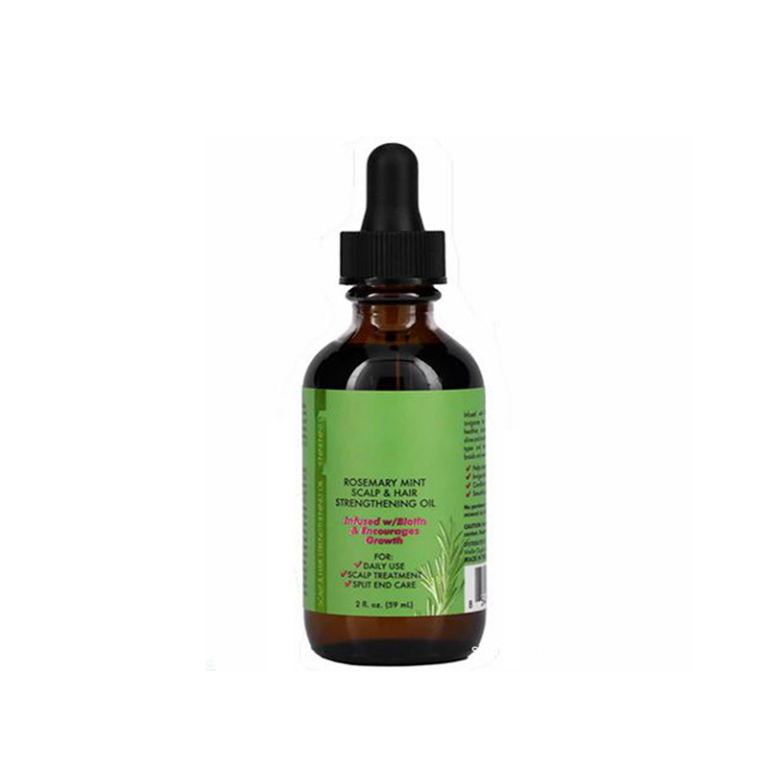
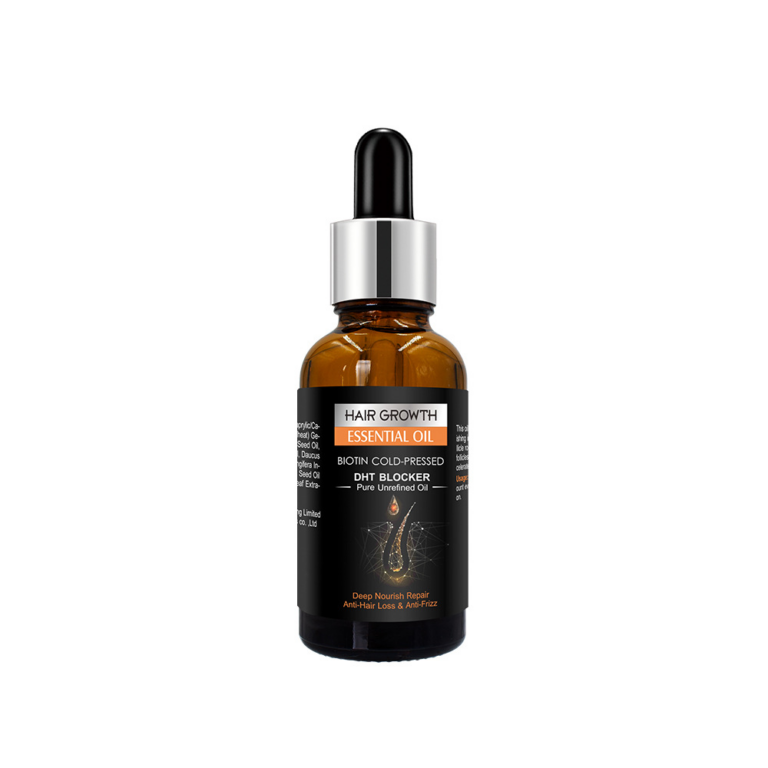
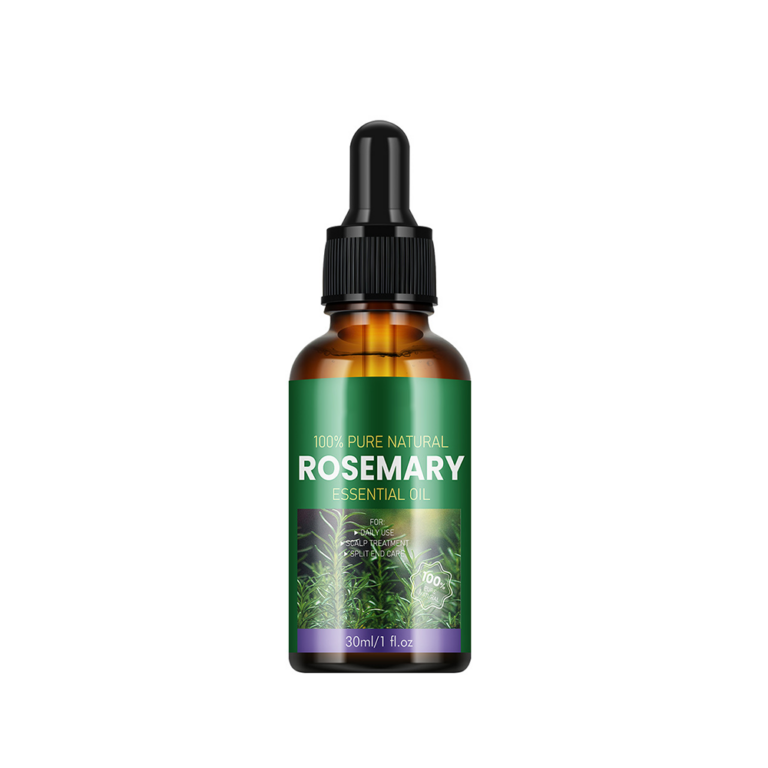
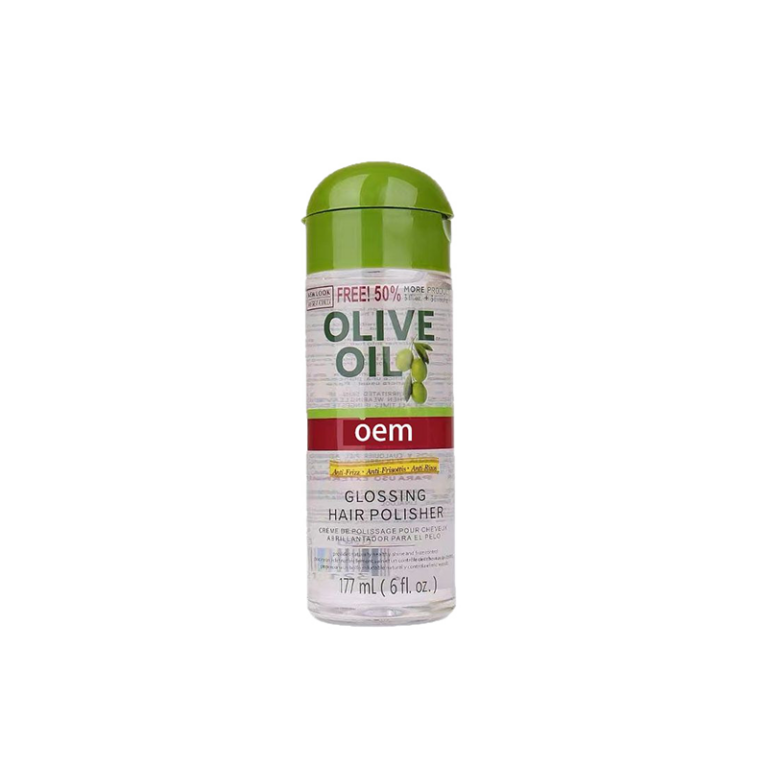
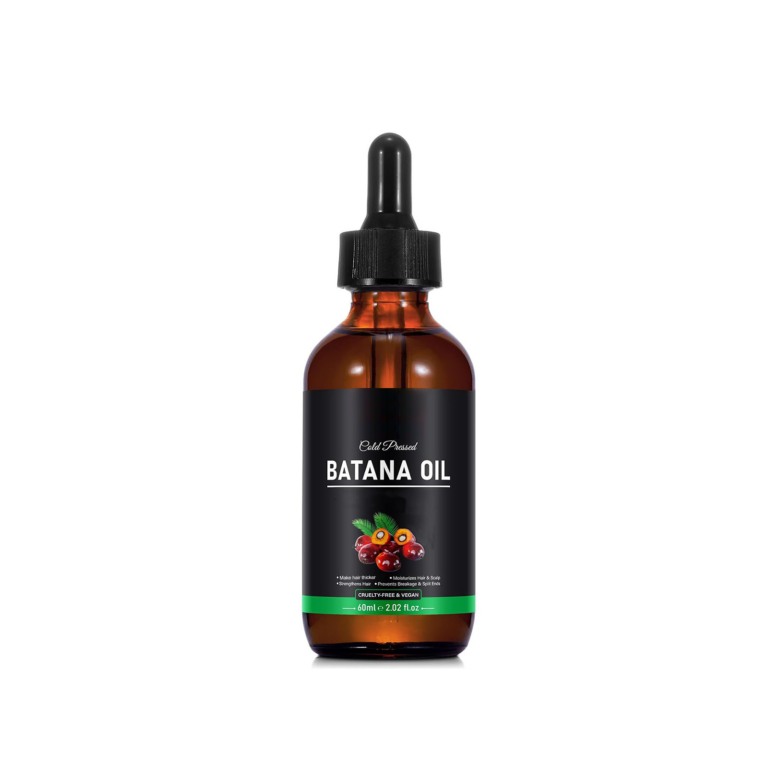
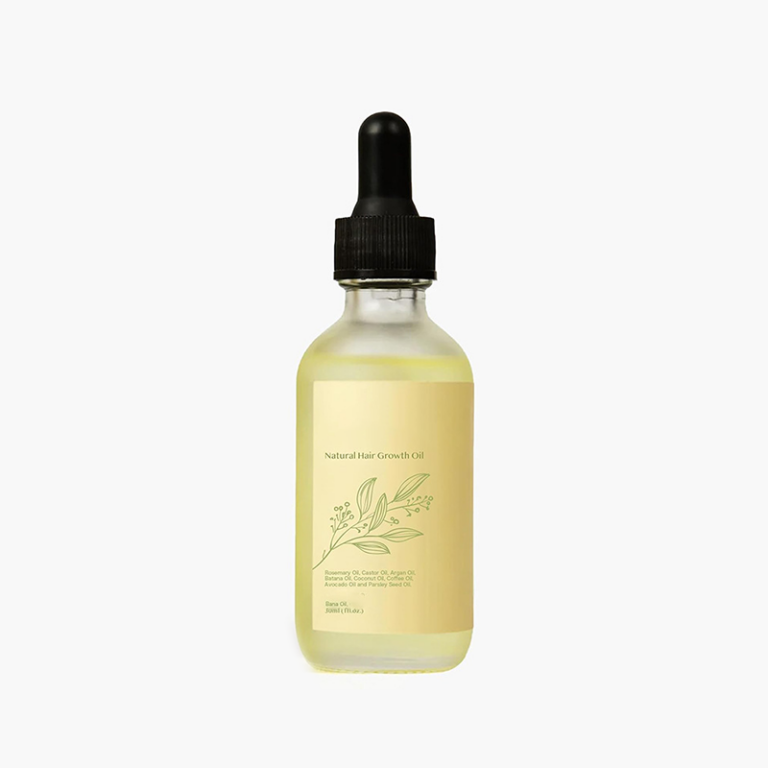
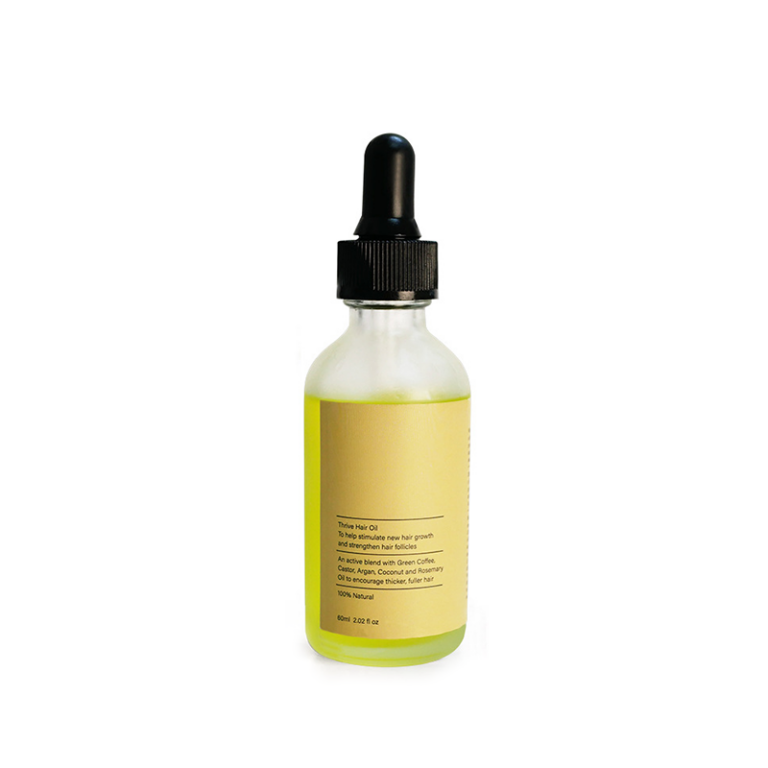
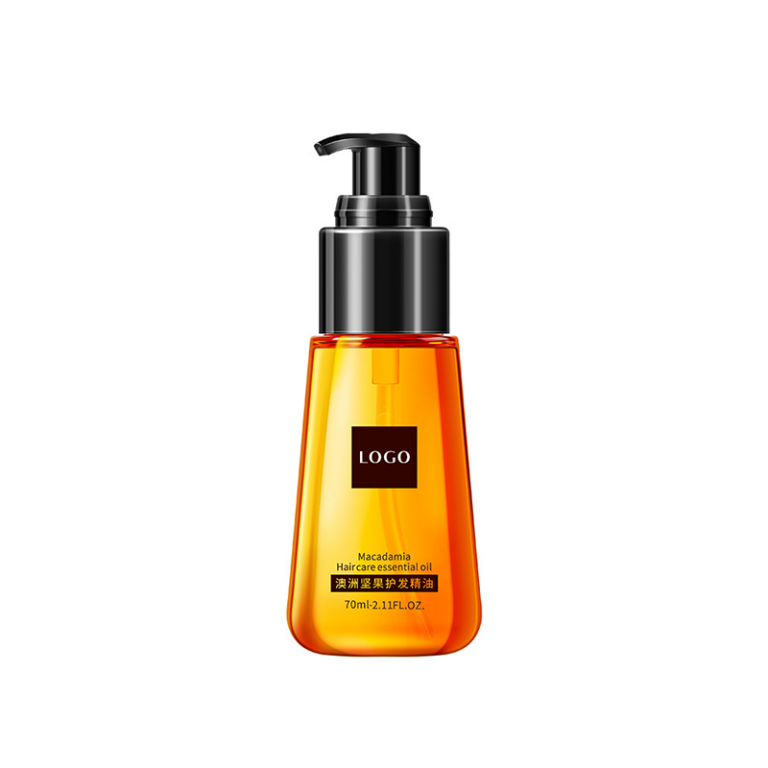
Browse the Hair Oil sample SKUs below. Compare formats, then tell us which products, finishes, and packaging you want to evaluate.
Each guide answers one question procurement teams typically validate before issuing an RFQ. Use them as quick checklists to scope requirements, compare suppliers consistently, and avoid rework that slows quotes and timelines.
In the crowded hair repair market, every brand tells a story. But that story begins long before marketing—it starts with the ingredient you choose as your hero. Proteins, peptides, and amino acids all…
When developing a private‑label keratin hair mask, the difference between a best‑seller and a disappointing launch often comes down to four performance details that consumers feel instantly: slip, bre…
A leave-in conditioner isn’t just a diluted rinse-off formula—it’s a delicate balance of film-formers, conditioning agents, and heat-activated protectants that must stay on hair without weighing it do…
When bringing a private label heat protectant spray to market, success hinges on three critical pillars: verifiable claim testing, the right film-forming technology, and packaging that delivers reliab…
Crafting a color-safe shampoo that delivers gentle cleansing, true fade protection, and salon-grade results requires more than swapping out harsh detergents. It’s a careful balance of mild surfactants…
Developing a purple shampoo or mask that truly corrects brassiness without turning hair violet, bleeding onto towels, or fading unevenly is a challenge every brand faces. This guide walks you through…
Hard water is a silent saboteur of great hair days. With over 85% of U.S. homes dealing with calcium, magnesium, and iron deposits in their tap water, mineral buildup on hair is practically a national…
The curly hair market is experiencing unprecedented growth as consumers increasingly embrace their natural texture. For retailers and salon owners, this creates a prime opportunity to launch a private…
Faster sampling if you share market + track + format + packaging direction. Most projects iterate 1–2 rounds before final approval.
Use this checklist to prepare your brief, then send it through the Request a Quote form.
We’ll review your brief and follow up with next steps for formula, packaging, sampling, and production.
Browse answers to common sourcing questions.
Set a documented shelf life and PAO for each hair mask SKU, confirm via stability and compatibility testing, and run FEFO stock rotation with batch codes. For Middle East heat and humidity, validate packaging and transport conditions before locking Amazon replenishment.
For GCC hair care, launch one hero SKU first, prove demand and shelf fit, then add routine steps. A full routine multiplies MOQ, artwork, testing and cash exposure before you validate the first sell-through.
Fragrance-free shampoo still carries base odor from surfactants, preservatives, and conditioning agents. Control it by screening raw materials, running base-only panels at target pH and viscosity, and validating packaging compatibility before scale-up.
Private label hair oil stays light on fine, wavy and coily hair when the base uses low-viscosity, dry-touch emollients and a metered pump. Here is how we sample, test and scale it for the US market.
We ensure batch-to-batch fragrance consistency in EU hair care by using compliant fragrance oils, rigorous testing like GC-MS, and controlled production processes. This includes documentation support for EU regulations.
Audit viscosity control,microbial testing,and filling accuracy during hair care production and filling for EU compliance.We support documentation and testing.
To formulate a hair mask that feels rich but rinses clean without buildup, we balance emollients with rinsing agents and ensure EU compliance. Provide details for specific MOQ, sampling, and testing support.
We formulate sulfate-free shampoos by using mild surfactants like cocamidopropyl betaine and adding chelators for hard water, ensuring effective cleaning and foaming while supporting EU compliance documentation.
For hair care cosmetics marketed in the EU, check permitted preservatives and their conditions of use in the current Annex V to Regulation (EC) No 1223/2009, then assess the finished formula and packaging; Annex VI concerns UV filters, not the preservative list.
For EU hair care, stability testing typically includes accelerated and real-time studies to ensure product safety and efficacy under various storage and shipping conditions.
Tell us your target market, sales channel, product format, and packaging preferences.